PlayBattleSquare In Video Games: The Complete 2026 Guide To Mechanics, Strategy, And Design
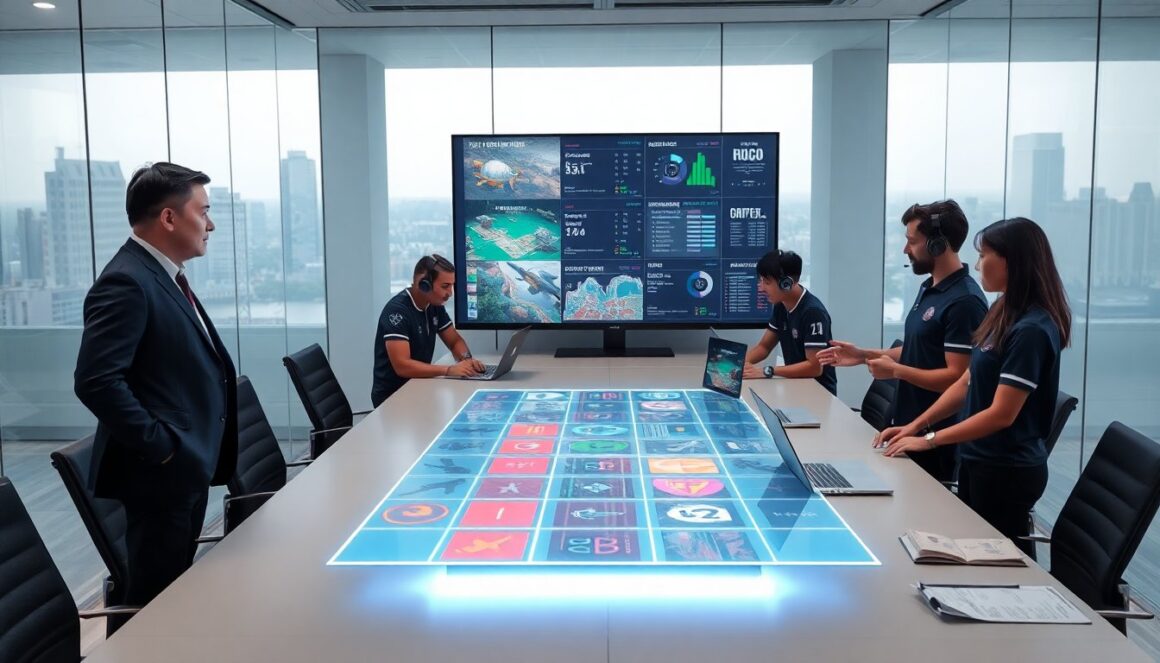
In video games PlayBattleSquare appears as a tactical arena mode that tests aim, timing, and map control. The guide explains core rules, common mechanics, and practical strategy. It helps designers and players understand balance choices and emergent play. It uses clear examples and actionable steps to teach readers how to play and build levels for PlayBattleSquare.
Key Takeaways
- PlayBattleSquare is a tactical multiplayer arena mode emphasizing precision, timing, and map control through capturing and holding square tiles.
- Success in PlayBattleSquare relies on mastering positioning, resource management, and power-up control to outmaneuver opponents and maintain tile advantage.
- Designers create balanced PlayBattleSquare levels by carefully placing tiles, power-ups, and spawn points to promote fair competition and prevent dominant strategies.
- The mode’s core mechanics involve capturing, defending, and disrupting tiles, with varied win conditions like score limits, timed matches, or elimination rules shaping player strategy.
- Players adapt tactics based on weapon choice and map hazards, using mobility and cover to contest key squares and control sightlines effectively.
What PlayBattleSquare Is And How It Works
PlayBattleSquare is a multiplayer arena mode. It places players on a grid of small platforms. Each platform gives cover and line-of-sight choices. Players move between squares to control space. The mode rewards precision and short-term decision making. Developers often limit player health and increase movement speed to force constant engagements.
In videogames playbattlesquare uses square tiles that change state when a player controls them. Tiles confer points or buffs. Some versions grant a passive resource when a player holds a tile. The result creates a tug-of-war over key squares. The mode often includes a shrinking safe area or timed tile resets to keep matches short.
Designers set clear win conditions. They may use score limits, timed rounds, or last-player-standing rules. Match pacing depends on tile respawn rates and power-up frequency. Players learn the mode by practicing tile jumps, peeking for opponents, and timing power-up pickups. Many competitive scenes adopt PlayBattleSquare for its tight tactical play and spectator-friendly action.
Core Gameplay Mechanics, Rules, And Win Conditions
The mode uses a core loop of capture, defend, and disrupt. Players capture tiles by standing on them or performing an interaction. Tiles often flip color to show control. Captured tiles generate points at fixed intervals. Designers balance point gains against player kill rewards to shape behavior.
Rules can limit respawn locations and weapon loadouts. They can grant temporary invulnerability after respawn or deny it to increase risk. Movement mechanics like dash, jump, or slide change how players contest squares. Weapon variety affects hold time: long-range weapons favor area control, while close-range tools favor aggression.
Win conditions fall into a few categories. A score limit ends the match when a team or player reaches the point target. A timed match ends with the highest scorer declared the winner. An elimination rule ends when only one player or team remains. Each condition alters strategy: time limits favor steady capture, while elimination favors aggressive disruption.
Map hazards add tension. Falling tiles, temporary barriers, and moving platforms increase variance. Designers use hazards to break stalemates and to create rotation paths. Power-ups spawn at fixed or random locations. Power-ups can boost speed, grant shields, or offer high-damage weapons. The placement and cooldown of power-ups shape player movement and risk choices.
Player Strategies: Positioning, Resources, And Power-Ups
Players who master PlayBattleSquare focus on space control and timing. They prioritize key tiles that link rotation paths. They keep sightlines to adjacent squares and force opponents into predictable movement. They use cover to bait enemy approaches and to reset fights.
Resource management matters. Players monitor health, ammo, and active buffs. They avoid low-health pushes unless a teammate covers them. They collect small, frequent resources to extend hold time on tiles. They trade kills when it yields a longer tile hold or denies opponents a power-up.
Power-up control changes match flow. Players secure high-value pickups and then hold nearby tiles. They deny opponents the pickups even if they cannot immediately use them. Players use temporary boosts to push for a tile cap or to escape a losing fight. In team modes, one player often acts as a pickup runner while others defend tiles.
They adapt play based on weapon choice. Long-range players anchor on elevated squares to contest fire lanes. Close-range players use mobility to flank and dislodge anchors. Balanced teams mix both roles to cover tile control and reactive defense.
Players exploit tile timing. They watch the capture pulse and time entries to land just as the tile flips. They interrupt enemy captures with short bursts of fire or with movement denial tools like stuns. Good players track respawn timers for both power-ups and map hazards to predict opponent movement.
Designing Balanced PlayBattleSquare Levels And Modes
Designers start by mapping control points. They place tiles to create clear rotation loops. They ensure no single tile gives total map control. They add equal access to power-ups for both sides to avoid permanent advantage.
They test with varied player counts. A map that works for four players might fail with eight. They adjust tile size, spacing, and sightlines to suit the expected player count. They tune movement counters and weapon ranges to keep captures contestable.
Designers add choke points and escape routes. Choke points create conflict. Escape routes prevent stalemate and allow counterplay. They use verticality to make high ground meaningful without making it decisive.
They set spawn logic to reduce spawn kills. They place spawn points away from high-value tiles. They use brief spawn invulnerability or staggered spawns when necessary. They monitor match data to find dominant strategies and then tweak tile timers, power-up frequency, or map geometry.
They iterate with players. They run playtests, collect feedback, and deploy small changes. They record metrics like average hold time per tile, time to first capture, and match length. They change values based on clear data to balance fun and fairness.
In video games PlayBattleSquare rewards clear design and simple rules. It makes tactical depth through small, repeatable choices. It asks designers to keep options meaningful and to remove dominant, single-path solutions.