Immerse In Gaming: How To Master PlayBattleSquare And Level Up Your Competitive Edge In 2026
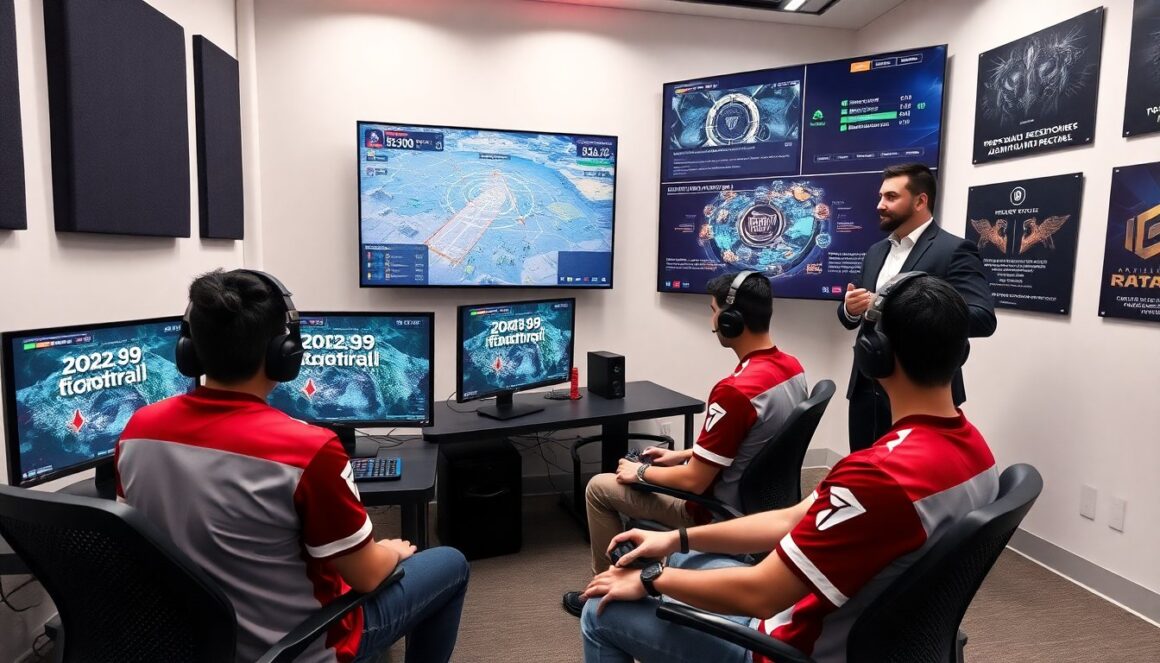
The phrase immerse into games playbattlesquare guides readers to PlayBattleSquare basics. The article explains what PlayBattleSquare is and why it matters. It shows how to set up the game and control characters. It gives early strategies and later tactics for team play and progression. The writing stays clear and direct. The reader gets actionable steps and facts.
Key Takeaways
- PlayBattleSquare is a fast-paced team-based arena shooter that rewards map control, aiming skill, and timing for engaging gameplay.
- To immerse in games playbattlesquare effectively, players should optimize hardware settings, learn controls, and focus on zone control and gadget timing.
- Early strategies include mastering map routes, aiming techniques, and basic team roles like leader, support, and flanker for coordinated play.
- Advanced tactics emphasize role-specific routines, resource economy, and precise team communication to enhance competitive edge.
- Consistent progression involves completing challenges, specializing skills, and maintaining health through rest and training routines.
- Clubs and teams use PlayBattleSquare’s ranked data for talent scouting and strategic roster decisions, supporting long-term competitive growth.
What PlayBattleSquare Is And Why It’s Worth Diving Into
PlayBattleSquare describes a team-based arena shooter with short rounds and objective zones. Players enter matches with loadouts, gadgets, and a small skill tree. Developers update maps and modes regularly. Fans call it fast, focused, and fair. The game rewards map control, aim, and timing.
Players who want to immerse in games playbattlesquare find quick matchmaking and ranked ladders. The ranked system measures individual impact and team wins. The progression grants cosmetic items, small stat boosts, and unlockable gadgets. Streamers and clubs use PlayBattleSquare for weekly tournaments and community cups.
Competitive players value PlayBattleSquare because it reduces randomness and highlights skill. Teams form roles like anchor, flanker, and support. These roles let teams craft clear plans before each round. Fans note that the predictable round length makes practice efficient.
Casual players enjoy short matches and clear goals. New players learn core mechanics in under an hour. The game design keeps learning curves shallow and reward loops tight. Communities form around tips, clip sharing, and map guides.
eTrueSports has coverage on broader competitive trends and strategies. Writers used the site to compare PlayBattleSquare tactics to scene-wide methods in esports strategies 2025. The comparison highlights training habits and team roles that translate between titles.
Getting Started: Setup, Controls, Core Mechanics, And Early Strategies
Players who want to immerse in games playbattlesquare should configure hardware first. They set a stable FPS target and a low input latency profile. The player adjusts sensitivity so aim is repeatable. The player binds key actions to reachable keys and a mouse thumb button. The player turns off motion blur and reduces visual clutter.
Controls follow a simple pattern. Move with WASD. Aim with the mouse. Use primary fire for damage and the secondary fire for utility. The gadget key activates throwables. The reload key resets magazine state. The sprint and crouch keys change movement profile. The game shows default bindings in the settings menu and it lets players reassign them.
Core mechanics center on zone control and gadget timing. Players capture zones to generate points. Players deny zones to stop enemy spawns. Gadgets create temporary cover or block sightlines. Players gain small passive bonuses by holding objectives. Aim wins duels: timing turns fights.
Early strategies favor map knowledge and simple plans. The player studies two main routes to each zone. The player practices peeking angles rather than wide strafing. The player uses crosshair placement at chest height. The player practices burst fire at medium range and single taps at long range.
Teamplay basics begin in the first three matches. The team assigns a leader to call rotations. The leader marks which zone to contest and which to bait. The support player saves utility for post-plant or post-capture fights. The flanker watches a single flank route and reports enemy numbers.
New players can compare map flow and item pacing with other titles. The site lists similar game modes in a comparison of game platforms and fish titles. That piece helps players pick practice modes and warm-up routines.
Advanced Tactics, Team Play, And Progression Paths For Long-Term Success
Experienced players who choose to immerse in games playbattlesquare move from basics to layered strategy. They build role-specific routines. The anchor practices site-holding with predictable crossfires. The flanker times pushes to create 2v1s. The support times gadget drops to cut rotations.
Teams set short practice goals. They practice one execute per session and one retake per session. The coach records a play and asks a player to explain a decision. The coach improves decision speed and reduces simple mistakes. Teams run dry runs on empty servers to drill timing and spacing.
Advanced tactics include angle denial and resource economy. The team preserves cooldowns for clutch rounds. The team trades utility to deny enemy resets. The team rotates only when the objective value spikes. Players use sound cues and minor animations to predict enemy actions.
Progression paths reward consistent play. The player completes daily and weekly challenges to gain experience. The player unlocks gadgets that change rotation timing. The player chooses skill-tree nodes that improve a role’s core strengths. The system encourages role specialization and small meta shifts.
Health and performance matter for long-term play. The player schedules short practice blocks with rest breaks. The player uses sleep, hydration, and simple stretching to keep reaction times steady. A recent guide on competitive entry supports these steps and training structure in a practical way for new competitors ESPN guidance.
Clubs and semi-pro teams use PlayBattleSquare for talent scouting. The team owner watches ranked replays and tracks win rates by role. The owner reads match stats and watches clutch rounds. Those metrics guide recruiting and role swaps.
Players who plan seasons and goals see steady improvement. They set measurable targets like headshot percentage, zone hold time, and clutch win rate. They review their play each week and adjust one habit at a time. That method helps players grow without burning out.