From Demo Mode to Real Play: Learn an Online Game Before Spending
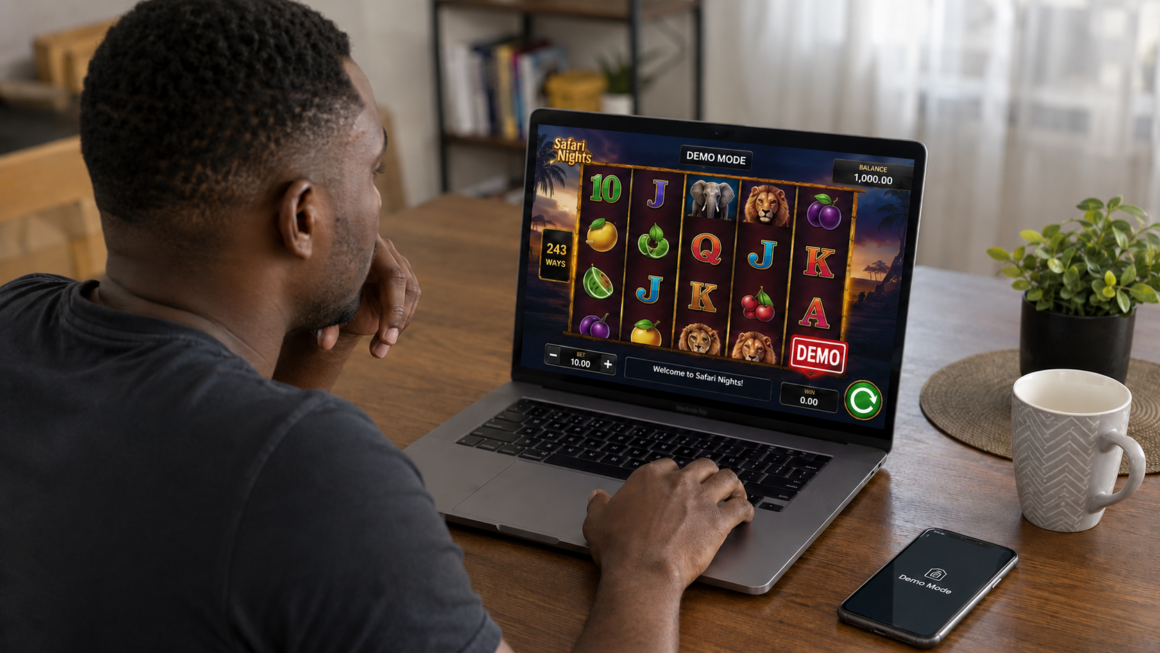
Demo mode lets users open a casino game without risking money. Players exploring online casino Kenya sites can use free-play titles to learn the controls and pace before making a deposit.
The balance is virtual, but the interface often resembles the paid version. This article explains what demo play can teach, what it cannot prove, and how to move to a small paid session.
What Demo Mode Is Good For
Demo play works best as a learning tool. Users can test settings and open help screens without paying for mistakes.
A useful regulatory benchmark comes from Great Britain, where free-play games offered alongside real-money versions must use the same rules and accurately represent the likelihood and distribution of prizes. This standard does not apply automatically to every international platform, so compare the demo information with the paid game page.
|
What demo mode can show |
What it cannot confirm |
|
Bet controls |
Future results |
|
Paytable structure |
Withdrawal handling |
|
Bonus triggers |
Reaction to real losses |
|
Game speed |
The next outcome |
|
Mobile navigation |
Account conditions |
The goal is familiarity. A large virtual win says nothing about the next paid session.
Learn the Game Before Adding Money
Open the help panel before starting. It may sit behind an “i” symbol or the provider’s logo. Rules that are hard to find in demo mode will remain hard to follow during paid play.
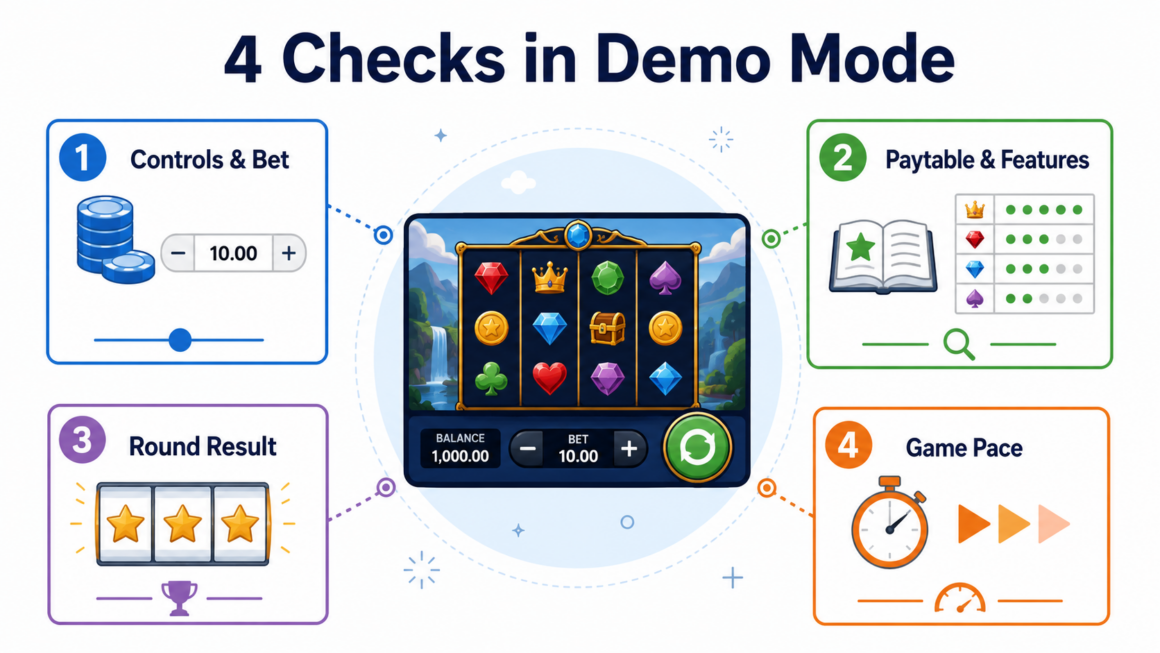
Find the Controls and Total Bet
Locate the main bet field. Some games show one total amount, while others divide the stake across paylines or positions.
Change the setting once and check which figure updates. The amount beside the play button should match the cost of one round. Leave autoplay off during the first test so each step remains visible.
Read the Paytable and Feature Rules
The paytable explains how symbols or outcomes are valued. For a slot, check which symbols act as wilds and which start a feature. Note whether wins are counted from one side or through a “ways” system.
A bonus may require matching symbols or a filled meter. The demo should show what must happen before the feature begins. Some animations show progress without creating a prize.
Watch How a Round Ends
Check when the balance changes and where the result appears. A loud animation can make a small return look larger than it is.
Suppose the virtual stake is KES 20 and the game returns KES 12. The screen may celebrate, yet the balance has fallen by KES 8. Compare the balance before and after the round.
For table-style games, watch how chips are cleared and how winnings are credited.
Measure the Pace
Game speed affects how much can be wagered over time. A KES 20 stake seems small on its own. Ten rounds cost KES 200 before returns are counted.
Use a timer and count how many rounds fit into five minutes at normal speed. Skip turbo mode. The exercise shows how quickly repeated taps can increase the total amount placed.
What Demo Results Cannot Tell You
Still, certain things can be left uncovered during a free trial. When exploring the game without spending, keep the following in mind:
- A demo session cannot show whether the next paid session will win. A short run is too small for conclusions about a random game.
- RTP is also easy to misread. The percentage describes an average achieved over a very large number of plays. It does not promise that one user will receive that percentage back during a short session.
- A game with a 96% RTP does not return KES 96 after every KES 100 spent. One session may finish above that level and another far below it. The figure describes long-term design.
- Virtual credits remove the financial pressure of losing. Demo mode cannot show how real losses may affect pace or stake size.
Use a Ten-Minute Demo Test
A focused test is more useful than leaving the game open without a plan.
- Open the information panel. Find the rules and displayed RTP where available.
- Set the lowest virtual stake. Confirm the full cost of one round.
- Play five normal rounds. Avoid autoplay and speed controls.
- Review the balance movement. Compare each stake with the amount returned.
- Try one feature only if it appears naturally. Avoid paid feature shortcuts.
- Leave after ten minutes. Note any rule that remains unclear.
Check the provider’s instructions or ask support when the game menu leaves a basic question unanswered.
Which Games Benefit Most from Practice?
Demo mode is useful when the layout or settlement process takes time to understand.
|
Game type |
What to practise |
|
Slots |
Bet controls and feature triggers |
|
Roulette |
Chip placement and settlement |
|
Blackjack |
Button layout and table rules |
|
Video poker |
Paytable and hold controls |
|
Crash games |
Round timing and cash-out control |
|
Virtual games |
Selection and result display |
For blackjack or video poker, check the exact version because a similar title can use a different paytable or dealer rule.
Live dealer games may lack a true demo table. A tutorial can explain the layout, though it cannot reproduce live timing.
Move to Real Play Carefully
A clear demo session is a reason to understand the game, not a reason to raise the stakes. Begin with a fixed amount already set aside for entertainment. Before the first paid round:
- Confirm the real-money bet;
- Check that the rules match the demo;
- Set a time or deposit limit;
- Keep household money separate.
Safer-gambling guidance recommends setting limits for time and money and spending only what the user can afford.
Stop if the paid version behaves differently. Reopen the rules and check the provider name. Understand any change in RTP or stake range before continuing.
Once the controls are clear, more virtual rounds do not improve the ability to predict random outcomes. Set a time limit even when no money is involved.
Bottom Line
Demo mode can reveal the controls, paytable, and pace without charging for mistakes. Judge the session by what you learned, not by the virtual balance at the end.
Practice results do not forecast paid outcomes, and RTP applies over a large number of plays. When moving to real money, use a small fixed budget and confirm that the rules have not changed.
FAQ
Does demo mode use the same rules as real-money play?
It normally does on platforms that follow standards requiring free-play games to mirror the paid version. Check the specific game because international requirements vary.
Can a big demo win happen again with real money?
It can happen by chance, but the demo result does not make a similar paid result more likely.
Should I use autoplay while learning?
Manual play is easier to follow because there is time to check the stake and balance after each round.
Where can I find a game’s RTP?
Look in the information menu or paytable. The location varies by provider.
How long should a demo test last?
Ten minutes is usually enough to find the controls and read the main rules.