
How To Set Up an Automatic Farm on PlayBattleSquare: A Simple Step-By-Step Guide (2026)
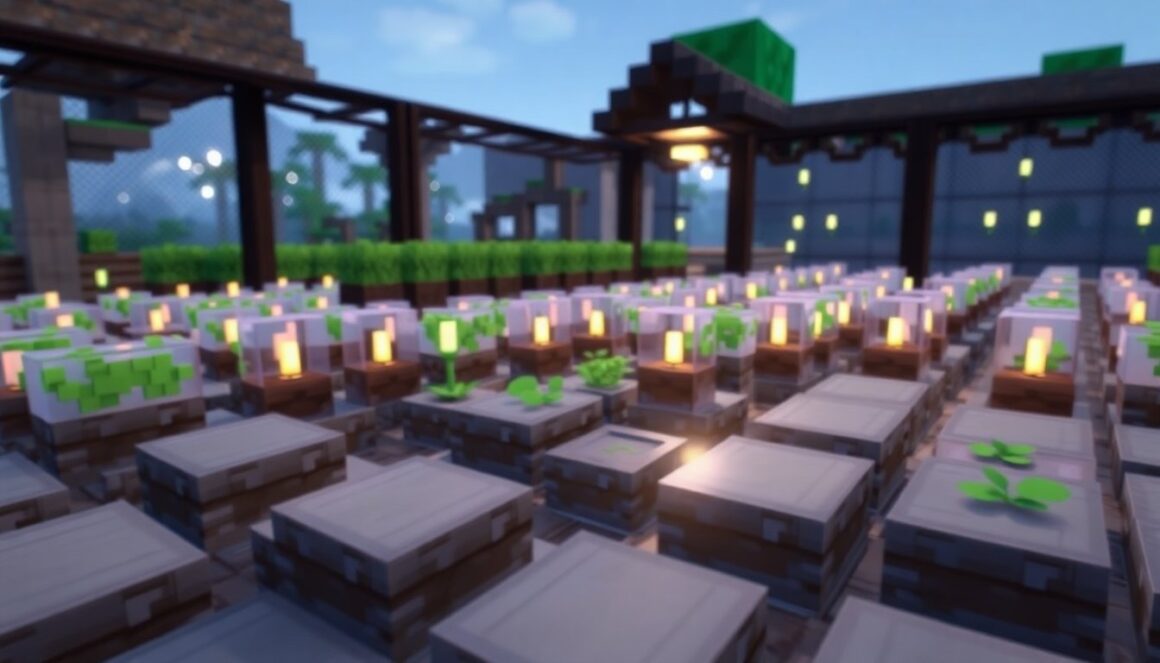
playbattlesquare set up automatic farm minecraft requires clear steps and simple planning. This guide lists rules, materials, and designs. It shows server-safe builds, common redstone, and timing tips. The guide keeps language direct. The guide helps a player move from idea to running farm on PlayBattleSquare without wasted effort.
Key Takeaways
- Always check PlayBattleSquare server rules and get permission before setting up an automatic farm to avoid conflicts and ensure compliance.
- Gather all necessary materials like building blocks, water buckets, hoppers, and redstone components based on your farm goals and crop type.
- Choose a farm design compatible with server limits, such as water-flush, observer-harvest, villager crop farms, or piston farms for sugarcane and bamboo.
- Follow step-by-step build instructions: prepare your plot, lay farmland with water channels, set up collection hoppers, install observers and pistons, then fine-tune redstone timing for efficient harvesting.
- Regularly test your automatic farm during construction and troubleshoot common issues like hopper clogs, incorrect observer orientation, and lag spikes to ensure smooth operation.
- Plan farm maintenance with clear routes, schedules, and backup plans to keep your PlayBattleSquare automatic farm running reliably over time.
What You Need Before You Start: Server Rules, Materials, and Farm Goals
What you need first is permission. A player must check PlayBattleSquare server rules before building. The server often restricts redstone lag, villager farms, or TNT. A player should read the rules page or ask an admin for clarity. The player then sets farm goals. A player must decide crop type, output rate, and space limits. The goals guide the material list.
Next, gather core materials. A player will need building blocks, water buckets, hoppers, chests, dispensers, observers, pistons, and basic redstone dust. A player should add bonemeal, seeds, or saplings for initial planting. For villager-based farms, a player must include workstations and beds. A player must prepare rails and minecarts for systems that collect items over distance.
A player must account for server performance. A player should limit moving entities and avoid constant chunk unloading. A player should prefer compact redstone over large clock loops. A player should test the farm in a private world if possible. For players who rent a server, this step helps: see a guide on minecraft server hosting for hosting basics. A player who wants mod support should review mod guides and then check the article on minecraft mods fun beginners server hosting for simple setup tips. If a player needs to rent hardware, they can learn why renting helps via the minecraft renting server way level gameplay article.
A player should label the build area and plan a safe route for redstone maintenance. A player must set a clear maintenance schedule and backup plan. A player who follows these steps will save time during the build.
Core Automatic Farm Designs Compatible With PlayBattleSquare
PlayBattleSquare supports common automatic farm designs when the server rules allow them. A player can choose a water-flush crop farm, observer-harvest crop farm, villager crop farmer, bamboo/sugarcane piston farm, or mob-based drops farm. Each design uses minimal entities and compact redstone to reduce lag.
A water-flush crop farm uses dispensers, water, and hoppers. A player plants crops on farmland in rows. An observer watches crop blocks. When a crop reaches maturity, a player triggers water to flush items into hoppers. A player benefits from simple timing and low entity counts.
An observer-harvest design uses an observer and piston or dispenser with shearers for specific crops. An observer detects block changes and sends a short pulse. A player attaches that pulse to a collection line of hoppers and chests. This design scales cleanly and stays compact.
A villager crop farmer uses a villager to harvest and throw crops to a hopper minecart or hopper beneath. A player must keep villager counts low to avoid lag. A player should place workstations and beds to control farmer behavior. A player must protect villagers from hits and sunlight when required.
A bamboo or sugarcane piston farm uses observer timing to push blocks at the right tick. A player uses alternating pistons to avoid server block update issues. A player should include item filters if multiple outputs exist.
A mob drop farm requires spawn control, water streams, and hopper collection. A player limits entity caps and uses efficient kill chambers. A player should test for server rules on mob grinders before building.
Step-By-Step Build: From Layout To Redstone Timing (With Troubleshooting Tips)
Step 1: Choose a safe plot. A player marks a flat 9×9 or 12×12 area. The player clears vegetation and places a border of solid blocks.
Step 2: Lay core blocks. A player places farmland or planting blocks in organized rows. The player adds water channels every four blocks for hydration. The player places hoppers and chests at one end to collect items.
Step 3: Add collection lines. A player connects hoppers to chests and tests item flow by dropping items manually. The player fixes clogged hoppers by removing excess items or reorienting the line.
Step 4: Install detection. A player sets observers facing growth blocks or the final block in the piston line. The player wires observers to pistons or dispensers with short redstone runs. A player avoids long repeaters unless timing needs adjustment.
Step 5: Tune redstone timing. A player uses repeaters to add delay in 1–4 tick steps. The player starts with a one-tick pulse and increases delay until items fully collect. The player tests with multiple crops to ensure full harvest.
Troubleshooting tip: If crops do not drop, a player checks observer orientation and redstone continuity. A player checks block updates and ensures pistons face the correct axis. A player confirms dispensers hold water buckets or shearers and that they face the planting area.
Troubleshooting tip: If items vanish, a player checks hopper orientation, chunk borders, and server item despawn settings. A player avoids unloading the collection chunk.
Troubleshooting tip: If lag spikes occur, a player reduces entity counts, replaces villager farms with observer farms, or adds a redstone clock with a lower duty cycle. A player can also move the farm away from the spawn chunk.
A player who follows these steps will build a working automatic farm on PlayBattleSquare. A player should test the farm after each stage and keep an admin informed if the server imposes limits.


