
Master PlayBattleSquare In Video Games: A Practical Guide To Win More Matches In 2026
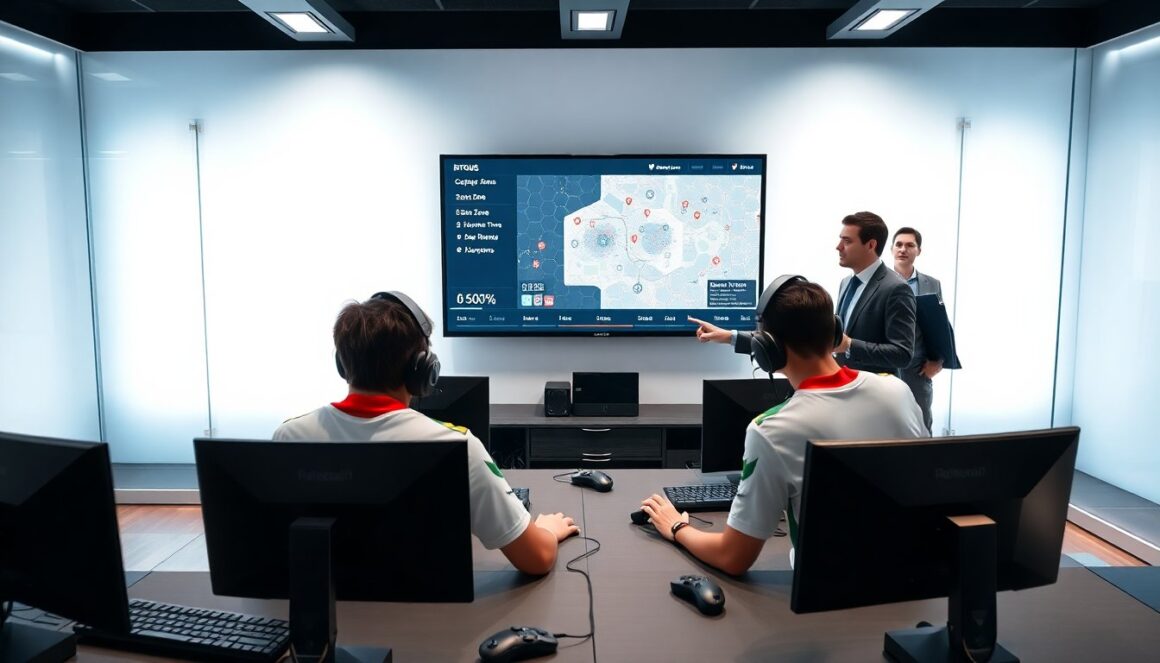
This guide explains newsbeat playbattlesquare basics and uses. It presents clear rules, simple controls, and practical strategies. The reader will learn how to improve decision making and win more matches.
Key Takeaways
- PlayBattleSquare is a competitive video game mode focusing on area control, timed objectives, and resource scavenging to increase player engagement and variety.
- Mastering PlayBattleSquare involves understanding core rules like zone capture, rotation timing, and efficient respawns to secure wins.
- Optimizing controls and UI settings, such as clear HUD markers and low input lag, significantly improves reaction times and map awareness.
- Effective strategies vary by team size: solo players prioritize stealth and rotations, duos assign roles, and squads coordinate distinct duties for zone control.
- Prioritize positioning by securing high-value zones and maintaining zone presence for higher scores rather than solely focusing on kills.
- Manage engagements by timing pushes during enemy weaknesses, conserving resources, and using area denial tools strategically rather than aggressively.
What PlayBattleSquare Is And Why It Matters In Modern Games
PlayBattleSquare describes a competitive mode that mixes area control, short engagements, and resource scavenging. Developers add playbattlesquare modes to increase player interaction and match variety. Players encounter shrinking safe zones, timed objectives, and point capture mechanics in many maps. Teams win by holding zones or scoring target points before the timer ends. The mode changes how players value map control and rotation. Esports and casual scenes adopt playbattlesquare rules because they promote skillful movement and clear objectives. That adoption mirrors the rise of competitive gaming and supports claims about organized play seen in e-sports emergence.
Core Rules, Objectives, And Match Flow
Matches start with a drop phase or spawn. Players move to capture zones and gather supplies. The match flow cycles through capture, contest, and reset phases. Scoring occurs when a team holds a zone for a set time or achieves target points. Timers force rotations and create conflict windows. Respawn rules vary by title: some modes allow immediate respawn, and others limit lives. Match length stays short to medium, usually ten to twenty minutes. This length keeps matches intense and reduces downtime. Players win by combining zone control with point farming and efficient respawns. Referees or match systems enforce objective timers and fairness.
Essential Controls, UI Elements, And Settings To Optimize
Players should bind key actions to accessible buttons. Controls for quick capture, sprint, and peek improve reaction times. UI shows zone timers, score tallies, and nearby threats. Players should enable clear HUD markers and high-contrast zone outlines. Settings that reduce input lag and increase frame rate help aiming and movement. Players should set sensitivity where they can track targets without jitter. Audio should highlight footsteps and objective alerts. Mini-map zoom and ping options speed team communication. The player should test settings in a private match and adjust until inputs feel reliable.
Primary Strategies For Solo, Duo, And Squad Play
Solo players should avoid long fights and favor smart rotations. They should use stealth, short engagements, and hit-and-run tactics. Duos should assign roles: one controls space and one secures points. Duos should trade revive chances for sustained objective presence. Squads should split duties: one holds high ground, one scans flanks, and one secures points. Squads should call simple, direct orders and avoid overlapping movement. All team sizes should value vision and predictable rotations. The team should mark priority zones and allot resources for defense and contest. The following sub-sections break down the main tactical details.
Positioning, Map Control, And High-Value Zones
Positioning, Map Control, And High-Value Zones
Players should seek elevation for sightlines and cover. High-value zones appear near spawn points, loot hubs, or chokepoints. Teams should secure those zones early or deny them to enemies. Rotation paths should favor cover and short sightlines. Players should use smoke or barriers to move between zones safely. When a zone loses value, the team should rotate quickly to the next objective. Hold time matters more than kills. Teams that preserve lives and maintain zone presence usually outscore aggressive but isolated players.
Engagement Tactics, Timing, And Resource Management
Engagement Tactics, Timing, And Resource Management
Players should pick fights on timed windows when respawns are weak or enemies lack resources. Timing a push after enemy uses heavy utility increases success odds. Players should conserve healing and ammo for late-match contests. Teams should trade equipment to balance loadouts and cover weaknesses. When a fight drags, teams should disengage and reset. Quick peeks and short bursts reduce exposure. Players should treat grenades and area denial tools as timing devices rather than just damage sources.
Common Mistakes To Avoid And How To Recover Mid-Match
A common mistake is tunnel vision on kills. Teams that chase kills lose zone control and points. Another mistake is poor resource sharing. Players that hoard heals create late-match shortages. Players should avoid holding predictable positions that enemies can pre-fire. If a team loses a major zone, they should shift to guerrilla contests and force enemies to split attention. If respawns run low, the team should focus on denial and baiting. Players should use one player to scout and one to contest while others secure flank routes. Simple resets and calm pacing often return a match to balance.


