
Matchmaking Patches And PlayBattles: How The Square Canyon Update Changes Match Flow (2026 Guide)
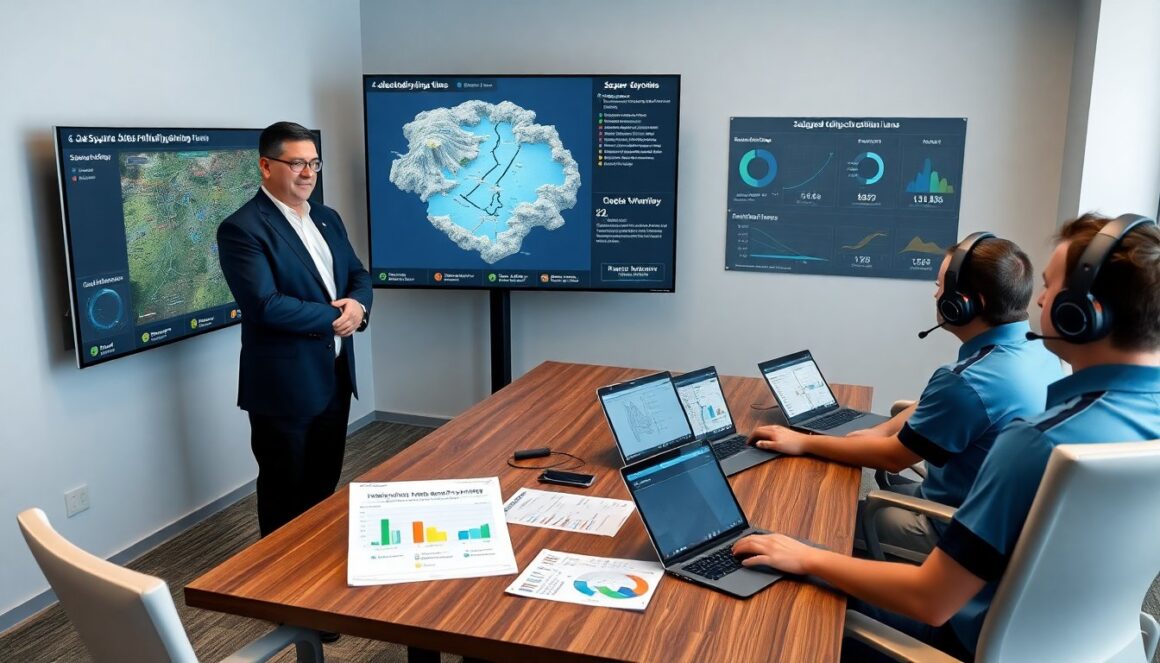
Matchmaking patches playbattlesquare canyon acquire describe recent changes to match flow. The playbattlesquare rankings avatars swamp update shifts spawn logic, queue pairing, and objective timing. Players must learn the new flow. Teams must change loadouts and roles. Coaches must track match quality data. This guide lists the changes, the map effects, practical tactics, and how to report problems.
Key Takeaways
- Matchmaking patches for PlayBattles on Square Canyon improve pairing speed and balance by adjusting skill thresholds and team roles.
- Spawn points and objective timers on Square Canyon have been altered to reduce early crossfire and encourage faster rotations, requiring strategic timing adjustments.
- Solo players may experience slightly longer queue times, while grouped teams benefit from faster match fills and better role balancing.
- Teams should prioritize early vision, controlled pushes, and assign a player to monitor adjusted spawn lanes for strategic advantages.
- Optimal loadouts now favor mobility, fast-reloading light weapons, and a balanced team composition with flexible duelists and supportive area denial.
- Players are encouraged to monitor match quality, report issues promptly, and expect ongoing tweaks from developers based on feedback and telemetry.
What The Latest Matchmaking Patches Change — High-Level Overview
The matchmaking patches playbattlesquare canyon acquire focus on pairing speed and match balance. The developer adjusted skill thresholds to reduce long waits. The patch updates include faster queue fills for mixed-skill queues. The patch adjusts invisible penalties for dropouts to discourage quick leaves. The patch tweaks team role weighting so teams get balanced support and damage roles more often. The update changes objective timers slightly to tighten round pacing. The change aims to deliver more consistent match lengths and fewer mismatched teams.
How The Patches Specifically Affect PlayBattles And Square Canyon
The patches change how PlayBattles handles matchmaking on Square Canyon. PlayBattles now factors recent teammate performance more heavily. PlayBattles also reduces variance in match skill by smoothing extreme ratings. The change affects spawn clustering and rotation predictability on Square Canyon. The patch makes it more likely that teams see opponents of similar recent form. The patch reduces wildly one-sided matches, but it can slightly extend queue time for solo players in peak hours.
Map-Specific Effects On Spawn, Rotation, And Objective Timing
Square Canyon now spawns players from adjusted zones. The patch moves several spawn points five to eight meters. The change reduces early crossfire in central chokes. The patch shortens some objective timers by three to five seconds. The shorter timers force earlier rotations and quicker pushes. The patch also staggers rotation windows so fewer teams contest the same flank simultaneously. Teams see more predictable rotation lanes. Players must adjust timing when they attack or defend central objectives.
Queue Times, Skill Balance, And Match Quality After The Update
Queue times now vary by solo versus grouped players. Solo players may wait slightly longer in high-demand brackets. Grouped teams see faster fills as the system favors balanced role sets. Skill balance improves for mid-ranked matches. High-ranked matches show less rating drift after the patch. Match quality metrics now report lower variance in win margins. The patch reduces blowouts but increases frequency of close matches decided in final minutes.
How To Adapt Your Strategy On Square Canyon Post-Patch
Players must change approach on Square Canyon after the patch. Teams must emphasize early vision and controlled pushes. Players must avoid predictable routes that spawn adjustments expose. Teams must assign one player to watch adjusted spawn lanes. Players must time rotations faster because objective windows tightened. Players must save key utilities for the new shorter windows. Teams that adapt pacing will gain small but consistent advantages in match flow.
Loadouts, Positioning, And Team Compositions That Work Now
Players should pick loadouts that favor mobility and quick trades. Light weapons with fast reloads work well for early skirmishes. One support with area denial tools helps secure tightened objectives. Teams should favor two flexible duelists and one anchor. Positioning should shift away from old choke points toward staggered depth. Players should hold a mid-line watcher to track adjusted spawns. Teams that balance mobility and utility will win more small fights and control objective tempo.
Monitoring, Reporting, And What To Expect Next From Developers
Players should monitor match quality after each session. Players should report clear bugs using in-game tools. Developers will watch telemetry and adjust thresholds if needed. Competitive players can consult guides on how to start competing for help with role choices and practice routines using an external resource like the ESPN piece on how to start competing. The developer may roll minor tweaks within weeks and a larger patch in a few months. Players should log examples of bad matches with timestamps and upload them to support so the developer can act.


