Why Modern Games End Your Losing Streak
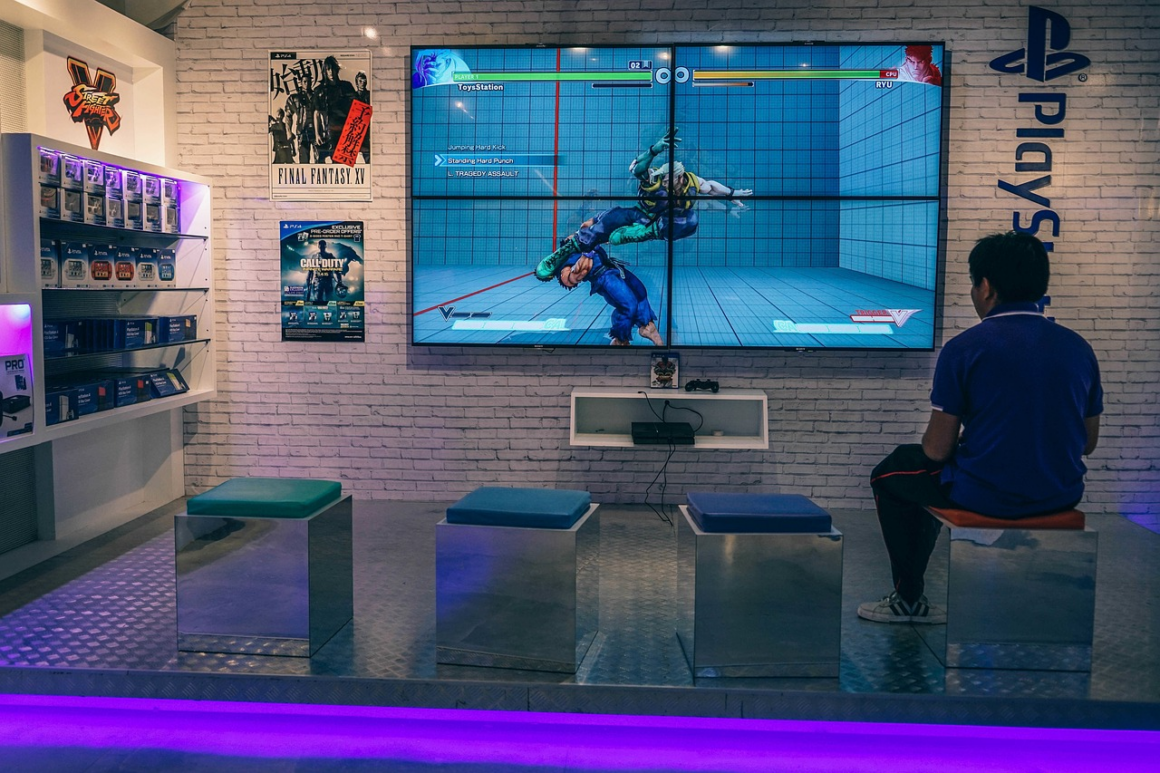
In the past, it was not unusual to experience a string of losses when you immersed yourself in the game. One could play over and over again without recording a win. After several tries, the fun could fade away.
At the time, game developers did not pay much attention to this. Nowadays, however, things are different. Many modern games have developed systems that reduce the chances of players becoming trapped in long runs of defeat.
Behind this realization and shift is a new understanding of how game studios think about player behaviour, retention, and satisfaction.
The Cost of Constant Defeat
Losing is part of every game. In fact, victory means very little if there is no chance of failure. But there’s no fun if it’s all losses and barely any wins. And, of course, there are only so many losses a gamer can take. As the losses pile up, frustration grows, and players begin to doubt their skills. Many, after becoming angry and frustrated, simply quit.
Developers know this. They also know that a player who closes the game after a terrible session may not return anytime soon. This is a serious risk for game developers. As a result, many studios now design their games around a simple idea: players should face challenges, but they should not feel hopeless.
In a similar way, casinos are trying to mitigate players’ losses with cashback bonuses and generous promotions that help players develop the feeling of a winning streak. Another way to let gamblers estimate their chances is through no-deposit bonuses, as reviewed at winispiny’s bestes online casino, so players can understand the best strategies, games, and platforms that offer free bonuses.
Smarter Matchmaking Systems
One of the biggest reasons losing streaks have become less common is the rise of advanced matchmaking. Most online games now track player performance in detail. Wins, losses, accuracy, reaction time, and other factors help determine a player’s skill level.
The goal is simple. Players should face opponents who are close to their own ability. When a player suffers several defeats in a row, the system may place them against less difficult opponents or teammates who can balance the match. With this comes a better chance of recovery and a possible win.
This does not mean the game hands out free victories. Rather, it tries to create contests where both sides have a fair shot at success.
The Rise of Engagement-Based Design
Players stay longer when they experience a healthy mix of wins and losses. If the game is too easy, the game grows boring. On the other hand, if the game comes across as impossible, it drives people away.
Because of this, some titles use systems that aim to keep players in the middle ground. Thus, while the experience remains competitive, the game tries to avoid long periods of frustration.
People often debate how far these systems should go. While some players argue that results should depend only on skill, a credible number believe games should do more to prevent discouraging sessions.
Regardless of where one stands, the trend is clear. Modern games pay close attention to player experience between matches.
Comeback Mechanics Keep Hope Alive
[Source: Pixabay]
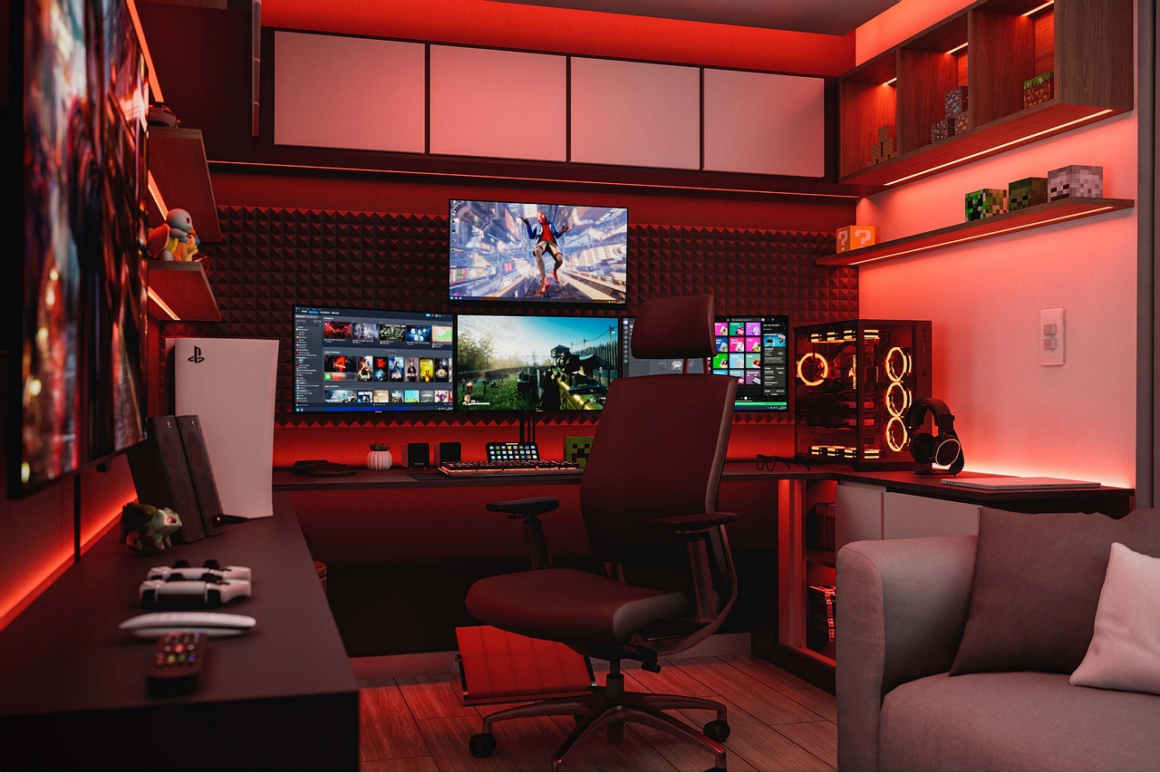
Many games now include features that give struggling players a chance to recover.
Sports games may offer momentum shifts. Strategy games often provide extra resources to weaker teams. These mechanics do not always guarantee a comeback, but they simply keep the contest alive.Without such features, many matches would be decided far too early. Players on the losing side would have little reason to stay engaged.
Developers want matches to remain exciting until the final moments. Comeback systems help make that possible.
Data Shapes Modern Game Design
One of the advantages contemporary gaming industries have these days is the enormous amount of player data. This means that studios can, in addition to seeing when players quit, also identify what causes frustration and track how long people stay after a series of defeats.
This information influences design decisions. Thus, where the available data shows that many players resign and quit after six straight losses, developers may adjust matchmaking, rewards, or progression systems to reduce that outcome.
Modern games rely more on constant feedback through data. This gives them a window to study player behaviour and help them respond to it effectively.
The Business Side of the Equation
There is also a financial reason behind this trend. Many modern game enterprises depend on long-term player activity. Whether through subscriptions, cosmetic purchases, or seasonal content, success often depends on people returning week after week.
A player trapped in endless defeat is less likely to stay active. What studios therefore do is to look for compelling incentives to keep players engaged. While this does not mean every system exists purely for profit, player satisfaction and business goals often point in the same direction.
A New Era for Competitive Gaming
Losing streaks have not disappeared. Every player still faces rough days, and skill remains important. No system can remove defeat entirely.
What has changed is the philosophy behind game design. Modern developers understand that players want competition, but they also want hope and reasons to return after a bad session.
As a result, many of today’s games are built to prevent players from falling into prolonged cycles of defeat. The next time a losing streak ends sooner than expected, it may not be luck alone. It could be the result of a game carefully built to keep you in the fight.