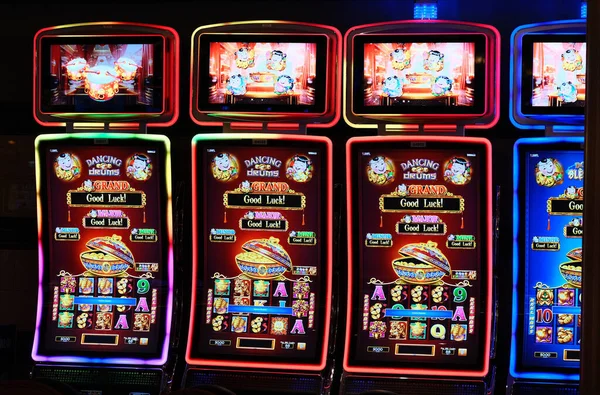
From Competitive Gaming to Social Casinos: Where the Two Audiences Overlap
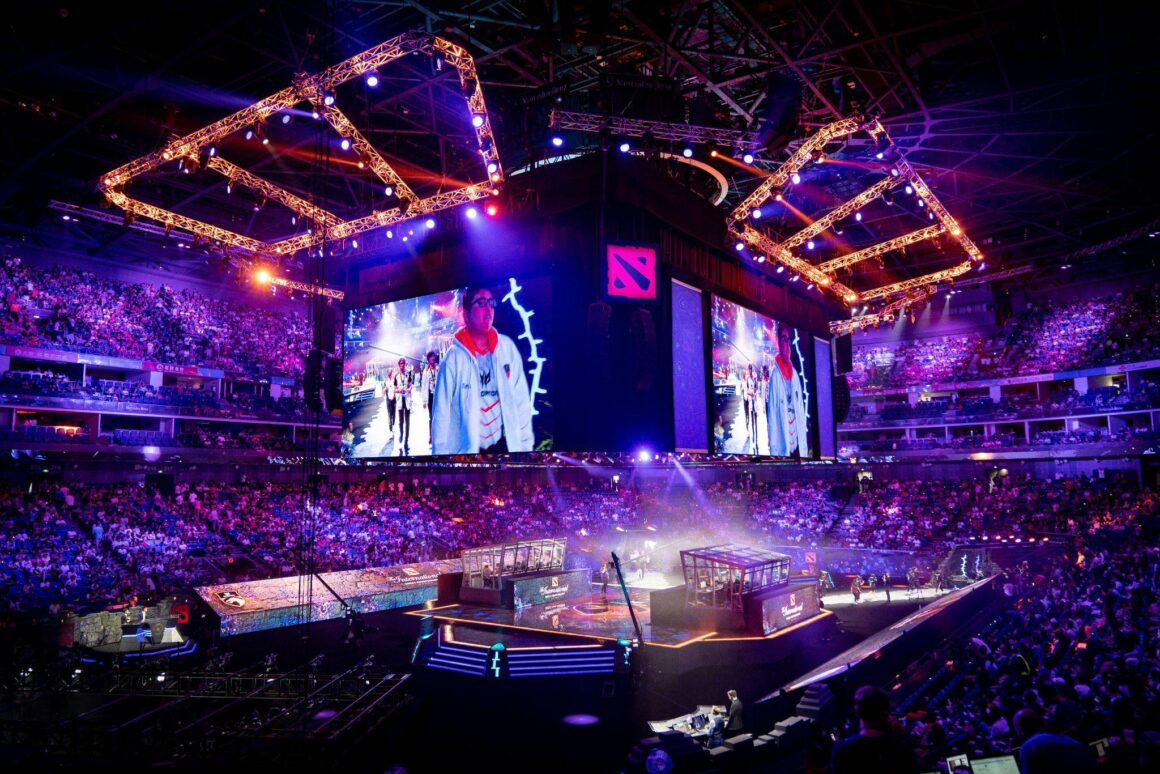
Ranked ladders and social casino platforms don’t look like they belong in the same conversation, but the players moving between them share more overlapping instincts than either side usually gets credit for.
The Progression System Is the Same Trick, Different Skin
Competitive gaming runs almost entirely on visible progression: ranked tiers, seasonal resets, leaderboards, tiny cosmetic unlocks that mean nothing mechanically but everything psychologically. None of that structure is unique to esports-style titles. Social casino platforms lean on the identical mechanic — daily login streaks, loyalty tiers, small recurring rewards that accumulate into a sense of forward motion even when the underlying activity is fundamentally about chance rather than skill.
The overlap isn’t accidental. Both formats are solving the same design problem: how do you keep someone engaged in a repetitive activity without the engagement feeling like a chore. Ranked ladders answer that with skill expression and status. Social casinos answer it with streaks and small, frequent wins. Different mechanism, same underlying goal.
Drop-In, Drop-Out Design Wins in Both Worlds
Competitive players have gotten increasingly allergic to anything requiring a long, uninterrupted time commitment. Match formats built around three-to-five-minute rounds, quick rematch queues, and rank tiers that don’t punish an irregular play schedule have become the standard rather than the exception, precisely because casual competitive players want to drop in for one match on a lunch break just as easily as they’d commit to a full evening session.
Social casino games, and increasingly sweepstakes-style platforms specifically, have converged on the exact same design philosophy. A session doesn’t need a fixed start and end point. A player can spin a few rounds, close the tab, and pick back up later without losing progress or momentum, the same way a competitive player expects to jump into one ranked match without committing to a full session. That flexibility is precisely what makes checking out a platform here feel like a natural extension of an afternoon already spent bouncing between quick competitive rounds, rather than a separate activity requiring its own dedicated block of time.
Fast Rewards Beat Big, Rare Ones for This Audience Specifically
Competitive gaming culture has quietly shifted away from massive, rare rewards toward frequent small ones, and the reasoning behind that shift applies directly to why social casino formats built around small, regular payouts tend to resonate with this exact crowd. A player checking a game during a short break gets more satisfaction out of several modest wins strung together than from a single high-variance outcome that either pays enormously or pays nothing. This is the same logic driving the rise of lower-volatility slot formats among casual players more broadly — steadier small wins simply fit better around a schedule built on quick sessions than the occasional massive spike does.
Competitive players recognize this instinct instantly, since it’s the same one driving their own preference for frequent small in-game rewards over rare, high-value drops that show up once in a hundred matches.
The Esports Crossover Isn’t Hypothetical Anymore
This overlap has moved well past theory. Streamers with competitive gaming backgrounds regularly cross over into casino-adjacent content, and sponsorship deals between esports organizations and betting or gaming platforms have become common enough that most competitive gaming audiences no longer treat the combination as unusual. The audience demographic overlap driving these deals isn’t a marketing assumption — it’s the same player base showing up in both spaces independently, drawn by the same underlying design instincts rather than any single platform’s advertising.
Why Drop-In Design Explains More Than Either Trend Alone
Our own look at how competitive online modes keep casual players engaged covers this exact drop-in, drop-out principle in more depth, and the parallel to casino-style gaming is explicit rather than a stretch: the same craving for immediacy that drives fast matchmaking queues and instant post-match rewards in competitive titles is what makes quick-session casino formats and fast payout processing feel similarly natural to this audience. It’s not that competitive gamers specifically seek out gambling-adjacent content — it’s that both formats were independently built around satisfying the exact same appetite for quick, low-commitment engagement.
What This Actually Means for the Overlap
None of this suggests every competitive gamer eventually gravitates toward social casino platforms, and plenty never do. What it does explain is why the crossover, when it happens, doesn’t feel like a jarring shift for the players making it. The underlying design instincts — visible progression, drop-in flexibility, frequent small rewards over rare big ones — were never genre-specific to begin with. They’re just good engagement design, and it turns out the same principles that keep someone queuing for one more ranked match also explain why a quick session somewhere else entirely can feel just as natural.