The 2026 Playbook For Players, Pros, And Fans – Video-Games BattleSquare NewsBeat
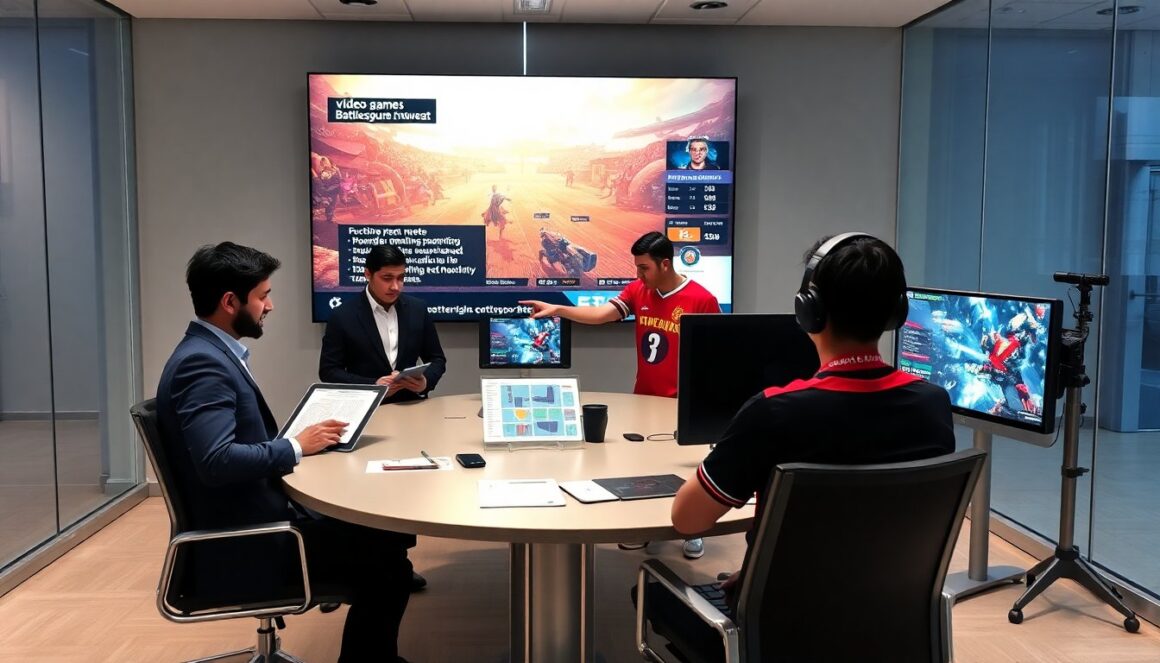
Videogames battlesquare newsbeat summarizes the latest changes for players, pros, and fans. It reports on gameplay, updates, and the competitive scene. The piece aims to give clear, usable information. Readers will find where to follow news and how to act on it.
Key Takeaways
- Battlesquare offers fast-paced arena combat with varied modes, including a new objective mode that intensifies early fights and shortens match times.
- The 2026 update improved movement and weapon balance, aiming to speed matches and emphasize positioning for competitive play.
- Recent patches adjusted armor and weapon stats, fixed hit registration, and introduced limited-time events with bonus progression and unique rewards.
- The game’s monetization shifted to seasonal passes and cosmetic items, ensuring that competitive ranking remains based on skill, not purchases.
- The competitive scene has grown with regional qualifiers, formal teams, expanded prize pools, and enhanced tournament formats that reward strategy and adaptability.
- Players and fans can stay updated through official channels, community forums, and third-party stat sites to follow meta changes, strategies, and esports news.
What Battlesquare Is Now — Core Gameplay, Modes, And Recent Evolution
Battlesquare now offers fast, arena-style combat. Players choose squads and drop into short rounds. The game uses cover, zone control, and power pickups as core systems. Ranked play rewards consistency and map knowledge. Casual modes focus on experimentation and fun.
The 2026 update reworked movement and weapons. Developers adjusted sprint speed and reduced recoil on mid-tier rifles. They added a small rotation of limited-time maps. These changes aim to speed matches and highlight positioning.
Battlesquare added a new objective mode in 2026. Teams must capture sequential points across a compact map. The new mode shortens match time and forces early fights. Players report a steeper learning curve but higher intensity.
The monetization model changed this year. The game moved to a seasonal pass with cosmetic tracks and optional battle bundles. Players can buy items or earn them through gameplay. The model keeps gameplay separate from competitive rank.
Major News And Updates This Month — Patches, New Modes, And Monetization Changes
This month the developers released two balance patches. Patch 4.2 lowered health on heavy armor and buffed SMG headshot damage. Patch 4.3 adjusted spawn timing and fixed several hit registration issues. The team posted patch notes with exact values and timing for rollback.
A limited-time event started this month. The event mixes the new objective mode with a point multiplier mechanic. Players earn double progression during weekend tournaments. The event also unlocks a themed weapon skin for mid-season battle passes.
Monetization saw a small change. The store added a rotating bundle that offers currency at a discount for the first purchase. The change aims to increase first-time conversions without altering drop rates. The developers clarified that ranked rewards stay tied to play and not purchases.
The roadmap for the next quarter includes a voiced tutorial and cross-play optimizations. The team plans more stability fixes and one more small map rotation. They promised a deeper communication update for team modes to reduce accidental friendly fire.
Competitive Scene, Tournaments, And Esports Impacts
The competitive scene grew this year with regional qualifiers and more partnered organizers. Teams formed formal rosters and signed short-term contracts. Prize pools increased for mid-tier events as sponsors showed interest.
Tournaments now use best-of-three sets for qualifiers and best-of-five for finals. The format rewards map diversity and team adaptation. Event organizers tightened rule sets for player conduct and anti-cheat enforcement.
Esports coverage increased on mainstream pages. Analysts connected the growth to broader cultural interest in competitive gaming and live events. The growth mirrors trends in broader sports coverage and audience crossover, as one overview of esports rise documents the shift in audience focus and investment. esports evolution
Teams and organizations now invest in coaching and data analysis. Analysts track player heatmaps and round win probabilities. Coaches use that data to adjust drafts and training plans. Sponsors look for stable viewership and team professionalism.
How Players And Fans Can Stay Ahead — Where To Follow Coverage, Tips, And Community Resources
Fans should follow official channels for patch notes and event schedules. The developers publish timelines and rollback plans on social feeds. Community hubs host strategy threads and highlight reels.
Players who want to go pro should build consistent practice routines and enter local qualifiers. A focused guide explains how to start competing and which steps matter most for beginners. start competing guide
Streamers and content creators can grow by focusing on highlight clips and short-form content. Creators should post weekly clips and schedule regular streams. They should also join community tournaments to gain exposure.
Community moderators run public scrims and knowledge bases. Players should join official forums and independent Discord servers. Those spaces provide match scheduling, coaching swaps, and map walkthroughs.
Fans can follow third-party statistics sites for leaderboards and match histories. Those sites collect round-by-round data and present simple charts. Fans use those charts to find rising teams and track meta shifts.