
Why people in Los Angeles stopped planning “just dinners” and started booking experiences instead
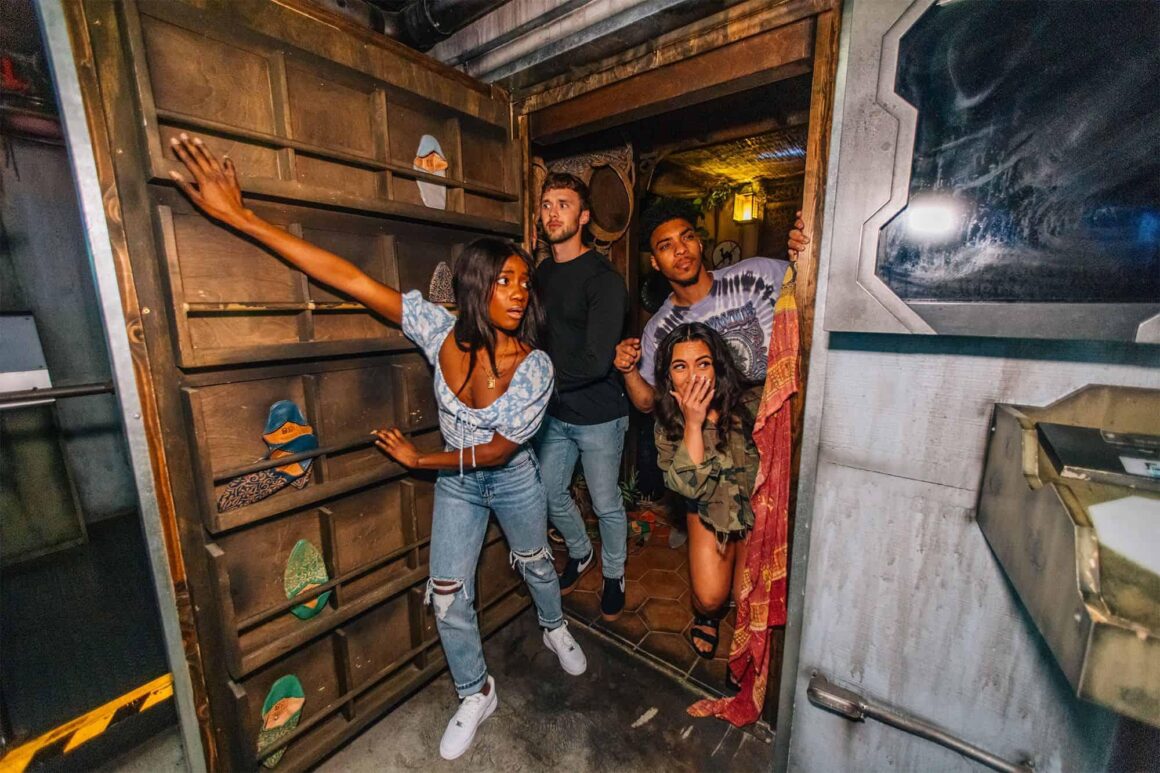
There’s a specific moment that happens in almost every group chat. Someone suggests going out. A few people throw in ideas. Dinner, drinks, maybe a movie. And then — silence. Not because nobody wants to go, but because nobody wants another predictable night.
That shift is exactly why searches for escape rooms in LA have quietly become the starting point for birthdays, dates, and even last-minute weekend plans. People are not just looking for a place to be — they’re looking for something to do together that actually feels different.
And in a city like Los Angeles, where options are endless but attention spans are short, that difference matters.
The format that makes people put their phones away without trying
An escape room sounds simple until you’re inside one. You’re given a mission, a limited time — usually around an hour — and a space filled with clues, puzzles, and small details that don’t make sense at first. Then something clicks. One clue leads to another, someone notices a pattern, and suddenly the whole group is moving with purpose.
What makes it work isn’t just the puzzles. It’s the structure. Everyone is involved at the same time. There’s no waiting for your turn, no passive watching. Even people who thought they would “just observe” end up searching, connecting ideas, or calling out things others missed.
Maze Rooms builds its experiences around that exact idea — immersive scenarios where teams have to explore, communicate, and solve together within a set time frame. The format is consistent, but the themes vary widely, which keeps repeat visits from feeling repetitive.
Los Angeles is built for this kind of entertainment
Some cities are better suited for escape rooms than others. Los Angeles is one of the best environments for it, and that’s not accidental.
The city already runs on storytelling — film, production design, set building. That same creative infrastructure naturally spills into physical experiences. Escape rooms here tend to feel more cinematic, more detailed, and more immersive compared to smaller markets.
Maze Rooms reflects that influence through its range of themes and locations across Los Angeles, including areas like West LA, Santa Monica, Culver City, and Koreatown. Instead of a single venue, it operates multiple locations, which allows for a broader mix of room designs and difficulty levels.
For players, that means choice — and choice is what keeps the experience fresh.
The difference between a good room and one people talk about later
Not every escape room leaves an impression. Some are functional — puzzles, locks, done. Others feel like stepping into a short story where the environment reacts to what you do.
That difference usually comes down to two things: atmosphere and flow.
A well-designed room doesn’t just give you tasks. It guides your attention without making it obvious. It builds tension at the right moments. It creates small surprises that feel earned rather than random.
Independent reviewers often point out that the best rooms balance challenge with clarity. If players feel lost too long, the experience breaks. If everything is too easy, it feels flat. The goal is that middle ground where the team is always engaged, even when stuck.
Maze Rooms has been noted for leaning into that balance — combining cinematic setups with puzzles that keep players moving rather than stalled.
Why group dynamics matter more than puzzle difficulty
Most people assume the main challenge in an escape room is solving the puzzles. In reality, it’s how the group works together.
A team that communicates well will outperform a smarter but disorganized team almost every time. Information needs to move quickly. Observations need to be shared. Small discoveries need to connect.
This is exactly why escape rooms are often used for team-building scenarios. Studies in simulation-based environments have shown that participants naturally practice communication, task delegation, and problem-solving under time pressure.
But outside of corporate settings, the same dynamic creates something more valuable — a shared win.
When a group escapes with seconds left, nobody remembers who solved which puzzle. They remember the moment it all came together.
Why repeat visits don’t feel repetitive
One of the reasons escape rooms continue to grow instead of fading out is simple: variety.
Unlike activities that rely on a single format, escape rooms evolve through themes. One visit might feel like a treasure hunt. Another might lean into mystery. Another might push into suspense or horror.
Maze Rooms emphasizes this variety with a large selection of themes, including adventure-driven scenarios and more intense, story-heavy experiences. That range allows people to choose based on mood, group type, or occasion.
For a casual outing, something lighter works. For a birthday or special event, a more immersive or high-stakes theme creates a stronger memory.
The flexibility is part of the appeal.
The industry didn’t disappear — it stabilized
There was a moment when escape rooms seemed like a trend that might fade. Instead, something else happened.
The industry stabilized.
Reports tracking the US escape room market have shown that the number of facilities has remained steady in recent years, sitting at around a couple of thousand locations nationwide. That kind of stability usually means one thing — the format works, and operators have refined it.
For players, this is good news. It means better-designed rooms, smoother booking systems, and experiences that feel intentional rather than experimental.
Planning it right without overthinking it
The best escape room experiences don’t come from overplanning. They come from matching the room to the group.
A smaller group will feel more focused and hands-on. A larger group can feel more energetic, but may need either a bigger room or multiple bookings to keep everyone engaged.
The key is not chasing the “hardest” room or the “most popular” one. It’s choosing something that fits the people who are actually going.
That’s where venues with multiple options — like Maze Rooms — become useful. Instead of forcing one experience to work for every group, they offer enough variety to make the choice feel natural.
Why it works for almost any occasion without changing much
The same format works for birthdays, dates, team outings, and casual weekends because the core experience doesn’t depend on the occasion.
It’s always about the same thing — solving something together under a bit of pressure, in a space that feels slightly removed from everyday life.
Everything else is optional. You can add food, celebrations, or keep it simple and just play.
That flexibility is rare. Most activities need to be adapted depending on the situation. Escape rooms don’t.
The reason people come back
It’s not the puzzles themselves.
It’s the feeling right after.
People step out of the room talking over each other, replaying moments, arguing about what almost went wrong, laughing about the one clue nobody saw. That energy lasts longer than the game.
And that’s why one visit usually turns into another.
For current themes, locations, and booking details across Los Angeles, visit Maze Rooms


