Loot Boxes, Slots and RNGs What Gamers Should Know
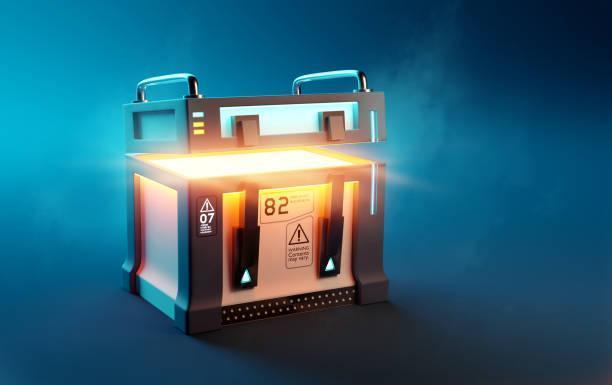
I’ll be honest: the first time I really thought about what loot boxes and slot machines have in common, I was standing in a casino in Vegas, watching someone pump quarters into a machine. And it hit me: this feels exactly like opening those damn loot crates in the games I play at home. That spinning animation, that little burst of excitement when you see what you got, the immediate urge to try “just one more time.”
Turns out, there’s a reason for that. These systems are built on the same foundation, and once you understand how they actually work, it changes how you look at both gaming and gambling. We’re talking about the machinery of randomness itself: the algorithms, the psychology, the whole setup that keeps us clicking and spinning.
The Mechanics Behind Random Rewards
So what’s actually happening when you open a loot box or pull that slot lever? It’s all about random number generators (RNGs for short). These things are everywhere, not just in games and casinos. Your weather app uses them. Encryption software relies on them. Hell, even those prize wheels at the mall or Instagram giveaway drawings run on similar systems. They’re designed to spit out unpredictable results within whatever rules have been set.
Here’s how it works in games: when you crack open a loot box, the RNG picks your reward based on odds the developers programmed in advance. Maybe there’s a 0.5% chance of getting that legendary skin you want. The system knows those odds, but you? You’re flying blind on each individual box. You could get lucky on your first try, or you could open fifty boxes and get nothing but garbage.
This creates what researchers call a variable reward schedule. Sometimes you win big, sometimes you don’t, and that unpredictability is incredibly powerful. It’s the same reason slot machines work so well.
Speaking of slots: they run on RNGs too, but with way more oversight in most places. Every spin is its own thing, completely independent from the last one. When you’re playing at a real money online casino, those RNGs have been tested and certified by gaming regulators. There are actual standards they have to meet. Compare that to loot boxes in games, which often operate in this weird grey area with basically no regulation at all. That difference matters more than you might think.
Where Gaming and Gambling Overlap
The whole divide between “gaming” and “gambling” has gotten pretty messy lately. Both industries have been stealing each other’s homework, and it shows.
Video game companies figured out that loot boxes could print money long after someone bought the base game. Some publishers keep it cosmetic (you’re just buying different looks for your character, no big deal). But others? They put actual power upgrades in those boxes, creating this pay-to-win mess where your wallet matters as much as your skill. The real problem kicks in when kids are involved, dropping their parents’ money chasing rare drops without any clue what the actual odds are.
Meanwhile, gambling platforms have gone full gamer mode. Progressive jackpots feel like boss fights. Achievement badges for regular players. The graphics and sound design have gotten slick and polished, borrowing all the visual tricks from modern AAA games.
And here’s the thing: both industries landed on the same psychological sweet spots. You know that feeling when you almost win? When the slot machine shows two jackpot symbols and you’re one away? Games do that too with their loot box animations. That near-miss lights up your brain the same way whether you’re in a casino or sitting on your couch. A rare legendary drop hits the same dopamine button as hitting it big on slots. Everything from the sounds to the visual effects to how fast things happen is all engineered to keep you hooked.
Understanding the Odds and Transparency
Here’s where things get frustrating. In regulated gambling, casinos have to tell you the odds. They publish something called return-to-player percentages. A slot with 96% RTP means that over thousands and thousands of spins, it’ll pay back $96 for every $100 wagered. You can look this stuff up before you play.
Loot boxes? Good luck finding that information. Some publishers started sharing drop rates after governments started asking uncomfortable questions, but plenty still don’t. And when you don’t know if that rare item has a 1% drop rate or a 0.01% drop rate, how are you supposed to decide if it’s worth your money?
This gets really ugly when we’re talking about kids. There was this study in the UK that found almost half of children between 11 and 16 had opened loot boxes. Most of them didn’t even realise they were basically gambling. They just thought it was part of the game.
My take? If real money’s involved and the outcome’s random, people deserve to know what they’re getting into. Doesn’t matter if it’s packaged as a slot machine or a treasure chest in some fantasy game. The mechanics are the same, so the transparency should be too.
Choosing Regulated Platforms and Safer Play
Platform choice matters. A lot. Regulated operators have to answer to someone. They get tested, audited and face actual consequences if they screw up. Unregulated ones? They can basically do whatever they want until someone stops them.
For online gambling, look for real licensing from actual authorities. These regulators make operators use certified RNG software, keep player funds separate from operating money and provide tools to help you control your gambling. That licence isn’t just decoration: it means someone’s watching them and they can lose everything if they cheat.
For games with loot boxes, do some homework on the publisher. Have they been called out for predatory practices? Do they actually show you the odds? Can you set spending limits or use parental controls?
Some practical stuff that’s helped me:
Look, gaming and gambling are going to keep borrowing from each other. That’s not changing. But understanding how RNGs actually work, recognising when you’re being psychologically manipulated and sticking to regulated platforms when real money’s on the line: that’s how you engage with this stuff without getting burned. The randomness is always going to be random. Your decisions about how to approach it don’t have to be.