Gacha games continue to evolve across platforms and play styles
From open-world RPGs to strategy-driven systems, gacha games keep adapting with different approaches to progression, combat and player engagement.
With each new release, gacha reward systems show new variations in how players progress.
Gacha games are no longer confined to a single format or audience. What was once closely tied to mobile platforms and simplified progression systems has gradually expanded into a wider space, where different genres and design philosophies coexist under the same model.
Today, it is possible to find gacha mechanics embedded in open-world RPGs, turn-based narratives and even customization-focused experiences. The randomized element remains central, but it no longer defines the entire experience. Instead, it operates alongside exploration, storytelling and combat systems that vary significantly from one title to another.
This structure helps explain why the model continues to appear across new releases. Data shared by KTO’s casino indicates that fast, probability-based interactions dominate engagement among users, with slot-style activities accounting for more than 93% of usage. In games, this logic is adapted into progression systems that reward repetition over time, while still relying on player agency through exploration and strategy.
Different directions, same foundation
What connects most modern gacha titles is not how they play, but how they are structured. Character acquisition, resource management and periodic updates remain consistent elements, even when the gameplay itself shifts from action to strategy or narrative-driven formats.
Some games lean toward scale and immersion. Others reduce complexity and focus on shorter gameplay loops. Together, they illustrate how flexible the model has become.
Genshin Impact and the open-world standard
Genshin Impact remains as one of the coolest gacha games and has helped redefine expectations around what the genre should look like. Its open world is built to be explored at a steady pace, with regions that introduce new mechanics, environmental puzzles and story arcs tied to different cultures.
Combat plays an important role, but it does not dominate the experience. The elemental system encourages players to experiment with team combinations, creating interactions that depend more on synergy than on individual characters alone. Over time, updates have expanded both the map and the narrative, reinforcing the idea of a game designed to be played continuously rather than completed.
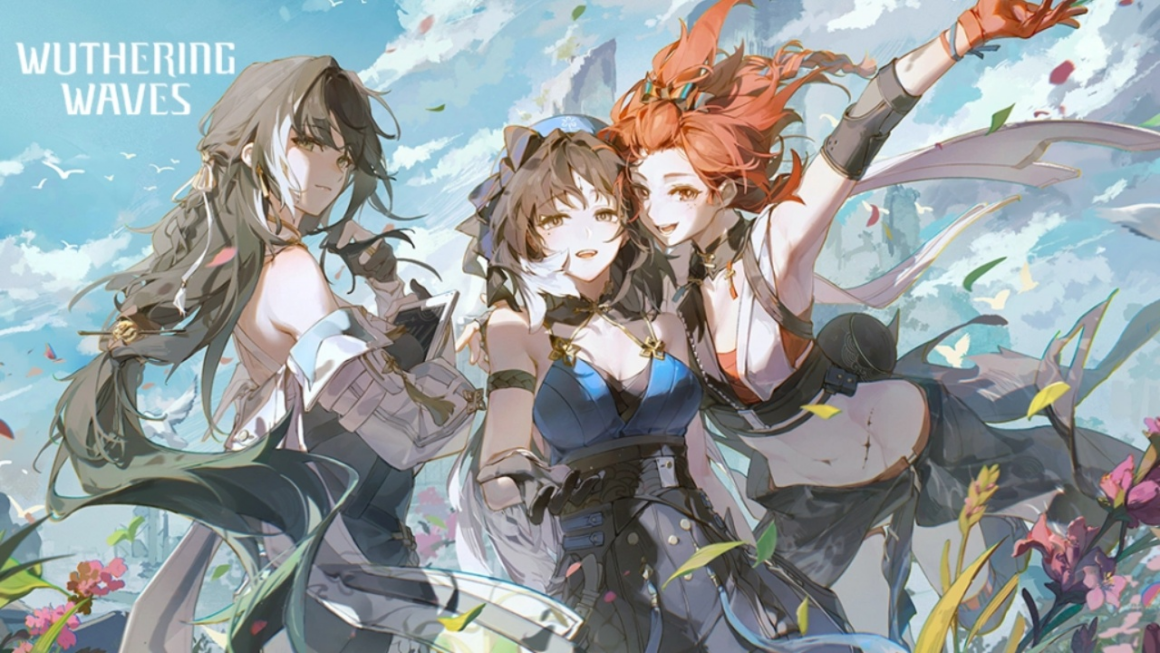
Wuthering Waves and combat-driven design
Wuthering Waves builds its identity around movement and responsiveness. Combat depends on timing, dodging and counterattacks, giving encounters a more active rhythm.
Exploration is still present, but it works in support of the combat system. Traversal mechanics allow players to move quickly through the environment, connecting fights and objectives without long interruptions. In this case, the gacha system directly affects how players approach combat, since character availability shapes possible strategies.
Zenless Zone Zero and a more direct structure
Not every gacha game aims for scale. Zenless Zone Zero adopts a more segmented format, where gameplay is divided into missions instead of a continuous world.
This structure results in shorter sessions and a faster pace. Combat is built around quick exchanges and team rotations, while the narrative unfolds in episodes. The setting also moves away from fantasy, focusing on an urban environment with a distinct visual identity.
Honkai: Star Rail and structured progression
While Genshin Impact emphasizes freedom, Honkai: Star Rail moves in a more controlled direction. Its turn-based combat system shifts the focus toward planning, where character roles and team composition determine the outcome of battles.
The pacing is also different. Progression follows a clearer structure, with chapters that guide players through the story. This makes the experience more predictable, especially for those who prefer defined objectives over open-ended exploration.
Infinity Nikki and progression beyond combat
Infinity Nikki takes a different approach by shifting progression away from battles. Instead of focusing on combat efficiency, the game connects abilities to outfits that allow players to explore and interact with the world.
This creates a loop centered on discovery and customization. Access to new areas depends on what the player can do with each set of clothing, placing exploration at the center of the experience rather than conflict.
Expanding franchises and long-running titles
Alongside newer releases, established titles continue to shape the genre in different ways.
Fate: Grand Order remains active largely due to its narrative structure. Each chapter introduces a new setting inspired by historical or fictional references, maintaining player interest through story progression and character collection. Its turn-based system remains unchanged, but the volume of content has sustained its position over time.
Arknights: Endfield represents a different type of evolution. By moving from a tower defense structure to a 3D environment with real-time elements, the game reflects how existing franchises are being adapted to meet new expectations. Strategy is still present, but it is now combined with exploration and direct control.
Watcher of Realms follows a more contained model, focusing on staged encounters and team management. Progression depends on how players allocate resources and combine characters, reinforcing a structure that prioritizes planning over exploration.
Gacha games continue to change without abandoning their core systems. Randomized acquisition is still part of the experience, but it is increasingly supported by mechanics that give players more control over how they progress.