
Mastering Weapons, Hill Challenges, and Investments in PlyBttlSquash: The Practical 2026 Guide
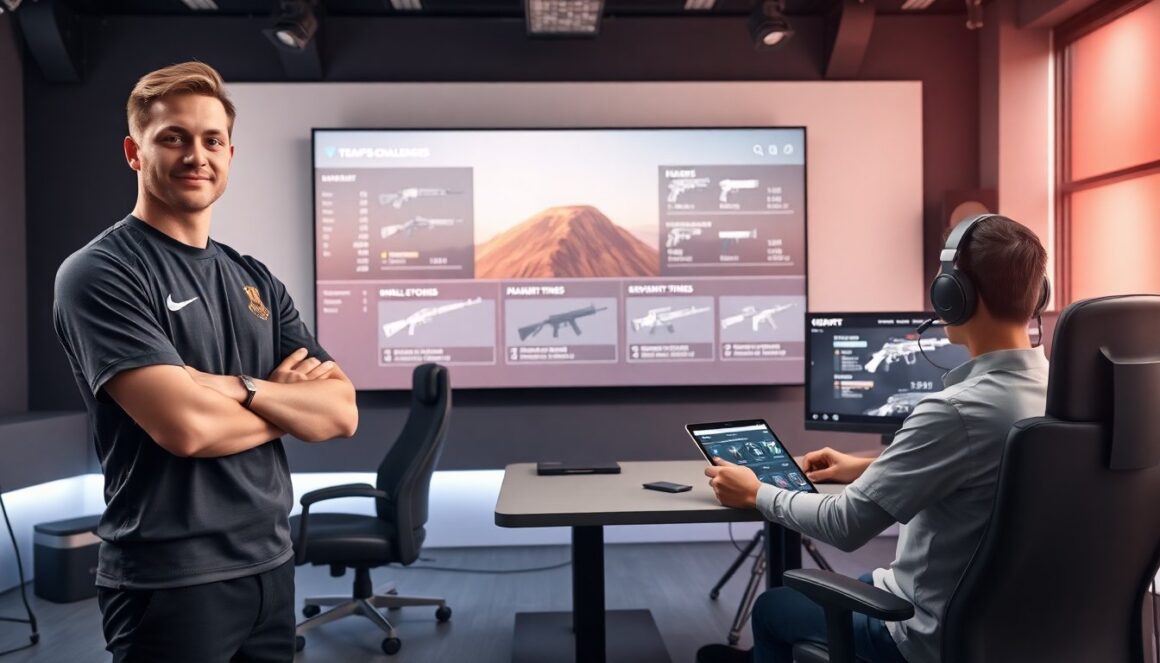
The term weapons challenges hill invest plybttlsquash describes core tasks in PlyBttlSquash. This guide explains game modes, weapon roles, hill control, challenge steps, upgrade choices, and practice routines. It aims to help players improve match results and resource returns. Readers will get direct advice they can apply in solo or team play.
Key Takeaways
- Weapons challenges hill invest plybttlsquash focuses on mastering game modes, weapons, hill control, and upgrades to improve match performance.
- Choosing the right weapons like rifles for mid-range and SMGs for flanking enhances hill control and objective success in PlyBttlSquash.
- Effective hill strategies involve timely rotations, controlling flanks, and using utility like smoke to maintain territory.
- Prioritize upgrading weapon mods, mobility perks, and utility cooldowns first to maximize in-game impact and resource efficiency.
- Managing challenges by aligning game modes with objectives and tracking progress accelerates completion and resource gain.
- Consistent practice routines and clear team communication using concise callouts significantly improve individual and squad performance.
Understanding PlyBttlSquash: Game Modes, Objectives, And Meta Overview
PlyBttlSquash offers conquest, timed hill, and elimination modes. Players join squads and capture objectives. The meta favors flexible loadouts and quick rotations. They focus on holding the hill for score in timed matches. They balance aggression with holding positions in conquest. The current 2026 meta values mobility and burst damage. Players who watch pro matches learn common routes and contest points. New players should focus on learning one mode first. They should master movement, basic aim, and objective timers before deep investment in upgrades. Clear objectives lead to better match choices.
Weapons Breakdown: Types, Strengths, And When To Use Each
PlyBttlSquash divides weapons into rifles, shotguns, SMGs, marksman rifles, and gadgets. Rifles give steady damage and range. Shotguns give high close damage and space denial. SMGs give mobility and fast fire for flanking. Marksman rifles give one-shot range picks for hold defenders. Gadgets provide utility such as smoke, deployables, or area denial. Players choose rifles for mid fights and SMGs for hill entry. They pick shotguns for tight maps and marksman rifles for long sightlines. They rotate weapons based on map lanes and team roles. Proper choice increases hill control and objective success.
Weapon Synergies And Loadout Builds For Common Playstyles
Attackers pair an SMG with a rifle to win close and mid fights. Defenders carry a marksman rifle and a shotgun for pick-and-hold. Support players take gadgets and medium rifles to assist pushes. A common loadout uses a rifle, SMG, and two utility slots. Players add healing or smoke to sustain hill holds. They swap ammo types for map sightlines. Loadouts should match team composition and objective timing. Teams that coordinate synergies see higher hill retention. They adjust builds after each match to counter the enemy setup.
Controlling The Hill: Map Strategies, Rotation Paths, And Timing
Players reach the hill before the timer ends. Teams secure flank lanes and cut sightlines. They assign one player to anchor and two to contest. Rotation paths use side lanes to avoid choke points. Players watch the mini-map for enemy pushes. Timing matters: teams rotate two seconds before spawn shifts. They use smoke and flashes to force enemies out of cover. They trade kills to deny enemy momentum. When the hill locks, teams set traps near exits. Simple, repeated paths reduce confusion and increase hold time.
Challenge Management: How To Complete Hill Objectives Efficiently
Players read challenge timers and plan sessions around short windows. They prioritize weekly challenges that give high resource returns. For hill objectives, they join matches with compatible modes to stack progress. Players complete repeatable tasks such as capture counts and defensive time. They track progress in the challenge menu and avoid wasting queue time on mismatched modes. Solo players queue with a duo to control roles. Teams split tasks so one player focuses on captures while others handle kills. Efficient tracking and focused play shorten challenge completion time.
Investing In Upgrades: Where To Spend Resources For Maximum Impact
Players spend resources on weapon mods, mobility perks, and utility cooldowns first. Weapon mods improve recoil, damage, or reload speed. Mobility perks raise sprint speed and slide recovery for hill plays. Utility cooldowns let teams use smoke and deployables more often. Players delay cosmetic purchases until performance upgrades finish. They test one upgrade at a time to measure benefit. They save rare currency for a high-impact item like a marksman mod for specific maps. Smart investment increases win rate and reduces repeated grinding for the same challenge.
Practice Routines And Team Communication To Level Up Consistently
Players set short daily drills for aim, recoil, and movement. They warm up with 15 minutes of tracking and 10 minutes of close-range drills. Teams run one custom match to practice rotations and callouts. Players keep communication clear and use two-word callouts for position. They record matches and review one key mistake per session. Players follow health and sleep habits to keep reaction times sharp, and teams build consistent schedules. The five pillars of performance guide this work in esports training, which supports better practice outcomes when applied to routine planning. performance principles


