
Desert Skins Order: A Critical Look At Multiplayer Skins And The ‘Plybttlesqdthy’ Controversy (2026)
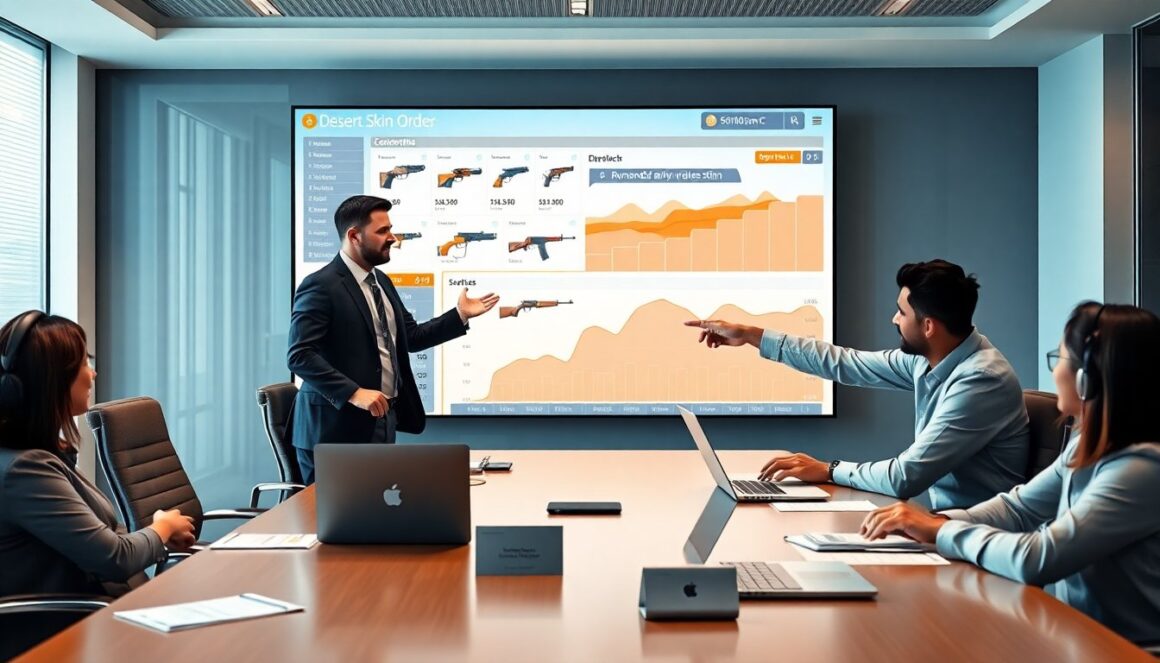
Multiplayer skins desert order critique plybttlesqdthy appears across forums and patch notes. The phrase describes a specific set of cosmetic drops and a related complaint. The classes missions forest shop analysis playbattlesquint article explains what the Desert Skins Order is, how the items work, and why the ‘Plybttlesqdthy’ critique matters to players and creators.
Key Takeaways
- The Desert Skins Order offers tiered rarity multiplayer skins that influence player visibility, market trade, and gameplay perception.
- The ‘Plybttlesqdthy’ critique highlights player concerns about fairness and monetization in the distribution of Desert Skins Order items.
- Developers responded to feedback by improving drop rate transparency and simplifying skin effects to balance aesthetics and competitive fairness.
- Players and traders are advised to set budgets, track purchases, and be cautious with speculative market prices of multiplayer skins.
- Streamers should maintain transparency about sponsorships and drop data to build trust with their audience.
- Developers can rebuild player trust by sharing clear metrics, testing impacts on gameplay, and offering direct-sale options for rare cosmetics.
What The Desert Skins Order Is And Why It Matters To Multiplayer Communities
The Desert Skins Order names a themed release of cosmetics for several multiplayer shooters. The set contains sand-pattern skins, limited palettes, and a small set of animated effects. Developers released the goods in seasonal drops tied to in-game events. Players value the set for its visual identity and for trade value on third-party markets. The Desert Skins Order affects matchmaking perception when players use rare items. The presence of these skins creates micro-markets and community goals. The label ‘Plybttlesqdthy’ entered player chats after a high-profile stream criticized the distribution method. That critique changed how many players view the drops and how creators plan future releases.
Design, Rarity, And Monetization: How The Skins Are Structured
The Desert Skins Order uses tiered rarity and a mix of paid and earned access. The base skins appear at common rarity. Mid-tier variants add metallic trims and small particle effects. The top-tier designs carry unique silhouettes and rare animation loops. The release bundled randomized crates, direct-purchase options, and a battle pass track. The monetization model encouraged repeat purchases by placing a few top items behind low-percentage drops. Analysts noted the model increased short-term revenue but raised fairness questions. The design team defended the choices by citing player engagement metrics and retention goals. Streamers and traders responded with coordinated feedback that focused on drop rates, wallet pressure, and value transparency.
How Design Choices Affect Play: Visibility, Hitboxes, And Competitive Balance
Design choices change how players see each other and how matches feel. Bright trims increase visibility in sandy maps. Animated loops distract some players during duels. The skins do not alter hitboxes, yet perceptions of hit registration shift when weapons look different. Competitive players reported small timing errors when switching between standard and decorated models. Developers issued a performance patch to address animation stutter. The design team later simplified effects on ranked maps to reduce visual noise. These changes aimed to balance style and fairness without removing the skin options.
Community Reaction And The ‘Plybttlesqdthy’ Critique — Voices, Evidence, And Impact
Players voiced fast, direct complaints after the Desert Skins Order launch. The core critique labeled ‘Plybttlesqdthy’ claimed that the release prioritized profit over play. Streamers collected data on drop frequencies and shared screenshots of duplicate haul. Small trading communities tracked price movements and posted spreadsheets. The data showed a steep initial spike in market prices for top-tier items followed by a sharp correction. That pattern supported player concerns about speculation. Influential creators published videos that framed the release as exploitative. Some community members defended the developers and argued that optional cosmetics fund live operations.
The debate also touched esports and culture. Analysts wrote about how cosmetic economies shaped game narratives and viewership. The pattern resembles other cases where a high-profile release generated backlash and then policy changes. The exchange of critique and developer response led to two outcomes: clearer published drop rates and a limited-time buyback window for affected players. The move reduced tension but did not erase distrust among some traders. The community continues to monitor future releases for similar patterns.
Practical Recommendations For Players, Streamers, And Developers
Players should set a budget and track purchase outcomes. They should treat the Desert Skins Order items as optional upgrades and avoid chasing low-percentage drops. Traders should verify prices across markets and wait for post-launch corrections before selling. Streamers should disclose any sponsored access to crates and present raw drop data to their audience. That transparency helps viewers judge value and maintain trust.
Developers should publish clear drop probabilities and report sales metrics for seasonal items. They should test visual impact on ranked maps before launch. They should consider direct-sale windows for rare items to reduce speculative spikes. The team at etruesports recommends educational posts that explain why certain items cost more and how they affect play. The site also keeps guides on building a cost-effective collection and on selecting an ideal cs2 skin set for lower budgets, which helps players decide before buying. Developers who act on clear data and who show the math behind choices tend to rebuild player trust faster.


