PlayBattleSquare In Minecraft: The Complete 2026 Guide To Playing, Hosting, And Winning
Contact playbattlesquare is a fast PvP minigame in Minecraft. The guide explains how to join matches, how to host games, and how to win more often. It gives clear rules, controls, and simple strategies. It suits players who want quick matches and serious practice. The article uses stepwise tips and direct language to help players learn fast.
Key Takeaways
- Minecraft PlayBattleSquare is a fast-paced PvP minigame focused on quick rounds and sharp skills, ideal for players seeking intense practice.
- Joining or hosting a PlayBattleSquare match involves selecting game modes, configuring arenas, and managing kits and rules for fair play.
- Mastering PlayBattleSquare requires understanding core mechanics like movement, knockback, aiming, and strategic positioning on the arena tiles.
- Effective strategies include controlling space, timing attacks, managing resources wisely, and adapting quickly during rounds.
- Avoid common mistakes such as tunnel-vision, wasteful sprint use, and panic swings to improve match outcomes in PlayBattleSquare.
- Engaging with the community through tournaments, practice routines, and clear communication enhances both skill and enjoyment in PlayBattleSquare.
What PlayBattleSquare Is, Popular Game Modes, And How To Join Or Host A Match
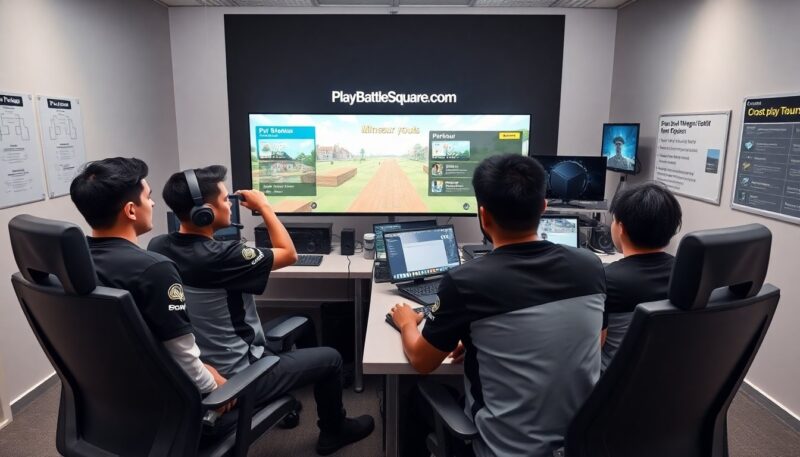
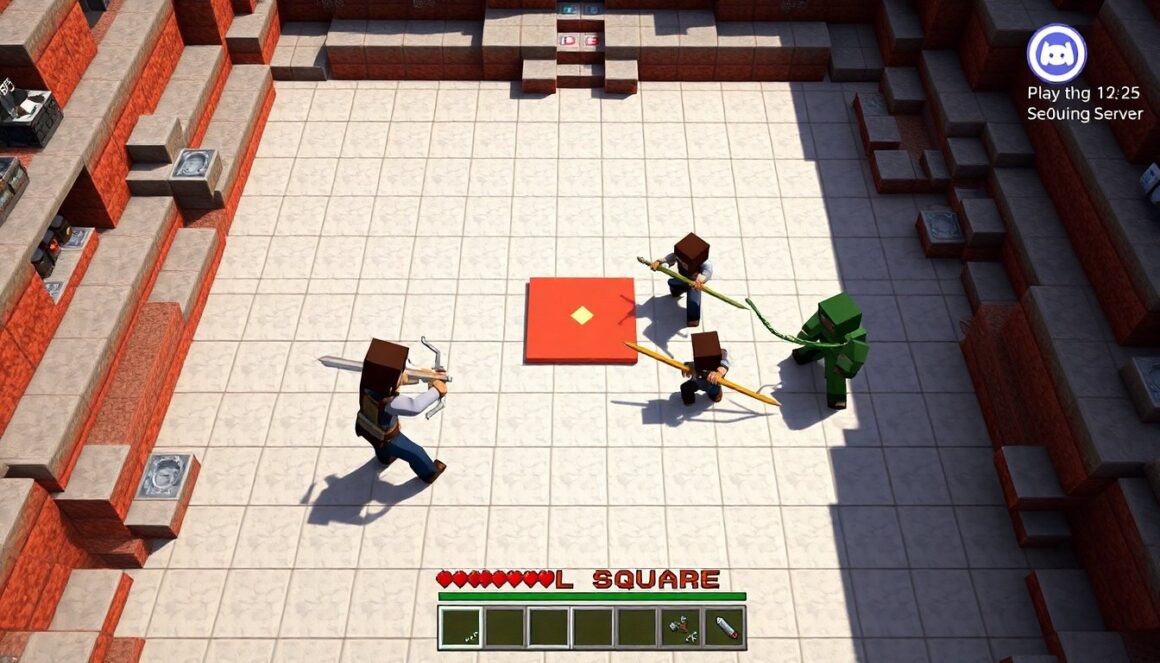
PlayBattleSquare is a Minecraft minigame that pits players on a small square arena. Players fight with limited gear and timed rounds. The game tests aim, movement, and quick decision-making. Servers often run variants. Classic free-for-all places each player on a tile. Team deathmatch pairs players into two groups. Last-person-standing modes remove respawns.
How to join a match. Players connect to a server that hosts PlayBattleSquare. They select the PlayBattleSquare lobby from a server menu or use a direct command. Servers show player count and mode. Players vote on maps when servers allow voting. Players ready up and wait for the countdown.
How to host a match. A host installs a PlayBattleSquare plugin or datapack. The host configures arenas, spawn points, and inventories. The host sets round length, kit items, and respawn rules. The host tests the arena with bots or friends before public play. The host assigns admins to manage grief, team balance, and votes.
Server tips. Choose flat, symmetric maps for fair play. Limit lag by setting view-distance and tick rate. Use clear signboards to show rules and kits. Offer several kit presets so players pick roles fast. Log match results to track balance and penalties for exploiters.
Community and servers. Popular servers list PlayBattleSquare in minigame sections. Players join communities on Discord for scheduled events. Hosts run tournaments with prizes to attract players. Streamers and content creators often spotlight fast matches to show skill.
How To Play PlayBattleSquare: Rules, Controls, And Core Mechanics
Basic rules. Players spawn on separate tiles or in team areas. Each round gives a fixed kit and a time limit. The last player or team alive wins the round. Early matches emphasize positioning and quick trades. Players may pick up few items on the ground depending on server rules.
Controls and loadout. Players use standard Minecraft movement and sprint for dodging. They use mouse aim for hits and right-click for shields or items. Common kits include a sword or axe, a bow with low arrows, a small food stack, and a single healing item. Servers often give a leather or chain armor set to limit one-hit kills. Players must learn to switch items fast to block and attack.
Core mechanics. Arena edges punish players by knocking them into void damage. Arena tiles may have hazards like trapdoors or pressure plates. Knockback and critical hits decide outcomes in close fights. Bow control matters at medium range. Players who strafe while timing hits win more trades. Players use crouch to avoid falling off edges and to steady aim.
Match flow. Rounds start with a countdown. Players rush to control center or hold defensive tiles. Mid-round play shifts to fights and zone control. Late rounds force close combat as safe tiles shrink or hazards activate. Winners gain rank or rewards depending on server.
Safety and fair play. Players report cheaters to server staff. Hosts use anti-cheat plugins to block aim assistance and speed hacks. Players avoid exploiting bugs and follow server rules to keep matches fair. Servers ban repeat offenders.
Advanced Strategies, Common Mistakes, And Pro Tips To Win More Matches
Advanced positioning. Players control space by occupying center tiles and cutting off retreat paths. Players bait opponents toward arena edges to create easy knockbacks. Players switch between aggressive pushes and quick retreats to break enemy timing.
Aim and timing. Players practice short bursts of aim training to land hits under pressure. Players time critical hits during strafes to increase damage. Players alternate between bow shots and melee to keep opponents off balance.
Movement and knockback. Players use sprint toggles to manipulate knockback. Players step-strafe to avoid predictable paths. Players time jumps to reduce incoming hit speed. Players avoid standing on a single tile for too long when enemies have ranged options.
Resource management. Players save healing items for clutch moments. Players avoid wasteful arrow shots in early fights. Players pick up dropped items quickly when safe to do so. Players choose kits that match their playstyle and train with that kit.
Common mistakes. Players tunnel-vision on a single opponent and ignore flanks. Players waste sprint and become easy targets. Players overcommit to risky jumps near void zones. Players panic-swing and miss timed blocks.
Pro tips. Players warm up with short aim drills before queuing. Players watch quick replays to learn from mistakes. Players use small sound cues such as block placement and steps to predict enemy moves. Players communicate concise callouts in team modes: “left edge,” “center push,” “one low.”
Tournament play. Hosts enforce strict kit rules and map pools. Players study maps to learn safe spots and hazard triggers. Players keep a calm mindset and focus on one round at a time. Players adapt quickly to opponents and switch tactics when needed.
Practice routine. Players spend time in aim maps and boxing arenas. Players simulate PlayBattleSquare rounds with friends to practice rotations. Players track win-loss patterns to find weak points and then drill those skills.
Closing note. Players who practice aim, control space, and manage resources win more. Players who respect server rules keep matches fair and fun. Players who share tips in community channels improve faster together.