Open-World Story Games: How To Find Living Narratives You’ll Actually Want To Play In 2026
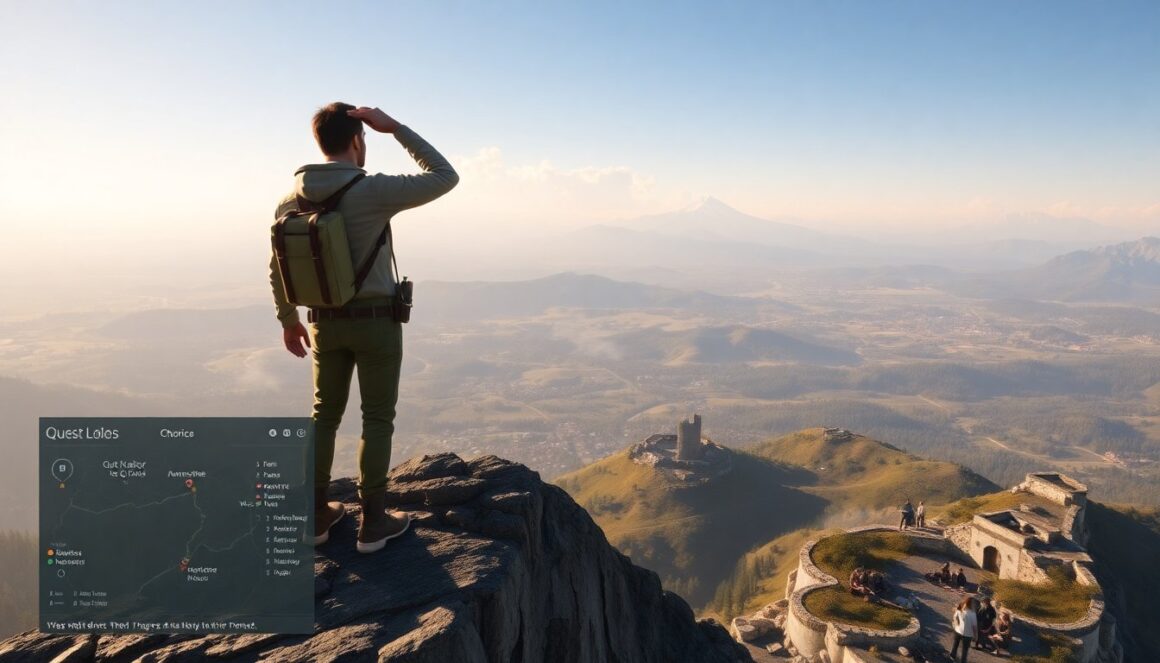
Open world story games put players into large maps that host ongoing tales. The player moves, decides, and uncovers plot threads across zones. The article explains what makes these games work, which mechanics support living stories, and how to pick a title that fits a player’s style.
Key Takeaways
- Open world story games uniquely combine expansive maps with engaging narratives, allowing players to influence plot threads as they explore.
- Core mechanics like choice, consequence, and dynamic NPC behavior support immersive storytelling and a living game world.
- Top open world story games span genres from action RPGs to survival-based titles, each offering different narrative focus and gameplay styles.
- Developers balance player freedom with a coherent narrative by using story anchors and layered storytelling, preserving plot clarity while encouraging exploration.
- Choosing the right open world story game involves matching personal preferences like choice or world detail to suitable genres and setting clear play goals.
What Makes An Open-World Story Game Unique
Open world story games combine scale with narrative. They place a main plot inside a broad environment. Players explore towns, wilderness, and side content. The game gives story beats both as scripted scenes and as emergent moments. A successful game keeps story threads active as the player moves. The player feels that actions change the world. Titles that emphasize character growth and setting tend to stand out. Reviewers often highlight how well a title blends main quests with optional stories. For players who want deep context, articles about games with deep lore point to strong examples. Fans who prefer linear plots can compare lists of story driven games to see differences in pacing and focus.
Core Mechanics That Support Strong Open-World Stories
Mechanics give structure to open worlds. Systems like choice, consequence, and world states let plot respond to the player. NPC schedules and dynamic event triggers make towns feel alive. Progression systems tie player power to story access. Dialogue tools shape character relationships. The right mechanics keep the main plot clear while letting side content matter. Writers and designers must align mechanics with narrative goals. The next subsection lists concrete mechanics and how they push story forward.
Top Open-World Story Games To Try Right Now (Genres And What They Do Best)
Action RPGs blend combat with quest-driven plots. They highlight progression and personal stakes. Western RPGs focus on player choice and world reaction. They offer broad freedom and multiple outcomes. JRPG-influenced open games emphasize characters and set-piece scenes. They often present tighter main plots inside large maps. Survival-based open worlds create tension through scarcity and risk. They let simple actions acquire narrative weight. Fans who want character-driven arcs can read about story focused games to find matches. Those who want strong emotional beats can consult lists of emotional story games. Review sites like RPG Site and Siliconera publish targeted reviews that help match genres to player tastes.
How Developers Balance Player Freedom With A Coherent Narrative
Developers set boundaries to protect story clarity. They use soft gates like level checks and narrative beats tied to locations. They place mandatory scenes that advance the plot. They allow exploration between those scenes. Writers create anchor moments that define the arc. Designers then let players roam in the spaces between anchors. Another tactic uses layered storytelling. The main plot runs as a clear thread while side stories offer depth. This method keeps players free while preserving narrative meaning. Coverage on story rich games shows how teams carry out these layers. Industry sites such as Twinfinite analyze design choices in detailed postmortems.
How To Choose The Right Open-World Story Game For Your Playstyle (And Get The Most From It)
A player should first list what matters most: choice, character, world detail, or action. They should then match that priority to a genre. If they want branching paths, they should pick games known for choice and look at story driven games for examples. If they prefer deep setting, they should choose titles noted as games with deep lore. Players who like evolving systems can try open RPGs or gacha games that mix progression with narrative hooks. They should read reviews and guides before buying. They should also set play goals: follow the main plot, focus on side tales, or explore freely. Finally, players should adjust difficulty and save often to protect narrative choices and experiment without fear.