How to Stay Organized and Productive with a Personalized Calendar
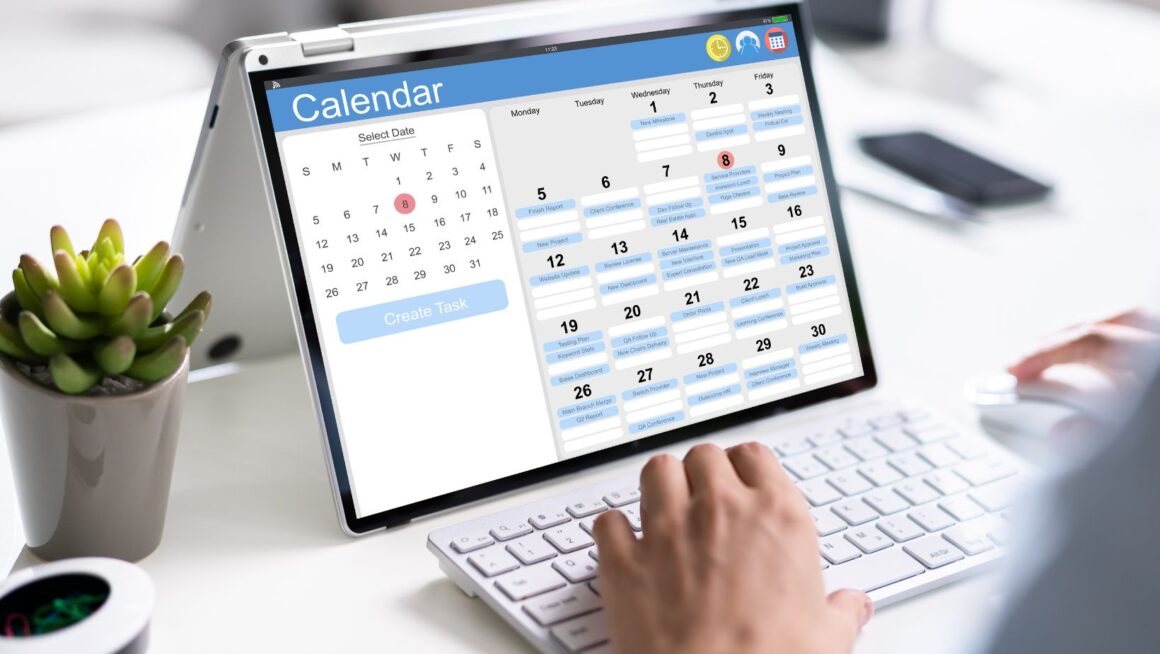
In today’s fast-paced world, staying organized isn’t just a nice-to-have, it’s essential. Between work deadlines, family commitments, social events, and personal goals, it’s easy for days to slip through the cracks. A well-planned calendar can transform chaos into clarity, helping you see what matters most and allocate your time effectively. But not all calendars are created equal. The best ones reflect your priorities, inspire action, and adapt to your lifestyle.
Why Custom Calendars Make a Difference
Off-the-shelf calendars are convenient, but they often fail to capture your unique schedule and creative flair. This is where designing your own calendar comes in handy. Imagine a tool that allows you to select layouts, add personal photos, highlight important dates, and even color-code events by category. With a calendar maker, creating something that is both functional and visually appealing becomes effortless. It’s not just about marking dates, it’s about making your calendar a tool you genuinely enjoy using, which can dramatically boost your productivity.
Consider this scenario: Sarah, a freelance designer, struggled to balance client deadlines with personal projects. When she switched to a custom calendar, she could visually separate work priorities from personal goals, track progress on long-term projects, and even set small weekly rewards for herself. The result? Less stress, fewer missed deadlines, and a real sense of accomplishment at the end of each week.
Choosing the Right Layout for Your Needs
A calendar’s layout can make or break your organizational flow. Monthly views provide a big-picture overview, perfect for spotting busy weeks or planning vacations. Weekly layouts offer a more detailed perspective, helping you allocate time to specific tasks, appointments, and meetings. Daily layouts are ideal for highly structured schedules or for those who love crossing off to-dos at a micro level.
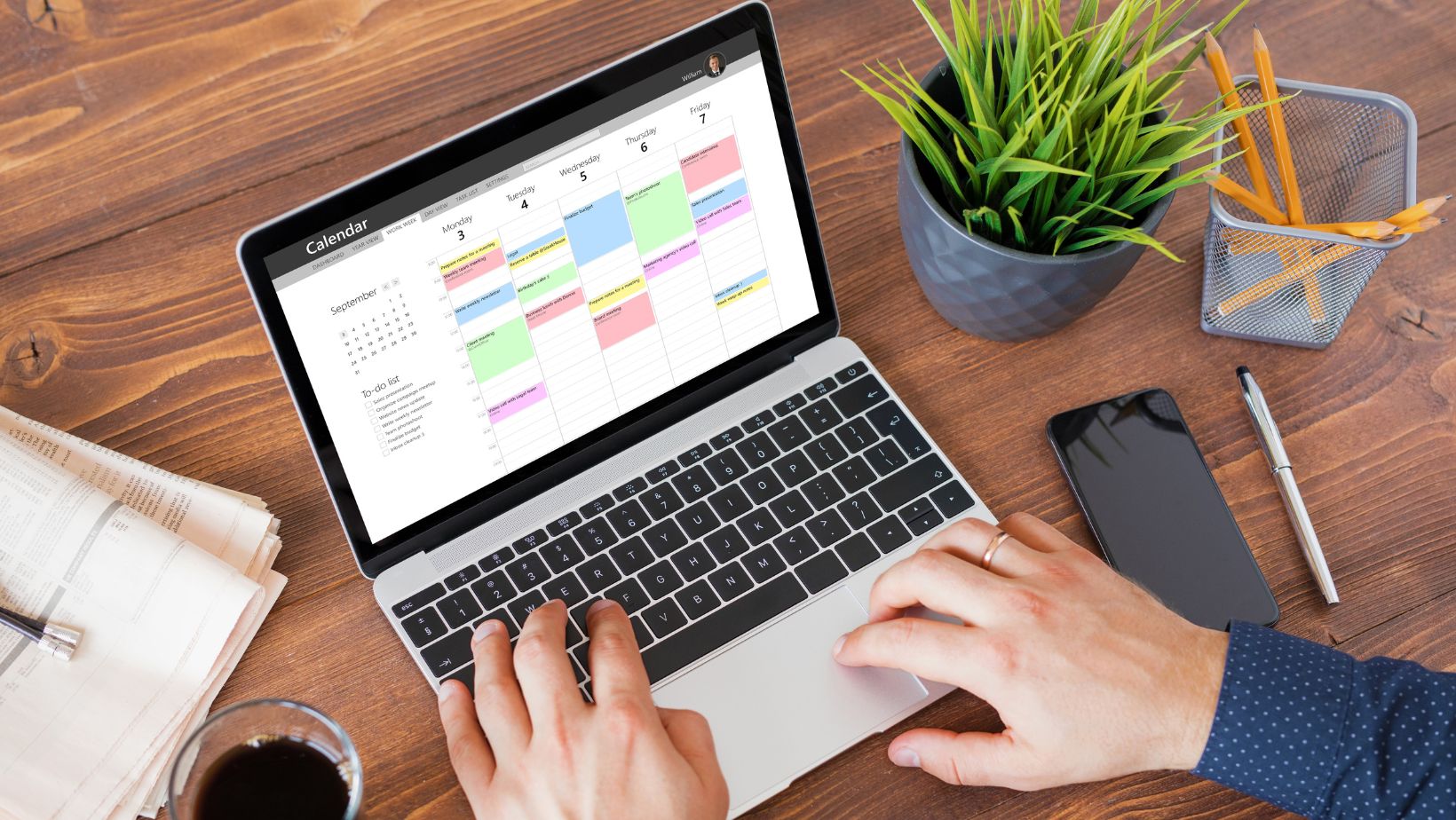
When designing your calendar, think about how you naturally process time. Are you a visual thinker who thrives on color-coded events? Or do you prefer a minimalist approach with just the essentials? The key is to create a system that feels intuitive, so you’re more likely to stick with it.
Incorporating Personal Elements
One of the biggest advantages of a custom calendar is the ability to make it personal. Photos of loved ones, motivational quotes, or reminders of your hobbies can turn an ordinary scheduling tool into a source of daily inspiration. For families, this could mean including children’s artwork or important school dates. For professionals, it might be milestone reminders or a tracking system for career goals. Personal touches not only make the calendar visually appealing but also increase your engagement with it.
Tips for Staying Consistent
Even the most beautifully designed calendar is useless if it’s not maintained. Here are some actionable strategies to ensure consistency:
- Set a weekly review time: Pick a specific day, like Sunday evening, to review the upcoming week, update events, and reflect on accomplishments.
- Use color codes: Assign colors to different categories, work, personal, fitness, family, to make your calendar instantly readable.
- Include buffer times: Life is unpredictable. Block off short periods between meetings or tasks to avoid feeling overwhelmed.
- Incorporate goals: Whether it’s reading a book, exercising, or learning a new skill, track progress visually to maintain motivation.
Digital vs. Physical Calendars
While digital calendars offer convenience and reminders, physical calendars provide a tactile experience that can boost memory retention and engagement. Many people find that physically writing events down helps them remember tasks better. The good news is, with a custom calendar, you can often combine the best of both worlds, design a digital version for quick updates and print a physical version to display on your desk or wall.
Real-Life Impact
People who consistently use personalized calendars report higher productivity, reduced stress, and improved time management. The act of planning your days deliberately encourages mindful decision-making. For example, freelancers who track billable hours and project deadlines using a custom calendar often find they have more time for personal hobbies. Parents using family calendars can reduce conflicts and miscommunications about schedules. Even students can benefit from visualizing exams, assignment deadlines, and extracurricular activities, leading to better academic performance.
Conclusion
A thoughtfully designed calendar is far more than a simple date tracker, it’s a roadmap for your time, a visual motivator, and a tool that can positively transform daily life. By investing a little time upfront to create a personalized layout and incorporating elements that inspire you, staying organized becomes effortless. The right calendar can turn planning from a chore into a satisfying routine, helping you achieve your goals while keeping stress at bay.