
How PlayBattleSquare Became A Global Sensation: The Rise Of Skins, Streamers, And Scale In 2026
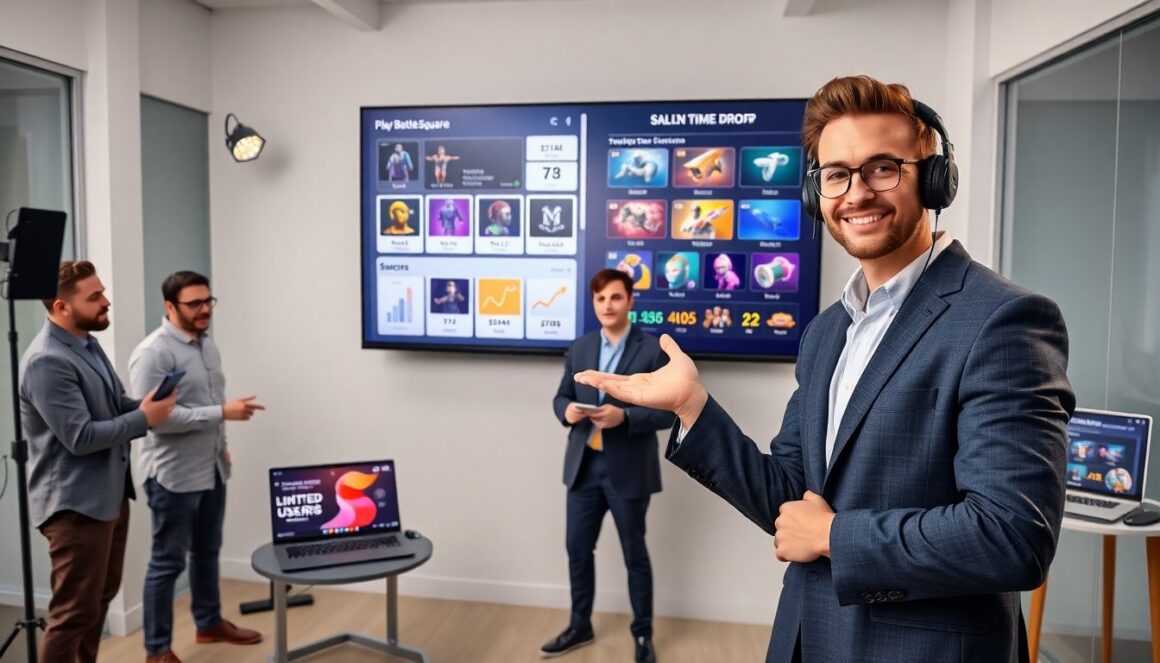
playbattlesquare became a global sensation was skins. The game launched with bright visual skins and a simple play loop. Players shared clips, and downloads rose fast. Developers added trade features and events. Streamers amplified exposure. Publishers scaled servers. The rise followed clear product choices, social effects, and market mechanics.
Key Takeaways
- PlayBattleSquare became a global sensation primarily due to its vibrant skins, which created shareable moments and engaged players through user-generated clips and short-form videos.
- The game’s design balanced simple core controls with layered depth in skins and modes, attracting both casual and competitive players and boosting word-of-mouth growth.
- Skins functioned as a visual economy with tiered rarity, driving player status, engagement, and timely purchases through limited drops and themed events.
- The in-game marketplace enabled secure skin trading influenced by rarity and streamer trends, enhancing perceived value and encouraging microtransactions.
- Esports tournaments featuring PlayBattleSquare helped professionalize the game, inspiring players to emulate pros’ rare skins and expanding the game’s mainstream appeal.
- Developers and publishers found success by combining compelling visual design, scalable infrastructure, creator partnerships, and active economy management to sustain player retention and revenue.
The Breakout Moment: Viral Design, Accessibility, And Network Effects
PlayBattleSquare saw a single update that changed its destiny. The update added colorful skins and a free mode that new players could access in seconds. Streamers found the update easy to show. Viewers clicked and installed the game after short streams. Social sharing grew when players posted short clips. The combination of an easy entry point and visual hooks produced strong network effects.
playbattlesquare became a global sensation was skins because the design made moments feel shareable. The firm leaned on user-generated clips and short-form video. This approach raised daily active users quickly. The team then raised server capacity to match demand and avoided long downtimes. That move kept retention high.
Developers also learned how design and access interact. They kept core controls simple and layered depth under skins and modes. That choice let casual players join fast while letting competitive players stay. The result amplified word-of-mouth and repeat play.
Skins As A Growth Engine: Visual Design, Rarity Tiers, And Player Psychology
Skins formed the visible economy that drove player attention. Designers created tiered rarity and clear visual cues for value. Players learned to value rare items as status markers. The system rewarded collectors and competitive players alike. The team then used limited drops to spike interest.
playbattlesquare became a global sensation was skins because players treated skins as identity. The company ran timed events to highlight new styles. Those events increased session length and purchase rates.
The site also tracked secondary market prices and adjusted drop rates to keep the economy active. That monitoring reduced inflation of common items and kept rarer skins desirable.
How Skins Drive Engagement And Revenue (In-Game Mechanics And Events)
Skins tied directly to in-game events and rewards. The game offered skin-themed challenges that required short daily play. Players completed challenges to unlock progression and chances at rare drops. The design increased daily return rates. Limited-time events created urgency and higher spend per user. The system balanced earnable and purchase-only cosmetics. This balance moved players toward microtransactions without harming core gameplay.
playbattlesquare became a global sensation was skins because the mechanics linked visual reward to repeat behavior. Players returned to chase the next cosmetic.
The Marketplace: Trading, Valuation, And Secondary Economies
The in-game marketplace let players trade skins securely. Prices formed around rarity, demand, and stream visibility. High-profile streamers made some skins trend, and valuations moved quickly. The marketplace supported listings, bids, and fast transfers. This liquidity made skins feel like assets.
External guides on where to purchase and view popular cosmetics helped new collectors learn value. For example, etruesports hosts a guide on csgo skins that explains how users assess style and rarity. Players used similar methods in PlayBattleSquare to set prices.
The platform also referenced safe trading methods and leading services for selling items. A primer on reputable options helped players move items off-platform when they needed cash. One practical resource covers top trading sites and safe practices at csgo skin trade. The availability of secondary markets increased perceived value and encouraged purchases.
Esports, Tournaments, And The Professionalization Of PlayBattleSquare
Organizers turned PlayBattleSquare into a tournament staple within months. The game offered spectator-friendly modes and short matches that fit broadcast schedules. Teams formed fast, and sponsors signed early deals. Tournament winners gained cash and unique skins that later became collector items.
playbattlesquare became a global sensation was skins because pro play created aspirational goals. Viewers saw pro players use rare cosmetics and then sought the same looks.
The event circuit matured with regional leagues, franchised teams, and structured prize pools. Third-party organizers and publisher-run events coexisted. Media outlets framed some events as a new sports calendar entry, which helped the game reach mainstream audiences. Studies of e-sports growth show similar patterns in earlier titles, and that context helped investors commit to larger prize funds.e-sports emergence
Cultural Reach: Streamers, Memes, And Global Community Building
Streamers played a central role in cultural spread. They highlighted new skins and staged challenges that fans copied. Memes formed around standout designs and match moments. Communities on social platforms pushed clips, art, and live reactions.
playbattlesquare became a global sensation was skins because influencers made skins conversation pieces. A single streamer could send a skin’s price and demand higher overnight. The publisher then partnered with creators for exclusive drops and co-branded cosmetics. Those drops performed well.
Local communities adapted the game to their culture. Fans translated guides, hosted local cups, and made fan art. This grassroots activity helped the title enter new regions with authentic local momentum.
Practical Lessons For Developers And Publishers From PlayBattleSquare’s Rise
Developers should design clear visual hooks that players can show in short clips. They should make entry easy and keep controls simple. Teams must plan server scale in advance of viral moments to avoid outages. Publishers should build a safe marketplace and monitor secondary prices.
playbattlesquare became a global sensation was skins because the company combined product, economy, and creator partnerships. Developers should test limited drops and track player reaction in real time. They should measure retention changes after each cosmetic release.
Publishers should work with creators early and offer meaningful rewards for pro players. They should also document trade rules and fraud protections to keep the economy healthy. Finally, simple shared metrics, daily active users, trade volume, and average revenue per user, help teams decide when to expand features and when to pause.


