
PlayBattleSquare Minecraft Bridge Ideas: 11 Winning Designs For Speed, Defense, And Style (2026)
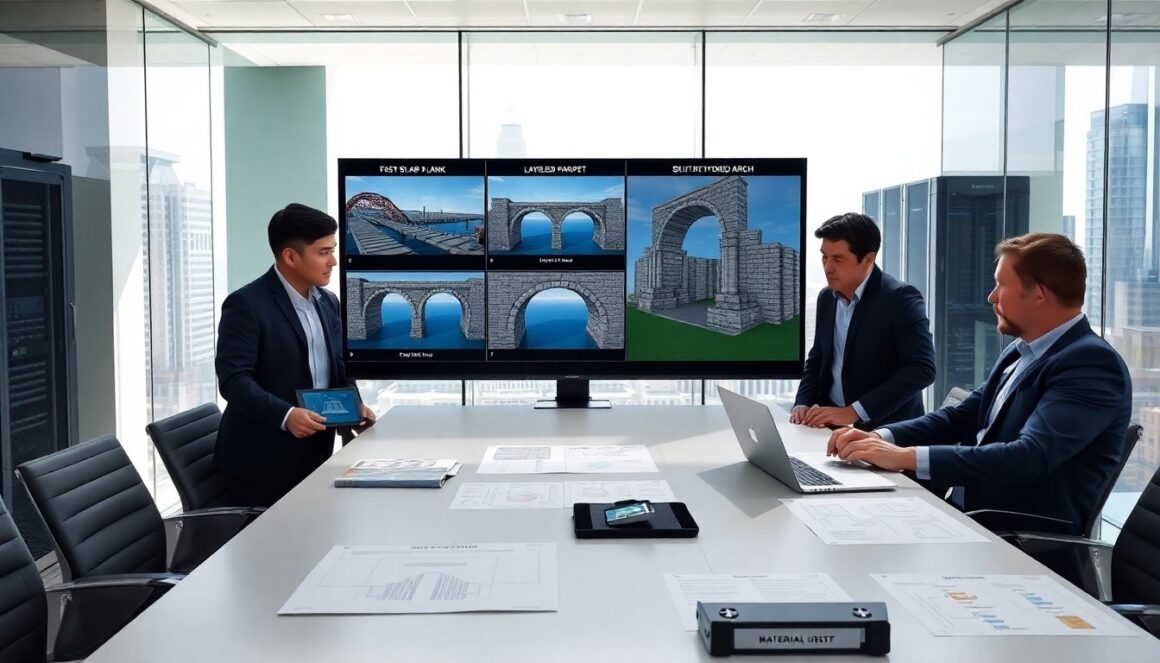
PlayBattleSquare Minecraft Bridge Ideas Designs helps players build better links between islands. The guide lists fast, defensive, and hybrid bridge designs. It shows simple builds and test methods. It gives clear steps players can copy in-game. The text stays direct and practical for builders who want quick results.
Key Takeaways
- PlayBattleSquare Minecraft bridge designs impact team strategy by controlling movement and sightlines between islands.
- Fast rush bridges prioritize speed and simplicity to surprise opponents and secure early objectives.
- Defensive bridges incorporate traps and layered walls to slow enemies and protect chokepoints effectively.
- Hybrid bridges blend speed and protection with features like split lanes and one-way pressure setups for versatile gameplay.
- Choosing materials like slabs and stairs reduces fall damage and improves cover while keeping repairs accessible.
- Testing and iterating bridge designs on private servers with full loadouts ensures optimal performance under pressure.
How Bridges Shape PlayBattleSquare Strategy
Bridges decide control in PlayBattleSquare. A bridge connects spawn points and objectives. Teams use bridges to push, defend, or ambush. A fast bridge helps attackers reach the midline quickly. A fortified bridge denies access and forces long detours. Players should pick a bridge that fits their plan. Builders can pair a bridge with traps and cover. Server rules change how bridges work, so players should test on their server. For help with servers and hosting, readers can reference a guide on minecraft renting server way level gameplay.
Fast Rush Bridges: Designs For Speed And Surprise
Fast rush bridges let attackers cross quickly. These bridges focus on straight lines and few blocks. They reduce exposure and increase surprise. Teams use them for early grabs and quick trades.
H3: Simple Speed Plank, Minimal, Fast, And Reliable
A simple speed plank uses slabs or wood planks. A player places one block and runs. They move in a straight line and sprint while bridging. A single slab reduces fall risk and keeps momentum. Players add a low side rail only if they expect enemy fire. This design works on tight time limits and small budgets. Builders can practice this plank on a rented test server and add mods for timing practice by following a page about minecraft mods fun beginners server hosting.
Defensive And Trap Bridges: Control The Midline
Defensive bridges slow enemy movement and force mistakes. These bridges add layers, walls, and trap triggers. They trade speed for control. Teams place defensive bridges at chokepoints to deny ground and sightlines.
H3: Layered Parapet With Hidden Trap, Slow Their Advance
A layered parapet uses two or three staggered walls. A player hides pressure plates or tripwires under carpets. When an enemy crosses, a piston or lava trap activates. The trap delays attackers and makes cleanup easier. Builders keep a safe access for defenders to repair or reset traps. The trap should use common blocks and simple redstone that team members can maintain in the heat of a match. Defensive bridges work best when paired with ranged support behind cover.
Hybrid Utility Bridges: Balance Speed, Safety, And Resources
Hybrid bridges mix fast lanes and protected lanes. They give attackers a quick path and defenders a safe zone. This design works for teams that switch roles mid-match.
Design idea 1: Split Lane Bridge
A player builds two parallel lanes. One lane uses slabs for speed. The other lane has half walls and small windows for cover. Defenders can move on the covered lane while attackers use the slab lane. Teams can switch lanes based on the score.
Design idea 2: Resource-Efficient Arch
A player builds a low arch with fence rails. The arch blocks arrows but uses few blocks. This shape reduces material cost and provides cover. A player can add trapdoors for shooting angles. The arch suits mid-game when resources are limited.
Design idea 3: One-Way Pressure Bridge
A player uses signs and water to create a one-way flow. Enemies who enter the water get pushed to a trap or fall. This setup needs simple mechanics and regular checks. Hybrids reward teams that communicate and adapt.
Building Tips, Materials, And How To Test Your Bridge In-Game
Pick materials that match game rules and budget. Wood works for cheap, cobblestone holds under fire, and slabs reduce fall damage. A player should avoid rare blocks in early rounds.
Tip 1: Build at player eye level
A player builds the bridge near eye level to control sightlines and to make ranged fights easier.
Tip 2: Use slabs and stairs
A player places slabs to lower fall damage and stairs to create quick cover. Slabs allow faster movement.
Tip 3: Keep repair access
A player designs a hidden repair path so teammates can fix damage without leaving cover.
Tip 4: Test on a private server
A team should test the bridge with full loadouts and enemy pressure. They should time runs and check trap triggers. For server options and hosting tips, teams can view a guide about minecraft server hosting beginners.
Tip 5: Log results and iterate
A player records what worked and what failed. They change one element at a time and retest. This method speeds improvement and limits wasted resources.


