When MMORPGs Borrow From The Reels
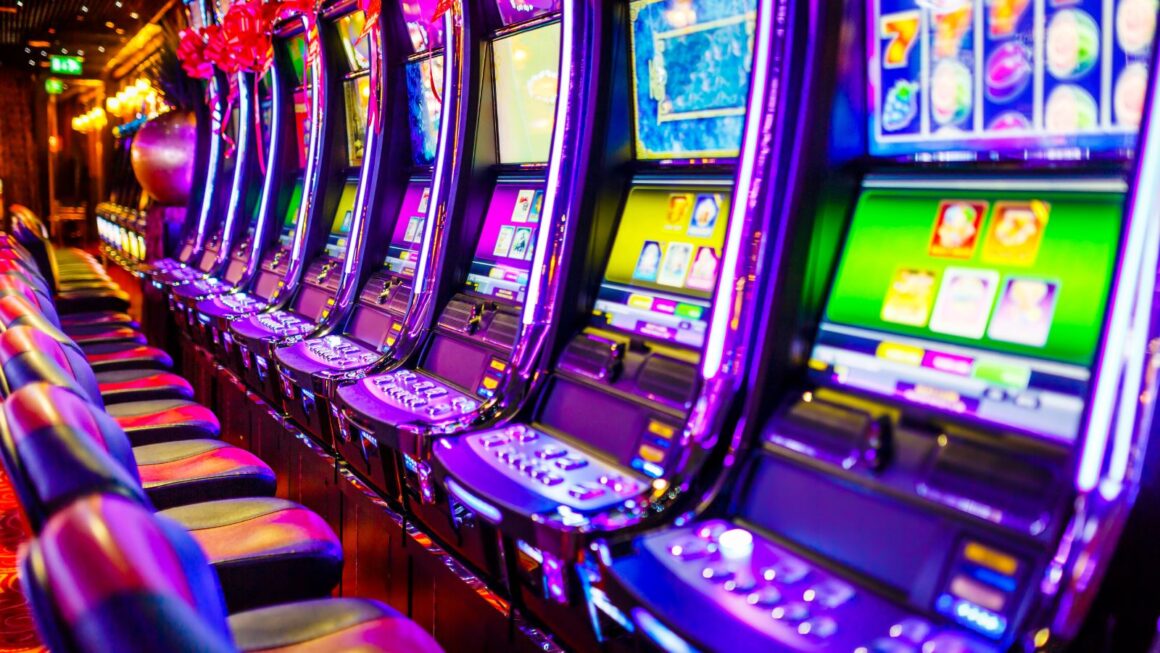
MMORPGs didn’t need casinos to discover randomness. Early online worlds already used loot tables and rare drops to keep players grinding. But as free-to-play models took over, many studios began borrowing the most polished “random reward” craft on the planet: slots. The result is a blend of fantasy adventure and casino-style engagement loops that can feel thrilling, frustrating, or both.
RNG As A Progress Engine
Slots are built around variable rewards: you don’t know when the win arrives, so you keep playing. MMORPGs translated that into drop rates, crafting success chances, and rare mounts or cosmetics. The core loop becomes “one more run” because the next dungeon, boss, or chest might be the lucky one. Where classic MMOs used time and teamwork as the gaming gate, modern systems often add probability as a second gate.
The Spin Interface Moves In
A notable shift is in presentation. Many MMORPGs now reveal rewards with spinning wheels, flipping cards, glowing orbs, and escalating sound cues. These are slot-adjacent rituals: suspense, reveal, celebration. Even when players earn rewards through gameplay, the unveiling is staged like a mini-game of chance. It’s the same psychological framing, anticipation is part of the product.
Near-Misses, Pity Timers And Almost There
Slot design also popularised the near-miss: outcomes that look close to a win to encourage continued play. In MMORPGs, this shows up as upgrade systems that fail but keep materials, gear enhancement that drops a level, or boss loot that almost rolls your desired item. Developers often soften the sting with pity timers, guaranteed drops after X attempts, or progress bars that inch forward. These are effectively losses with momentum, keeping players engaged without full resets.
Gacha, Loot Boxes And Event Jackpots
The biggest crossover is monetisation. Limited-time banners, loot boxes, and gacha-style pulls mimic slot spending patterns: small buys, repeatable, with rare jackpot outcomes. Every casino game online has some aspect of variable reward, and in MMOs, that aspect becomes sellable: currency packs, keys, rerolls, boosters, and event passes that accelerate the chase. Seasonal events frequently mirror progressive jackpots too, rotating prize pools, step-up rewards, and limited windows that heighten urgency.
Why It Works In Online Worlds
MMORPGs are social, and slots-inspired mechanics gain extra power when shared. Guildmates post screenshots of ultra-rare drops; streamers open hundreds of boxes; leaderboards showcase those who hit big. That social proof normalises the chase and turns luck into status. Meanwhile, in-game economies benefit from churn: materials sink into failed upgrades; markets stay active; players keep logging in. Daily quests and login streaks act like free spins, keeping the habit warm.
A Design Tension Developers Can’t Ignore
None of this means MMORPGs are “secret casinos.” Randomness can be fun, and it’s been part of RPG DNA for decades. The difference is how deliberately it’s packaged and how often it’s tied to spending. The healthiest designs keep chance optional, disclose odds, add spending limits and parental controls, and ensure meaningful progression through skill, time, or strategy, not just repeated pulls. Transparent drop rates and generous earn-able rewards help maintain trust.
Conclusion
Slots didn’t invent MMO randomness, but they perfected the theatre around it: suspenseful reveals, repeatable micro-stakes, and systems that make one more try feel rational. As MMORPGs keep evolving, the challenge is balancing excitement with fairness, so the world still feels like an adventure, not a never-ending reel, and players feel in control of their journey.