How to Make a Business or Partnership Inquiry
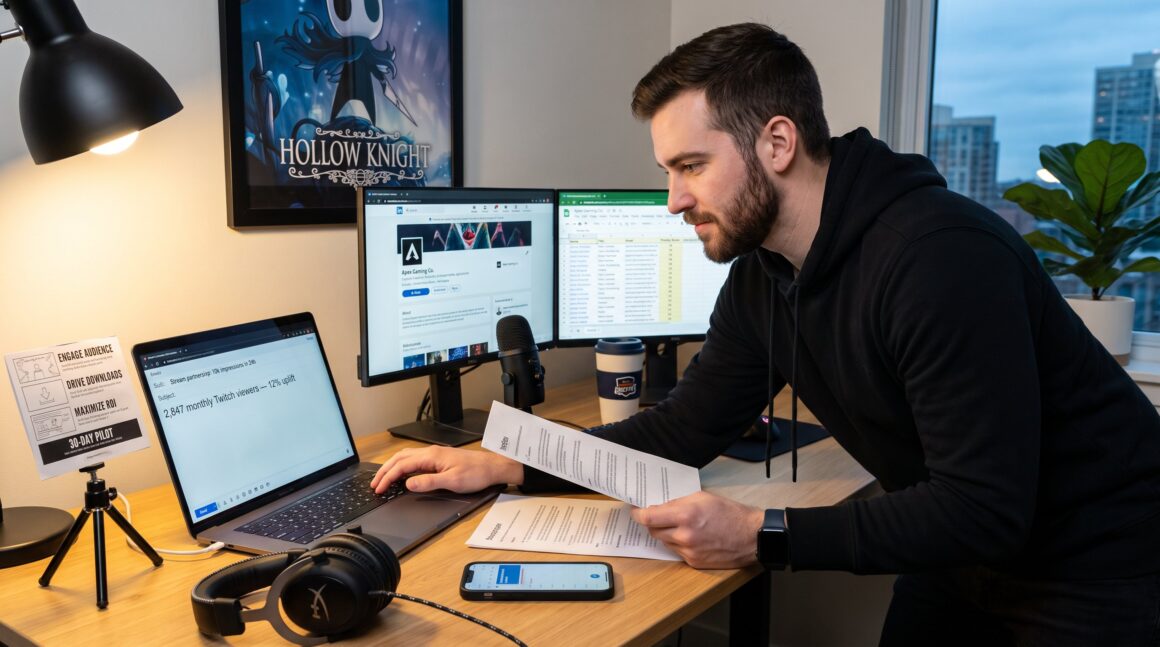
How to Make a Business or Partnership Inquiry begins with clarity: state the opportunity, the benefit, and the next step in the first 30 seconds. Gamers who want sponsorships, cross‑promotions, or developer partnerships must treat outreach like a raid plan, prepare, assign roles, and keep the ask tight. This guide lays out exactly what partners in gaming look for, how to find the right contacts and platforms, how to write messages that get replies, and how to follow up and negotiate without burning bridges.
Key Takeaways
- Clarity and specificity in your business or partnership inquiry capture attention within the first 30 seconds.
- Use measurable metrics and align your pitch with the partner’s goals to demonstrate value and reduce perceived risk.
- Target the appropriate decision-makers by researching contacts on LinkedIn and using tailored platforms to increase response rates.
- Craft concise messages with strong subject lines referencing recent campaigns to improve open and reply rates.
- Follow up persistently yet respectfully, tracking all interactions to facilitate smooth negotiation and build trust.
- Propose short pilot projects with clear success metrics to ease negotiations and foster long-term collaborations.
Preparing Your Pitch: What Partners In Gaming Want
Partners in gaming want measurable reach, clear alignment, and low risk. Start with one fact: list the specific metric you bring, monthly unique viewers, average concurrent viewers, or 90‑day sales lift from a prior collaboration. For example, say “2,847 monthly Twitch viewers and a 12% uplift on affiliate links.” That single line answers the biggest partner question: why you?
Next, match your offer to the partner’s goals. Publishers care about installs and retention. Hardware brands want demo time and social proof. Indie studios value playtest feedback and content creation cycles. Research three recent releases or campaigns from the target and note one concrete way you improve their KPI: a timed stream, a tutorial series, or a co‑branded giveaway.
Create two reusable artifacts: a one‑page pitch and a one‑minute explainer video. The one‑pager should contain one contact line, three proof points, and one clear ask. The video demonstrates polish and saves time for busy managers. Gamers often forget to include legal basics: prepare a brief statement on rights, exclusivity, and trial durations to prevent awkward stalls later.
Vulnerable lesson: one team lost a partnership by promising exclusivity without data to support it. They learned to propose a 30‑day pilot instead. A pilot reduces perceived risk and makes negotiation easier.
Identifying The Right Contacts And Platforms
Answer first: target the person who approves deals, not general inboxes. That might be a head of partnerships, PR manager, or business development lead. Use LinkedIn job titles and company team pages to find names. Keep a simple CRM or spreadsheet with columns: name, title, email, source, last contact, and priority score.
Choose platforms that fit the target. Publishers and studios commonly respond on LinkedIn or email: hardware brands accept proposals through marketing contacts. For ad or sponsorship opportunities with media sites, use the editorial or advertising contact. If a contact is elusive, find a secondary route: community managers or dev relations often forward strong pitches.
Track outreach volume and conversion. A practical benchmark: send 30 highly targeted inquiries to get about 3 meaningful replies and 1 pilot offer. Adjust messaging if reply rates fall below 5%.
Practical link: when a gamer needs official contact paths or support before pitching, they can reference the site’s contact instructions at the contact page to confirm channels and expectations.
A cautionary note: never cold‑email a person via a scraped address without a legitimate context, that harms reputation. Instead, cite one recent title or campaign in the opening line to show research and avoid spam filters.
Crafting The Inquiry Message
Start with the result: a concise message gets responses. The first sentence must make the purpose and benefit clear. Below are the two micro‑components to refine: subject/opening and body structure.
Subject Lines And Opening Lines That Get Responses
Good subject lines name the partnership and a hook. Examples that work: “Stream partnership: 10k impressions in 24h” or “Playtest + co‑stream for [GameName] launch.” Avoid vague subjects like “Quick question.” The opening line should reference a recent release, campaign, or mutual connection, this proves research and breaks the cold barrier.
Short experiment: A streamer tested three subjects across 90 emails. The most specific subject line improved open rate from 18% to 36% and reply rate from 2% to 9%. Specificity matters.
Body Structure, Value Proposition, And A Clear Call To Action
Lead with context: who they are and why they matter to the recipient. Then state the value proposition in one sentence: what the partner gains and the timeline. Example: “They bring a tutorial series to showcase your co‑op mode, driving installs and 2–3x session length.”
Add proof: a metric, a past partner, or a screenshot link. Keep the proof to one bullet or one short sentence. Finish with a low‑friction call to action, “Are you available for a 15‑minute call next week?” or “Would you like a 30‑day pilot?”
Formatting tip: use short paragraphs and one bullet list of deliverables. This reduces perceived reading time and increases replies.
Honest pitfall: messages that try to say everything become unreadable. Better to offer one clear campaign idea than five vague options.
Follow‑Up, Tracking Responses, And Negotiation Best Practices
Fact first: most deals close after persistent, respectful follow‑up. Send one follow‑up a week after the initial outreach, and a second seven to ten days later. Keep follow‑ups in the same email thread and reference the prior message. Example follow‑up opener: “Following up on my stream + demo idea, I can run a 2‑hour event that reaches 3k unique viewers.”
Track all interactions in a spreadsheet or CRM with dates, key points, and next steps. Record deal terms: fee, deliverables, exclusivity, measurement, and pilot length. A clean record prevents miscommunication and speeds negotiation.
Negotiation tactics for gamers: propose a short pilot with clear success metrics (e.g., installs, watch hours, or engagement rate). Use milestone payments or performance bonuses to align incentives. Do due diligence: verify partner references and past campaigns, and ask for a basic financial or legal contact before signing long commitments.
Negotiation red flags include vague metrics, no proof of past campaigns, or pressure for immediate exclusivity. If these appear, propose a limited pilot or ask for references. Transparency helps both sides move faster.
Resource links: for billing or support specifics related to PlayBattleSquare contact routes, include a short reference to the site’s billing contact when appropriate, using the billing contact as a model for how to surface payment details. For troubleshooting or technical problem reporting during a pilot, consult the technical report page to set expectations about response times.
Conclusion
Effective outreach in gaming is targeted, specific, and tracked. Gamers who show clear metrics, propose low‑risk pilots, and follow up respectfully increase their partnership win rate. Treat each inquiry like a short campaign: prepare, test, measure, and iterate. That approach turns cold emails into long‑term collaborations.