Friends Playing Video Games: The Ultimate Guide to Epic Gaming Sessions in 2026
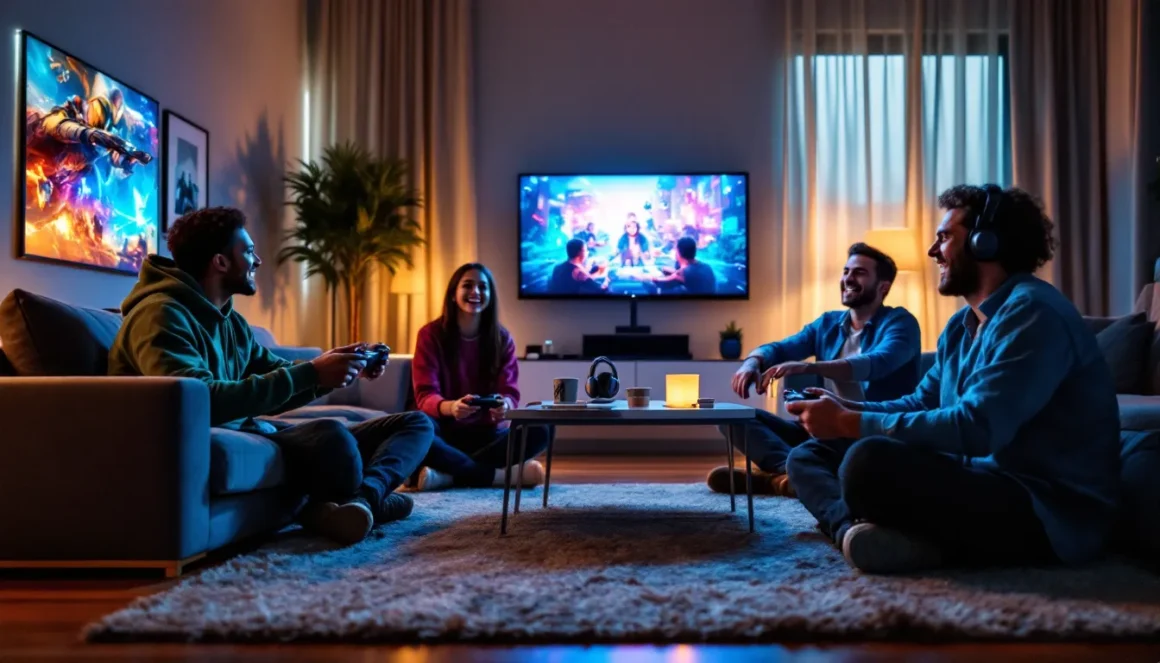
There’s something magical about loading up a game with friends, whether you’re screaming into a Discord call at 2 AM, passing controllers on a couch, or coordinating a raid across three time zones. Gaming with friends has evolved from split-screen campaigns into a global phenomenon that connects millions of players daily. In 2026, the ways we play together have never been more diverse, accessible, or downright entertaining.
This guide digs into everything that makes group gaming sessions memorable: the social benefits that go beyond simple fun, the best titles to play across every genre and mood, platform considerations, setup tips, and how to keep your crew together without the drama. Whether you’re planning a weekly game night or just looking to squeeze in a few matches between responsibilities, here’s how to make the most of gaming with your squad.
Key Takeaways
- Playing video games with friends strengthens relationships by creating shared memories, building trust, and maintaining long-distance connections through regular gaming sessions.
- Cross-platform play has become the standard in 2026, allowing friends on PS5, PC, Xbox, and mobile to squad up seamlessly without geographic or hardware constraints.
- Choose games that match your group’s skill level and mood—use handicaps for mixed-skill groups, rotate competitive titles to ensure everyone shines, and prioritize cooperation over domination.
- Invest in proper setup and communication tools like Discord for voice chat, ergonomic seating, and backup communication methods to prevent technical issues from disrupting your gaming session.
- Gaming with friends develops real-world teamwork and communication skills that translate directly to professional collaboration, emotional intelligence, and stress management.
- Join gaming communities through Discord servers, Reddit LFG threads, and in-game clan systems to find new friends who share your interests and playstyle.
Why Gaming with Friends Is More Popular Than Ever
The numbers tell the story: multiplayer gaming has exploded over the past decade, and 2026 marks another peak. More people game with friends now than at any point in history, and it’s not hard to see why.
First, technology has demolished barriers. Cross-platform play is standard, not an exception. A player on PS5 can squad up with someone on PC and another on Xbox Series X without a second thought. Cloud gaming services have made high-end titles accessible on modest hardware, and mobile gaming has matured to the point where legitimate competitive experiences fit in your pocket.
Second, the pandemic permanently shifted how we socialize. Even as in-person gatherings returned, the convenience of digital hangouts stuck. Gaming became the new “grabbing coffee”, a low-pressure way to catch up, laugh, and share experiences. Services like Discord turned voice chat into an always-on social space, blurring the line between gaming session and digital living room.
Third, games themselves have gotten better at facilitating group play. Developers understand that social features drive retention. Seasonal content, battle passes, and live events create shared moments that friends want to experience together. The rise of gaming communities has also made finding like-minded players easier than ever.
Finally, gaming culture has gone mainstream. The stigma has evaporated. Adults proudly schedule game nights, streamers pull millions of viewers, and esports fill arenas. Playing video games with friends isn’t a niche hobby, it’s just what people do.
The Social Benefits of Playing Video Games Together
Gaming with friends delivers more than entertainment. The social and psychological benefits are real, measurable, and often underestimated.
Strengthening Friendships Through Cooperative Play
Cooperative games forge bonds in ways that passive activities can’t match. When you’re coordinating a heist in Payday 3, reviving teammates in Helldivers 2, or building a base in Valheim, you’re creating shared memories and inside jokes that last.
Research consistently shows that shared challenges strengthen relationships. Overcoming a difficult raid boss or clutching a 1v4 situation creates genuine emotional investment. You celebrate victories together and commiserate over defeats. These moments build trust and deepen connections, whether you’re playing with childhood friends or people you met online last month.
The asynchronous nature of online gaming also helps maintain long-distance friendships. When life scatters your crew across cities or countries, a standing game night becomes the anchor that keeps everyone connected. It’s easier to commit to than coordinating travel, and it happens in real-time, not through delayed text chains.
Building Communication and Teamwork Skills
Competitive and cooperative games demand clear communication. Calling out enemy positions in Valorant, coordinating ultimate abilities in Overwatch 2, or managing resources in Deep Rock Galactic requires players to develop shorthand, stay calm under pressure, and adapt strategies on the fly.
These aren’t just gaming skills. They translate directly to real-world teamwork. Players learn to give and receive constructive feedback, delegate tasks based on individual strengths, and maintain composure when plans fall apart. Many employers now recognize gaming experience as legitimate teamwork training, especially for roles requiring remote collaboration.
Gaming also develops emotional intelligence. You learn to read your squad’s mood, know when someone needs encouragement, and recognize when to pivot strategy versus push through. Managing tilt, both your own and your teammates’, is a skill that serves you well beyond the game.
Best Multiplayer Games to Play with Friends in 2026
The right game can make or break a session. Here’s what’s worth playing across different moods and group dynamics, all current for 2026.
Top Co-op Games for Teamwork and Strategy
These titles reward coordination and punish lone wolves. Perfect for groups that want meaningful progression and tactical depth.
-
Helldivers 2 (PC, PS5): The extraction shooter that demands perfect teamwork. Four-player squads fight through procedurally generated bug hordes and robot armies. Friendly fire is always on, and miscoordination kills faster than enemies. Season 4 added new stratagems and enemy types that keep the meta evolving.
-
Deep Rock Galactic (PC, Xbox Series X
|
S, PS5): Mining dwarves in space. Class-based co-op with endless replayability. The community remains one of the friendliest in gaming, and the “Rock and Stone.” culture is infectious. Latest updates added new biomes and mission modifiers.
- Palworld (PC, Xbox Series X
|
S): The survival crafting game that dominated early 2026. Capture creatures, build bases, and automate production with up to 32 players on dedicated servers. Recent patches balanced PvP and added endgame raid content.
-
Ready or Not (PC): Tactical SWAT simulator for five players. Requires patience, planning, and precise execution. Not for casual sessions, but deeply rewarding for squads willing to learn callouts and tactics.
-
Phasmophobia (PC, PS5, Xbox Series X
|
S): Ghost hunting co-op that’s equal parts terrifying and hilarious. Voice recognition means the ghosts actually hear you scream. Cross-platform support finally arrived in March 2026.
These experiences benefit from consistent groups. If you’re looking for multiplayer titles that reward coordination, start here.
Competitive Multiplayer Games for Friendly Rivalry
When cooperation isn’t enough, these games let you settle who’s actually the best.
- Valorant (PC, PS5, Xbox Series X
|
S, Mobile): Riot’s tactical shooter hit consoles in late 2025 and hasn’t looked back. Episode 8 Act 2 introduced a new controller agent and reworked Breeze. The skill ceiling is high, but unranked modes accommodate mixed-skill groups.
- Tekken 8 (PC, PS5, Xbox Series X
|
S): The fighting game renaissance continues. Approachable for newcomers thanks to Special Style controls, deep enough for veterans. Ranked teams mode lets you run crew battles.
- Rocket League (PC, PS5, Xbox Series X
|
S, Switch): Still the perfect blend of accessible and competitive. Free-to-play means no barrier to entry. Season 15 added a new arena and limited-time modes that keep things fresh.
-
Super Smash Bros. Ultimate (Switch): The party fighter that needs no introduction. Local multiplayer remains unmatched, and the complete roster of 89 characters offers endless matchup variety.
-
Street Fighter 6 (PC, PS5, Xbox Series X
|
S): World Tour mode offers co-op progression, while ranked and casual modes provide competitive depth. Drive System mechanics reward aggression and creativity.
Party Games for Casual and Hilarious Fun
Not every session needs to be sweaty. These games prioritize laughs over skill.
-
Jackbox Party Pack 10 (All platforms): Quiplash, Tee K.O., and other crowd-pleasers. Works via phones, so anyone can join. Perfect for non-gamers and mixed groups.
-
Among Us (PC, Mobile, Switch, PS5, Xbox Series X
|
S): Still a party staple. The Hide n Seek mode added in 2025 refreshed the formula. Best with voice chat and people who don’t take betrayal personally.
- Fall Guys (PC, PS5, Xbox Series X
|
S, Switch, Mobile): Chaotic obstacle courses and team games. Free-to-play and cross-platform. Season 6 added new rounds and cosmetics.
- Overcooked. All You Can Eat (PC, PS5, Xbox Series X
|
S, Switch): Cooperative cooking under increasingly absurd conditions. Tests friendships like few other games. Cross-platform update dropped in January 2026.
- Golf With Your Friends (PC, PS4/5, Xbox One/Series, Switch, Mobile): Exactly what it sounds like. Mini-golf with power-ups, custom courses, and shape modes (hockey, basketball). Low stakes, high entertainment.
Cross-Platform Gaming: Playing Together Across Different Devices
Cross-platform play has evolved from rare feature to standard expectation. In 2026, most major multiplayer releases support it, but implementation quality varies.
The big three, Fortnite, Call of Duty: Warzone, and Apex Legends, have perfected cross-play. Players on any platform can squad up with minimal friction. Account linking through Epic, Activision, or EA handles progression and friends lists, while input-based matchmaking keeps mouse-and-keyboard players separate from controller users in ranked modes (unless you opt in).
Cross-progression matters as much as cross-play. Games like Destiny 2, Genshin Impact, and Diablo IV let you start on console, continue on PC, and check in via mobile without losing progress. This flexibility suits modern life where gaming happens across multiple devices.
Platform-specific limitations still exist. Nintendo Switch often gets delayed updates or reduced player counts due to hardware constraints. Sony and Microsoft have mostly dropped their resistance to cross-play, though some legacy titles remain locked to ecosystem.
Mobile cross-play deserves special mention. Minecraft, Roblox, and Brawl Stars demonstrate that touch controls can compete with traditional inputs when games are designed for it. The rise of backbone controllers and similar accessories has narrowed the gap further. Technical considerations from proper setup guides help optimize performance across different devices.
The key question: does your friend group span platforms? If yes, verify cross-play support before buying. If no, you still benefit from larger player pools and faster matchmaking.
How to Set Up the Perfect Gaming Session with Friends
Good sessions don’t just happen. They require a bit of planning and the right tools.
Choosing the Right Platform: PC, Console, or Mobile
PC offers maximum flexibility. Graphics settings scale from potato to cutting-edge, mod support extends game life, and simultaneous access to Discord, streaming, and wikis is seamless. The barrier is cost and technical knowledge. Building or buying a capable rig requires investment, and troubleshooting driver issues mid-session is nobody’s idea of fun.
Consoles (PS5, Xbox Series X
|
S) deliver plug-and-play reliability. Everyone’s on equal hardware, no one’s blaming lag on their GPU, and couch co-op still hits different than online play. Game Pass and PS Plus provide massive libraries. The downside is less customization and locked ecosystems (though this has improved).
Mobile is the most accessible platform. Billions of people already own capable devices. Games like Genshin Impact, PUBG Mobile, and Call of Duty Mobile offer legitimate depth. The limitations are screen size, battery life, and input options. Serious mobile gaming requires controllers, cooling clips, and external batteries.
The best choice depends on your group. If everyone’s already on one platform, stick with it. If you’re mixed, prioritize games with robust cross-play.
Voice Chat and Communication Tools for Seamless Coordination
Discord remains the gold standard for PC and mobile. Server organization, low latency, screen sharing, and bot integration make it indispensable. The recent spatial audio update improved directional awareness during tactical games.
Built-in party chat (Xbox Live, PlayStation Network) works fine for console-only groups. Quality is consistent, and everyone already has access. The downside is limited to platform, can’t easily loop in PC friends.
In-game voice varies wildly. Games like Valorant and Overwatch 2 have excellent native systems with clear audio and minimal lag. Others (looking at you, older ports) sound like underwater tin cans. Default to external tools when in doubt.
TeamSpeak and Mumble still exist for groups that prioritize low latency over features. Overkill for casual sessions, but competitive teams swear by them.
Pro tip: establish a backup communication method. When Discord goes down (and it will), having a group text or secondary voice app prevents dead air.
Creating a Comfortable Gaming Environment
Physical setup matters more than people admit. Poor ergonomics lead to fatigue, which kills mood faster than losing streaks.
For PC: Monitor height should place the top third of the screen at eye level. Chair should support your lower back. Mouse and keyboard at elbow height. Take a five-minute break every hour to avoid RSI.
For console: Couch distance from TV should be 1.5–2.5x the screen diagonal (so 75–125 inches for a 50-inch TV). Avoid glare by positioning screens perpendicular to windows. Controllers should be charged before sessions start, nothing worse than dying because of low battery.
Lighting matters. Bias lighting behind monitors reduces eye strain. Avoid completely dark rooms, but don’t blast overhead lights that cause screen glare.
Snacks and hydration are non-negotiable for marathon sessions. Keep water within reach and avoid foods that grease up controllers or keyboards.
Online vs. Local Multiplayer: Which Is Right for Your Group?
The online-versus-local debate isn’t about which is objectively better, it’s about matching format to circumstance.
Local multiplayer (split-screen, couch co-op, LAN parties) creates shared physical space. You hear your friends laugh, see their reactions, and the energy is immediate. No network lag, no disconnects, no voice chat quality issues. Games like Super Smash Bros. Ultimate, Mario Kart 8 Deluxe, and It Takes Two are designed for this format.
The downsides? Limited by physical proximity and screen real estate. Split-screen means smaller viewing areas and often reduced graphical fidelity. Not everyone can gather in person, especially for weeknight sessions.
Online multiplayer removes geographic constraints. Your squad can include someone from childhood, a college roommate three states away, and a clan member from another country. Scheduling is easier when no one has to drive. Game selection is broader, many modern titles skip local co-op entirely.
The tradeoffs? Network issues, cheaters (in competitive games), and the slight disconnect of mediated communication. Shared moments feel slightly less immediate through screens and headsets.
Many groups do both. Weekly online sessions maintain consistency, while quarterly LAN parties or couch co-op gatherings become special events. Some of the social gaming insights show how both formats contribute to skill development and community building.
Hybrid approaches work too. Host a gathering where everyone brings their laptops or consoles for a LAN party with voice chat, you get physical proximity plus individual screens.
Tips for Keeping Gaming Sessions Fun and Drama-Free
Even the best friend groups hit friction. Here’s how to navigate common issues without nuking the squad.
Managing Skill Gaps Between Players
Nothing kills a session faster than one player dominating while another struggles. The solution isn’t to ditch less skilled players, it’s to choose games and modes that accommodate variance.
Use handicaps and assists. Many fighting games include handicap systems. Mario Kart has adjustable item frequency. Smash Bros lets you set stock or damage ratios. Don’t treat these as shameful crutches, they level the playing field.
Play co-op instead of versus. PvE removes the awkwardness of repeatedly beating your friends. In Deep Rock Galactic or Destiny 2, skill gaps mean better players carry more weight, but everyone contributes.
Choose party games. RNG-heavy titles like Fall Guys, Mario Party, or Golf With Your Friends reduce the impact of skill. Good players still win more, but not overwhelmingly.
Create house rules. Best player uses a handicap, rotates to harder characters, or plays support roles. The goal is entertainment, not proving superiority.
Avoid ranked modes in mixed-skill groups. Casual modes exist for a reason. The player who cares most about rank should save that grind for solo queue, not force it on friends.
Handling Competitive Tension and Maintaining Sportsmanship
Competitive games stir emotions. That’s part of the appeal. But crossing the line from banter to genuine toxicity destroys groups.
Establish expectations upfront. Is trash talk encouraged or off-limits? Are certain topics (skill, personal life, specific insecurities) out of bounds? Have this conversation before tension arises.
Know when to take breaks. If someone’s tilting, switch games or step away for 15 minutes. Forcing through tilt just compounds frustration.
Separate in-game actions from personal attacks. Stealing a kill, taking loot, or making a tactical call shouldn’t become personal. If someone’s carrying grudges between sessions, address it directly.
Rotate game selection. If one player dominates their favorite game, rotate to titles where others excel. Everyone should get to feel competent.
Call out toxicity early. If someone crosses the line, yelling genuinely hurtful things, throwing games, or targeting one player, address it immediately. “Hey, that’s not cool” works better than letting resentment build.
Remember why you’re here. If winning matters more than enjoying time together, you’re playing the wrong games with the wrong people. Competitive drive is fine, but not at the expense of friendship.
Gaming Communities and Finding New Friends to Play With
Not everyone has a built-in friend group for gaming, and existing squads sometimes need fresh blood. Here’s where to look.
Discord servers are the primary hub for gaming communities in 2026. Most popular games have official servers with thousands of members organized into channels for LFG (looking for group), regional meetups, and skill brackets. Search for your game’s official server or check out community-run alternatives. The gaming community landscape offers guides for finding active Discord groups.
Look for servers that enforce conduct rules and have active moderation. Red flags include channels full of spam, excessive toxicity in general chat, or dead LFG sections (indicates inactive community).
Reddit hosts subreddits for virtually every multiplayer game. Sort by “New” in LFG megathreads or game-specific LFG subs (r/DestinyLFG, r/RocketLeagueFriends, etc.). Include your platform, region, playstyle, and availability.
In-game clan systems vary in quality. Destiny 2, Warframe, and Guild Wars 2 have robust clan features with progression systems. Others treat clans as glorified friends lists. Join a few, gauge activity, and commit to whichever meshes with your schedule and vibe.
Community sites and apps like GamerLink, GameTree, and the LFG features built into Xbox and PlayStation Network help match players by game, schedule, and playstyle. Quality of matches varies, expect to meet several duds before finding keepers.
Streaming and content creation builds communities organically. Many streamers host viewer games or maintain Discord servers. Engaging regularly in chat or community events can lead to genuine friendships. Just be a real person, not a clout chaser.
Local gaming stores and events still exist for those who prefer face-to-face. Tabletop shops often host video game tournaments. Fighting game locals are scattered across most cities. Comic and gaming conventions dedicate entire sections to multiplayer meetups.
Tips for making gaming friends:
- Be consistent. Show up regularly to the same communities or games.
- Use voice chat. Typing is fine, but voice builds rapport faster.
- Don’t be weird. Treat it like making any other friends, be genuine, respectful, and interesting.
- Accept rejection. Not every interaction becomes a friendship. Move on.
- Follow through. If you say you’ll be online Friday, be there. Flakiness kills new friendships.
Exploring diverse gaming platforms and communities expands the pool of potential friends who share your interests.
Conclusion
Gaming with friends has never been more accessible, diverse, or essential to how people socialize. Whether you’re coordinating cross-platform raids, screaming through horror co-op, or just vibing with party games, the options in 2026 accommodate every preference and schedule.
The technical barriers have largely fallen. Cross-play is standard, communication tools are robust, and game libraries span every genre and budget. What matters now is intention, choosing games that fit your group, managing the social dynamics, and prioritizing the experience over the W.
The best gaming sessions aren’t always the most competitive or technically impressive. They’re the ones where everyone’s laughing at 2 AM, where inside jokes are born, where you’re building memories instead of just grinding ranks. Set up your space, gather your crew, and load something up. The boss fights and victory screens are fun, but the real win is the time spent together.