Making Money with Collectible Cards: A Beginner’s Guide
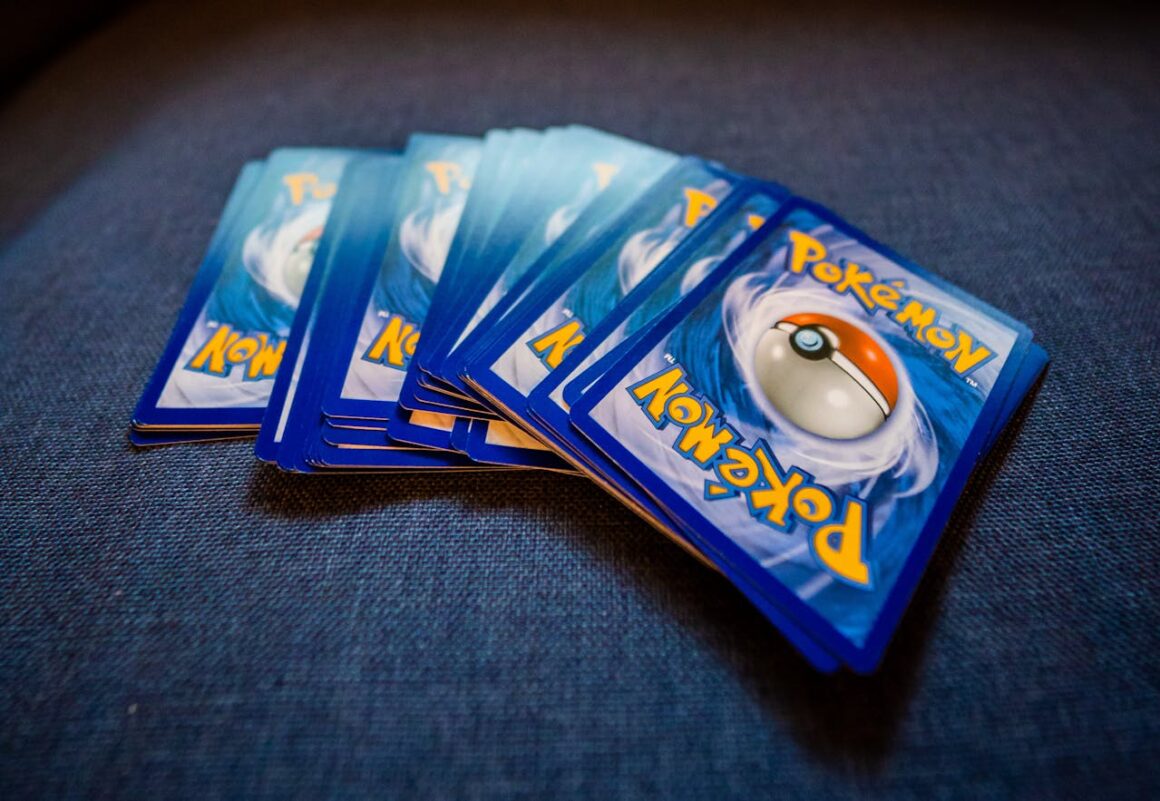
Those who choose the right collectible cards can actually make money from them. However, success depends on several factors, such as the condition of the card, its rarity, market demand, and a realistic valuation. Beginners in particular often do not know where to start and risk making costly mistakes. This guide is designed to make getting started easier.
Purchasing Collectible Cards: How to Identify Real Treasures
Before purchasing a card, it should always be examined carefully. Many collectors offer their cards for sale online or at local trading events. However, not every card that looks appealing is truly worth its price. A first assessment of quality and condition can be made using a card grading app.
To do this, several photos of the card are taken. Images of the front and back are essential for an overall impression, while close-up shots help evaluate the surface, edges, and corners. Based on these images, the app assesses the card’s condition. The higher the rating, the better the prospects for resale later on.
In addition to condition, rarity plays a crucial role. Limited editions or early releases are usually more valuable than mass-produced cards. Trends are also important, as certain cards are in particularly high demand due to popular games, editions, or characters.
Getting Started: How Much Should You Spend on a Card?
Anyone starting a card collection can begin with a small budget. Low-value cards are often available for under USD 20. These are ideal for learning the basics of card grading, proper care and storage, as well as the buying and selling process.
After gaining some experience, the budget can be increased to USD 50–200 per card to gain access to more stable and valuable cards. It is also recommended to focus on popular collecting areas. Established trading card games and sports cards with a large collector base are particularly suitable. First editions, numbered cards, or rare variants are also attractive, as they tend to offer better long-term value potential—although they usually come at a higher price.
Profits Are Made When Buying, Not Selling
Many experts agree that profits are determined at the time of purchase, not at the point of sale. For this reason, it is crucial to acquire cards at the lowest possible price. There are several strategies for finding affordable cards with strong potential.
At flea markets, in forums, or within community groups, cards are often offered at significantly lower prices than by dealers or through online auctions. Buying cards as part of a lot can also be helpful, as the individual price per card is usually much lower.
Cards that are not needed from such a collection can be resold individually. Alternatively, collectors can create and sell their own bundles. Another option is trading surplus cards for more desirable ones within community groups.
Preserving Value Through Proper Storage
In 2022, a Pokémon card was sold for more than £4.3 million. While such prices are extremely rare, the sale clearly shows one thing: a card’s value is determined not only by its rarity but also by its condition. The better preserved a collectible card is, the more valuable it becomes to potential buyers.
For this reason, it is essential to store collectible cards properly from the very beginning. One basic rule is protection from light. Direct exposure to light can damage the surface and cause colors to fade. Experts therefore recommend storing cards in a dark, dry place.
Cards should also be handled as little as possible. If handling is necessary, soft gloves should be worn, or hands should at least be thoroughly cleaned. Grease or skin particles left on the card’s surface can damage the material. Using tweezers to remove cards is also not recommended, as their tips can scratch delicate edges or surfaces.
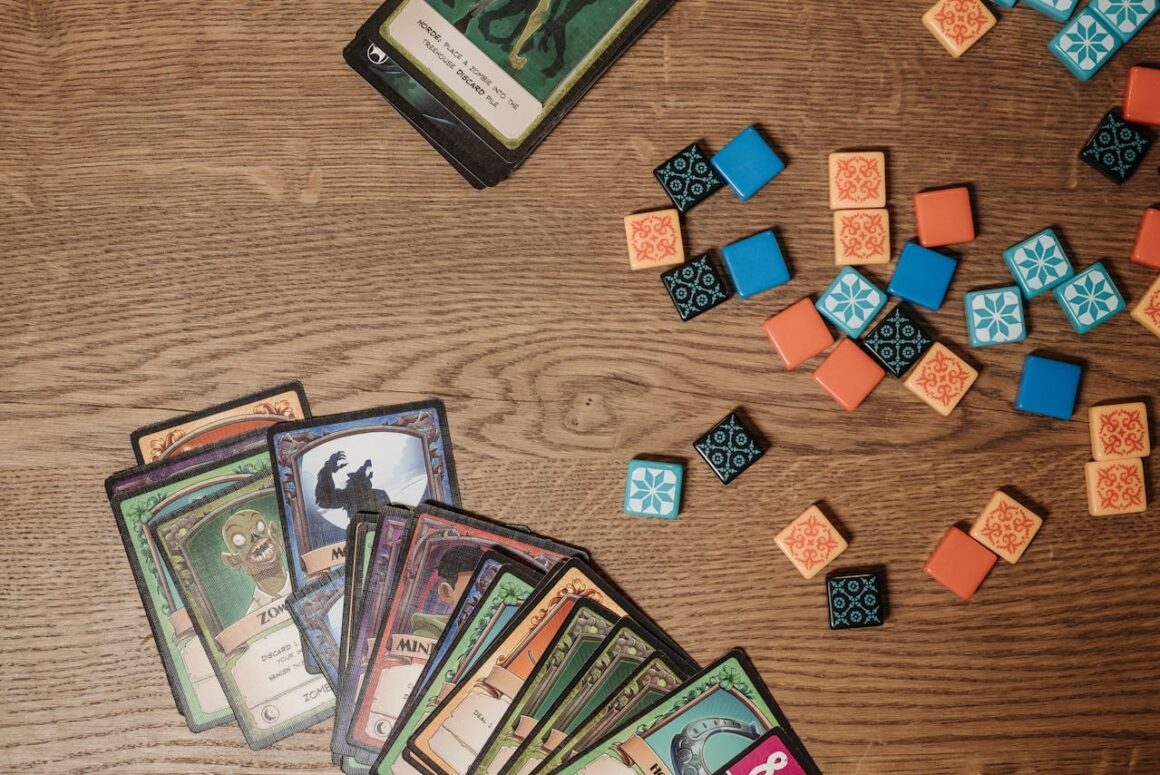
Cards should never be stored together in the same sleeve, as this can cause friction and fine scratches. The best solution is a combination of a soft sleeve and a toploader or semi-rigid holder. This protects the card from scratches, bending, and pressure without causing damage. Ideally, cards should also be stored upright in dedicated storage boxes to prevent pressure marks.
A card grading app can help detect even minimal changes in a card’s condition. By taking photos regularly and using them for evaluation, collectors can monitor their cards closely. Modern AI-based apps are capable of detecting even the smallest changes, allowing wear, color fading, or new scratches to be identified long before they become visible to the naked eye.