Battle Pass to Sweeps Coins: How Social Casinos Run on Game Design You Already Know
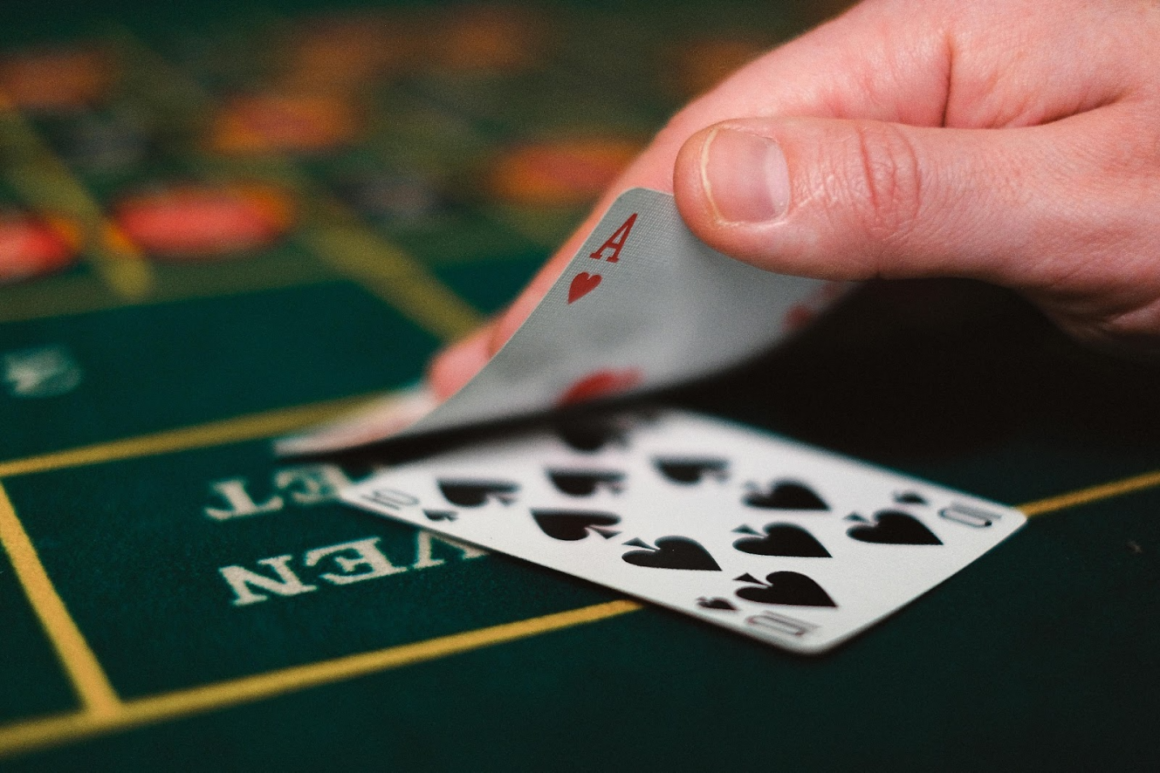
If you’ve burned thirty minutes on a battle pass progression session, refreshed Genshin Impact for the daily, or felt the small dopamine hit of opening a Hearthstone pack, you’ve already played the design loops social casinos run on. The mechanics are nearly identical. The math is borrowed from the same playbook. What separates them isn’t structure. It’s the legal pathway at the end of the loop.
Game journalism rarely connects these dots. Social casinos sit in a category most gaming media won’t cover seriously, dismissed as a fringe subgenre or lumped with traditional gambling. The design overlap with mainstream mobile games is significant enough that it’s worth understanding, especially if you play both without realizing the connection.
The mechanics are the same
Open any social casino app and you’ll find a daily login bonus, a progression system, leaderboards, streak rewards, limited-time events, variable-reward slot mechanics, and a battle-pass-style purchasable upgrade. Every one of those mechanics came from mobile gaming.
Daily login bonuses in Chumba Casino work the same way they do in Pokemon GO: small consistent reward for showing up, escalating value for streaks. Sidepot’s tournament leaderboards mirror Hearthstone’s seasonal rank system. The variable reward schedule that drives a slot pull is mathematically identical to a gacha banner in Genshin Impact or a card pack in Marvel Snap. Even the FOMO-driven limited-time events in Moonspin trace back to the same playbook Supercell uses for Clash Royale challenges.
This isn’t an accusation. Social casinos didn’t sneak these mechanics in. The mobile gaming industry developed them first, and social casinos adopted them because they work, keeping players engaged across long sessions and encouraging daily return. The variable-reward math behind both has been documented in peer-evaluation research on gambling-like elements in gaming for years.
Where they diverge: the redemption path
Here’s the meaningful difference. When you hit a max-tier reward in Genshin Impact, you get a 5-star character. When you hit the same kind of reward in a social casino, you accumulate Sweeps Coins (SCs), which can be redeemed for actual cash prizes under specific state-by-state legal frameworks.
That’s the entire structural distinction. Same mechanics, different terminal reward.
Sweeps Coins exist because of how US gambling law treats sweepstakes versus gambling. Players don’t purchase SCs directly. They buy Gold Coins (which have no cash value) and receive SCs as a free bonus, similar to entering a sweepstakes via a “no purchase necessary” path. That structure is what keeps social casinos legal in most US states where traditional online casinos aren’t.
For players coming from a gaming background, this is the part that changes the psychological stakes. The mechanics feel familiar. The reward feels different.
Why this matters
The social casino market hit roughly $8 billion globally in 2025, with North America holding about 40% of that. Platforms like Chumba, Moonspin, and Sidepot are competing for the same attention budget mobile gaming audiences already spend.
For the player: understanding that you’re engaging with the same psychological design across both genres makes you a more informed user of either. The dopamine loop on a daily Chumba login is engineered the same way as the loop on your favorite live-service game. Knowing that is useful context.
For game journalism: this is one of the largest underdiscussed genre crossovers in mobile gaming. If you’ve covered Marvel Snap’s monetization with any depth, you’ve already done 80% of the work to cover social casino design. The audience reading this is the same audience already curious about how MMORPGs have long borrowed from casino mechanics. The reverse direction (social casinos borrowing from games) is just as worth covering.
For curious players who want a structural look at the genre, ATS maintains a list of social casinos with platform breakdowns, redemption mechanics, and state-by-state availability. It’s a useful entry point if you want to understand the space without committing to a platform.
The reframe
Social casinos aren’t a separate genre that invaded mobile gaming. They’re a parallel evolution of mobile game mechanics with a different prize structure. The daily login is the same. The progression is the same. The variable reward math is the same. Only the endpoint diverges.
Once you see the design overlap, both genres become more legible. The next time you feel the pull of a daily login in your favorite game, you’ll know why social casinos hit the same way. And the next time you see a sweepstakes casino ad, you’ll have the framework to understand what’s happening underneath.