Why Do Competitive Games Feel More Intense Than Solo Play?
For many gamers, the adrenaline rush of competitive play is an exciting one. Whether it’s a fast-paced first-person shooter, a real-time strategy match, or a high-stakes online poker session, the intensity of competing against real people often feels more real than when playing solo or against AI.
The difference in intensity comes down to several key factors. These include unpredictability, social pressure, and personal stakes. When playing solo, the outcomes are generally predictable because AI opponents follow patterns, and mistakes you make can be corrected without feeling any sort of embarrassment. In competitive games, however, you’re facing other humans with independent thoughts and strategies. This uncertainty causes heightened alertness and stress responses, making the experience feel more engaging and intense.
The Role of Social and Psychological Pressure
One of the most obvious contributors to intensity in competitive gaming is social pressure. As humans, we are naturally responsive to social evaluation. This means that performing in front of others, even virtually, can increase physiological arousal. Studies on social facilitation show that people perform differently when they know others are observing or judging them.
Competitive games amplify this effect. Every decision, whether it’s a bluff in a poker hand or a critical move in a team-based shooter, has the risk of judgment, loss, or public failure. Even minor errors can feel consequential, creating a continuous loop of tension and focus that is often missing in solo play.
Risk and Reward Mechanics

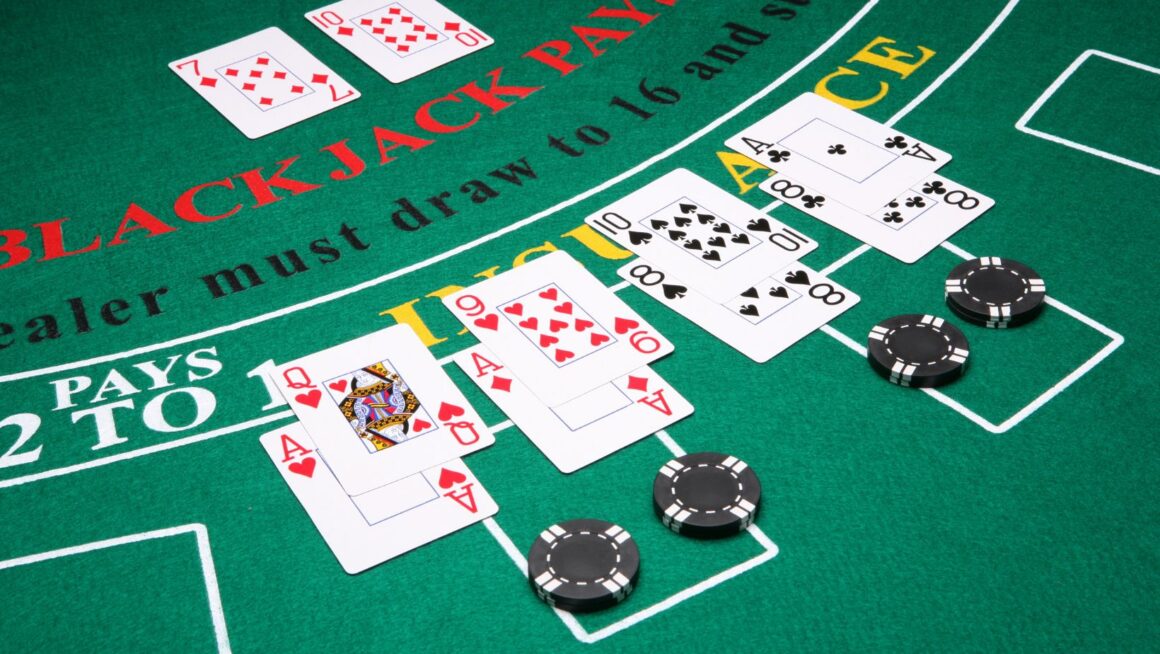
Another factor is the risk and reward element that’s embedded in competitive environments. Gamers know that every win or loss can impact their rankings, tournament progression, or even monetary prizes. This higher-stakes environment triggers the brain’s reward systems more intensely For Canadian gamers seeking this thrill, this intensity is a key part of the appeal on regionally accessible platforms like Bluffbet casino Canada, where competitive poker or blackjack sessions mirror the psychological stakes of an esports match. This is why players often describe competitive matches as “thrilling” or “addictive” when compared to single-player experiences.
Flow and Cognitive Engagement
Competitive games also engage players cognitively in ways that solo games may not. Mihaly Csikszentmihalyi’s concept of “flow” describes a mental state where players are fully absorbed in an activity, balancing challenge with skill level. Competitive settings often push this balance to the edge. So, when the challenge is higher because the opponent is unpredictable, players must continuously adapt.
This engagement requires quick thinking, pattern recognition, and strategic planning. Unlike solo play, where AI patterns can become predictable, human opponents introduce variability that keeps the brain alert and engaged. The combination of unpredictability and skill application heightens both mental and emotional intensity.
Emotional Investment and Identity
Finally, competitive games often feel more intense because of personal identity and emotional investment. Players frequently tie their performance to self-esteem, social standing, or team loyalty. Winning reinforces their competence and, subsequently, status, while losing can lead to increased frustration or disappointment. This emotional amplification is less obvious in solo play, where errors and losses are less likely to have social or reputational consequences.
Final Thoughts
Uncertainty and unpredictability make competitive games far more stimulating for players than solo play. As social pressures increase alertness and focus, and this is combined with risk-and-reward systems that trigger when high stakes are involved, players develop greater cognitive engagement with competitive games, emotionally investing in them, which adds to the intensity.
Understanding these factors can help players appreciate why certain games feel more thrilling than others and guide strategies for maintaining focus and composure during intense matches. It’s worth noting that betting platforms combine competitive mechanics with real stakes, offering Canadian players a chance to experience these dynamics first-hand, while also learning to manage stress and maintain performance under pressure.