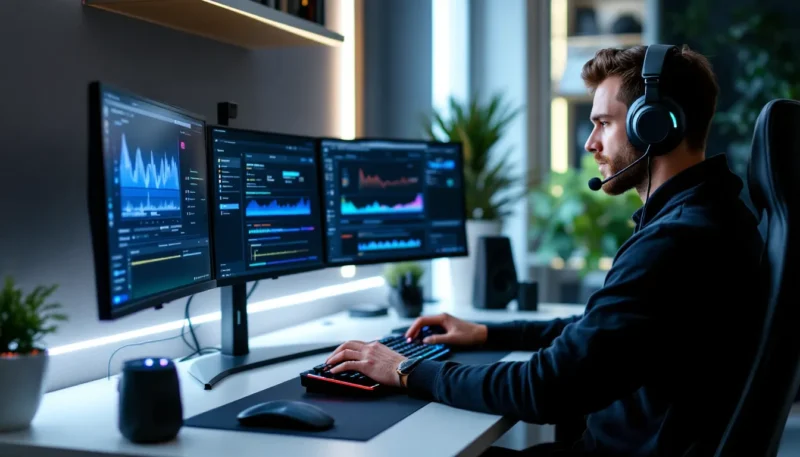
Someone Playing Video Games: The Complete Guide to Gaming Habits, Benefits, and Culture in 2026
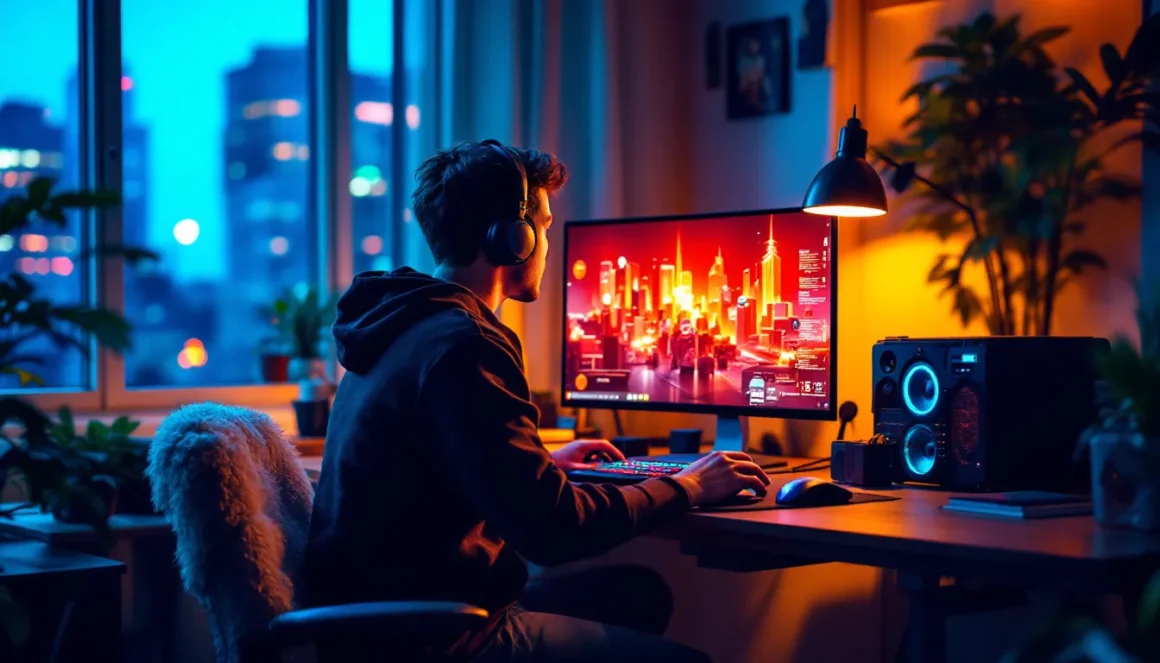
Walk into any coffee shop, college dorm, or living room in 2026 and you’ll likely spot someone playing video games. Maybe they’re grinding ranked matches on a laptop, clearing dailies on their phone during a commute, or running co-op raids with friends half a world away. Gaming has evolved from a niche hobby into a defining cultural activity, one that spans demographics, platforms, and playstyles.
But what does it actually mean when someone is playing video games today? It’s not just button-mashing or time-wasting. For millions of people, gaming represents skill development, social interaction, competitive achievement, and genuine relaxation. Whether you’re trying to understand your own gaming habits, curious about the culture, or looking to optimize your setup and approach, this guide breaks down everything you need to know about gaming in 2026, from why people play to how gaming impacts health, and what the future holds.
Key Takeaways
- Someone playing video games today engages in far more than entertainment—it’s skill development, social connection, competitive achievement, and genuine relaxation across diverse platforms and playstyles.
- Gaming offers measurable cognitive benefits including improved reaction time, hand-eye coordination, and problem-solving skills, while physical and mental health depend on proper ergonomics, breaks, and balanced lifestyle habits.
- Different gamer types—mobile, console, and PC players—each experience distinct advantages; mobile offers convenience, consoles provide accessible couch co-op, and PC gaming demands customization but delivers competitive depth.
- Someone playing video games should set clear time boundaries, schedule sessions like other activities, and prioritize responsibilities to maintain healthy gaming habits and prevent excessive play from interfering with work and relationships.
- Emerging technologies like cloud gaming, VR, AI-driven content, and cross-platform play will reshape gaming accessibility and create more immersive, persistent social experiences beyond 2026.
What Does It Mean When Someone Is Playing Video Games?
At its simplest, someone playing video games is engaging with interactive digital entertainment. But that definition doesn’t do justice to the sheer variety of experiences packed into modern gaming. It could mean someone’s chasing a personal best speedrun, coordinating callouts in a 5v5 tactical shooter, building intricate structures in a sandbox world, or simply unwinding with a narrative-driven adventure after work.
Understanding Modern Gaming Behaviors
Gaming behavior in 2026 is incredibly diverse. People playing video games might be streaming their session to thousands of viewers, voice-chatting with a static squad, or playing entirely solo with chat muted. Some gamers chase leaderboards and ranked progression. Others treat games as virtual hangouts, where the activity itself is secondary to the social experience.
The platforms people choose also shape behavior. Mobile gamers often play in short bursts, waiting for the bus, during lunch breaks, or before bed. Console players might dedicate entire evenings to story campaigns or couch co-op. PC gamers frequently optimize settings, tweak configs, and dive deep into competitive metas. Each approach is valid, and most gamers float between multiple styles depending on mood and context.
Casual vs. Dedicated Gaming Sessions
There’s a spectrum. Casual gaming sessions typically last 15 to 45 minutes, often on mobile or pick-up-and-play titles. Think puzzle games, battle royale quick matches, or roguelikes with discrete runs. These sessions fit into daily routines without demanding serious time investment.
Dedicated gaming sessions stretch from one to several hours. This is where players tackle ranked grinds, raid content, story chapters, or practice aim routines. Dedicated sessions require focus, often involve specific goals (hitting a new rank, clearing a boss, mastering a mechanic), and might include voice comms with teammates.
Neither is “better.” Casual play offers flexibility and low pressure. Dedicated play delivers deeper progression, skill growth, and social bonds. Many gamers shift between both depending on their schedule and energy levels.
Why People Choose to Play Video Games
People playing video games aren’t doing it by accident. Gaming offers distinct psychological, social, and emotional rewards that traditional entertainment often can’t match. Understanding these motivations helps explain why gaming has become a mainstream pillar of modern culture.
Entertainment and Escapism
Games provide immersive worlds where players can step away from daily stress. Whether exploring a fantasy realm, solving mysteries, or piloting a spaceship, gaming offers escapism that’s interactive rather than passive. Unlike movies or TV, you’re not just watching a story unfold, you’re driving it.
Escapism doesn’t mean avoidance. For many, it’s a healthy mental reset. After a demanding day, jumping into a familiar game loop can be as restorative as reading a book or going for a walk. The key is agency: you control the pace, the goals, and the outcomes.
Social Connection and Community Building
Gaming is intensely social in 2026. Voice chat, Discord servers, in-game guilds, and matchmaking mean that someone playing video games is rarely truly alone. Even single-player games have communities dissecting lore, sharing builds, and creating fan content.
For younger players especially, gaming is a primary social outlet. Squads form lasting friendships across continents. Clans coordinate strategies, celebrate wins, and support each other through losses. Many strategies that work in competitive games rely on tight communication and trust built over hundreds of hours together.
Gaming also breaks down barriers. Age, location, and background matter less than skill and personality. It’s easier to bond over clutch plays and shared objectives than small talk.
Competition and Achievement
For competitive players, gaming scratches the itch that sports do for athletes. Climbing ranked ladders, improving KDA ratios, or landing tournament placements delivers measurable achievement. The dopamine hit from a well-executed play or a hard-fought victory is real and rewarding.
Achievement systems, unlocks, battle passes, prestige ranks, give structure to progression. Even in PvE games, clearing difficult content or completing collections provides tangible goals. Gamers thrive on incremental improvement, and modern games are designed to highlight and celebrate that growth.
The Physical and Mental Impact of Gaming
Gaming affects the body and mind in measurable ways, some beneficial, some requiring caution. Let’s break down what happens when people playing video games log serious hours.
Cognitive Benefits and Skill Development
Gaming sharpens specific cognitive skills. Action games improve reaction time, hand-eye coordination, and spatial awareness. Strategy games enhance planning, resource management, and adaptive thinking. Research consistently shows that gamers outperform non-gamers in tasks requiring quick decision-making under pressure.
Puzzle and simulation games boost problem-solving and pattern recognition. Multiplayer titles develop communication skills, leadership, and teamwork. According to studies cited by How-To Geek, regular gaming can improve multitasking ability and visual attention.
These aren’t trivial skills. Many translate directly to real-world applications, pilots, surgeons, and engineers often have gaming backgrounds. The iterative learning loop in games (try, fail, adjust, succeed) mirrors professional skill acquisition.
Physical Health Considerations
Long gaming sessions come with physical risks. Poor posture leads to back and neck pain. Extended screen time strains eyes. Repetitive motions can cause wrist issues like carpal tunnel syndrome.
Mitigating these risks is straightforward:
- Ergonomics matter. Invest in a decent chair, position your monitor at eye level, and keep your wrists neutral.
- Take breaks. Follow the 20-20-20 rule: every 20 minutes, look at something 20 feet away for 20 seconds.
- Stretch and move. Stand up between matches. Do wrist stretches. A quick walk resets both body and focus.
- Monitor your setup. Blue light filters and proper lighting reduce eye strain.
Physical health doesn’t have to suffer from gaming. Many competitive players treat their bodies like athletes do, proper sleep, exercise, and nutrition directly impact performance. When computer hardware is optimized, fewer frustrations mean less physical tension too.
Mental Health: The Good and the Bad
Gaming’s mental health impact is nuanced. On the positive side, games provide stress relief, a sense of accomplishment, and social support networks. Many players report that gaming helps manage anxiety and offers a controllable environment when life feels chaotic.
But, excessive gaming can lead to problems. Social isolation, sleep deprivation, and neglecting responsibilities are real risks. Gaming disorder, characterized by impaired control over gaming and prioritization of gaming over other activities, affects a small but significant percentage of players.
Balance is key. Gaming should enhance life, not replace it. If gaming starts interfering with work, relationships, or self-care, it’s time to reassess. The difference between healthy enthusiasm and problematic behavior often comes down to flexibility: can you stop when you need to?
Different Types of Gamers and Their Play Styles
Not all gamers are created equal. Platform choice, game preference, and lifestyle shape distinct gaming cultures with their own norms, advantages, and challenges.
Mobile Gamers on the Go
Mobile gaming in 2026 is no longer just casual puzzles. Competitive shooters, MOBAs, and battle royales have full-featured mobile versions. Titles like PUBG Mobile, Genshin Impact, and Call of Duty Mobile offer console-quality experiences on smartphones.
Mobile gamers value convenience. They play during commutes, waiting rooms, and downtime. Sessions are shorter but frequent. Touch controls and smaller screens demand different skill sets, thumb dexterity and UI awareness become critical.
The mobile scene has its own esports tournaments and pro players. Dismissing mobile gaming as “not real gaming” is outdated. The playerbase is massive, the revenue dwarfs console and PC, and the accessibility brings millions into gaming who’d never buy a PlayStation or gaming PC.
Console Gamers and Living Room Culture
Console gaming occupies a sweet spot: more powerful and curated than mobile, more accessible and social than PC. The PS5, Xbox Series X, and Nintendo Switch each cultivate distinct audiences.
Console players often value exclusives, plug-and-play convenience, and couch co-op. There’s a communal aspect, passing the controller, split-screen sessions, or gathering for fighting game nights. Console gaming integrates into home entertainment setups naturally.
Performance is solid and predictable. No driver updates, no compatibility issues. You buy the game, install it, and it works. This reliability appeals to gamers who want to play, not troubleshoot. From casual to more intense sessions, consoles support a wide range of playstyles.
PC Gamers and Competitive Play
PC gaming is the domain of customization, performance, and competitive depth. Higher framerates, precision mouse aim, and modding communities set PC apart. Competitive FPS, RTS, and MOBA scenes are overwhelmingly PC-based.
PC gamers often obsess over settings. They tune graphics for maximum FPS, adjust sensitivity down to decimal points, and follow pro configs on sites like ProSettings. This attention to detail provides a competitive edge but demands more investment, both financial and time.
The learning curve is steeper. Keybinds, hardware optimization, and game-specific mechanics require dedication. But the skill ceiling is higher, and the sense of mastery is proportionally rewarding. PC gaming culture prizes improvement, meta knowledge, and mechanical skill.
How Gaming Setups Influence the Experience
Your gaming setup directly impacts performance, comfort, and enjoyment. Whether you’re a casual player or grinding ranked, the right hardware and environment make a tangible difference.
Essential Hardware and Peripherals
Let’s start with the basics:
- Display: Monitor refresh rate matters. Competitive players prefer 144Hz or higher for smoother motion and reduced input lag. Casual players can stick with 60Hz, but once you’ve experienced high refresh rates, it’s hard to go back.
- Input Devices: A quality mouse with adjustable DPI, a mechanical keyboard with the right switches, or a controller with responsive sticks and triggers, these aren’t luxury items. They’re tools. Poor peripherals introduce latency and discomfort.
- Headset/Audio: Good audio provides directional cues. In competitive shooters, hearing footsteps or ability callouts can mean the difference between life and death. Don’t cheap out here.
- Internet Connection: Wired ethernet beats Wi-Fi for stability and latency. If you’re serious about online play, hardwire your connection.
For streamers and content creators, add a decent microphone, lighting, and possibly a capture card. But for most people playing video games, focusing on display, input, and audio covers 90% of the experience.
Creating the Perfect Gaming Environment
Environment is often overlooked. Lighting, desk layout, and noise control all matter.
Lighting: Avoid glare on your screen. Bias lighting behind your monitor reduces eye strain. Some gamers prefer dim ambient light: others like brighter setups. Experiment to find what keeps you comfortable during long sessions.
Ergonomics: Your chair and desk height should support neutral posture. Feet flat on the floor, elbows at 90 degrees, screen at eye level. It sounds boring, but proper ergonomics prevent pain and fatigue.
Minimize Distractions: Whether that means closing the door, using noise-canceling headphones, or setting boundaries with housemates, focus matters. Competitive play especially demands undivided attention.
Cable Management: Clean up cables. It’s not just aesthetic, tangled cables snag your mouse and create clutter that distracts and frustrates. Velcro ties and cable clips are cheap and effective.
Social Perceptions of Gaming in 2026
Gaming’s cultural status has transformed over the past decade. What was once a niche or even stigmatized hobby is now mainstream, but old stereotypes linger.
How Gaming Culture Has Evolved
Gaming revenue rivals, and often exceeds, film and music combined. Esports fill stadiums. Celebrities and athletes openly discuss their gaming habits. Major brands sponsor tournaments and teams. Gaming is no longer fringe: it’s central to pop culture.
Streaming platforms like Twitch and YouTube Gaming have made gaming a spectator activity. Millions watch others play, blurring the line between player and audience. Gaming influencers wield cultural power comparable to traditional media figures.
This mainstream acceptance brings both positives and challenges. Gaming gets more respect, but it also attracts corporate interests, monetization pressures, and the commodification of player passion.
Breaking Stereotypes About Gamers
The old stereotype, gamers as isolated, antisocial basement-dwellers, is outdated and inaccurate. Gamers span every demographic: age, gender, income, education. Parents game with their kids. Retirees enjoy mobile puzzles. Professionals decompress with evening raids.
Gaming fosters skills that translate beyond the screen. Strategic thinking, teamwork, and adaptability are cultivated in competitive environments. Some even pursue gaming as a side hustle, turning passion into income.
Still, misconceptions persist. Some view gaming as unproductive or childish. The key is balance and context. Like any hobby, gaming can be healthy or unhealthy depending on how it’s approached. The activity itself isn’t the issue, it’s the relationship you have with it.
Healthy Gaming Habits and Time Management
Gaming is most rewarding when it fits into a balanced life. Here’s how to keep your gaming sustainable and healthy.
Setting Boundaries and Schedules
Time can vanish when you’re in the zone. One more match turns into five. Suddenly it’s 3 a.m. and you have work in four hours.
Setting boundaries helps:
- Use timers or alarms. Decide in advance how long you’ll play. When the timer goes off, finish your match and stop.
- Schedule gaming like any other activity. Block out specific hours for gaming. This respects both your hobby and your other commitments.
- Avoid open-ended sessions. “I’ll play until I feel like stopping” rarely ends well. Set a goal (hit this rank, complete this chapter) or a time limit.
Balancing Gaming with Other Life Responsibilities
Gaming shouldn’t crowd out work, relationships, health, or personal growth. If it does, something needs adjustment.
Prioritize responsibilities first. Finish work tasks, chores, and obligations before booting up. Gaming as a reward after productivity feels better and removes guilt.
Communicate with those around you. If you live with others, let them know your gaming schedule. Negotiate quiet hours or shared TV time. Respect goes both ways.
Maintain other hobbies and social activities. Gaming is great, but it shouldn’t be your only source of fulfillment. Physical activity, creative pursuits, and offline friendships provide balance.
Recognizing Signs of Excessive Gaming
How do you know if gaming has crossed into unhealthy territory? Warning signs include:
- Neglecting basic needs: Skipping meals, losing sleep, ignoring hygiene.
- Declining performance: Grades, work quality, or relationships suffering.
- Loss of interest: Other hobbies and activities no longer appeal.
- Irritability when not gaming: Restlessness or anger when unable to play.
- Lying or hiding gaming habits: Concealing how much you play from others.
If these sound familiar, it’s worth reassessing. Talk to someone you trust, or seek professional guidance. Gaming should add to your life, not diminish it. According to guides on understanding competitive intensity, the emotional investment in gaming can sometimes blur healthy boundaries.
The Future of Gaming Experiences
Gaming is evolving faster than ever. From hardware to design philosophy, the next few years promise shifts that will redefine what it means when someone is playing video games.
Emerging Technologies and Trends
Several technologies are maturing into practical gaming applications:
Cloud Gaming: Services like Xbox Cloud Gaming, GeForce NOW, and PlayStation Plus Premium allow high-end gaming on low-spec devices. Latency improvements and 5G rollout make this increasingly viable. The barrier to entry drops when you don’t need a $1,500 rig.
VR and AR: Virtual reality has moved past gimmick status. The Meta Quest 3, PlayStation VR2, and standalone headsets offer immersive experiences. Augmented reality, while slower to catch on, has potential in mobile and hybrid gaming. Expect more mainstream VR titles as hardware gets lighter and more affordable.
AI-Driven Content: Procedural generation powered by AI can create near-infinite content. NPCs with believable behaviors, dynamic storylines that adapt to player choices, and personalized difficulty scaling are on the horizon. Game guides like those on Twinfinite will need to adapt as games become less static.
Cross-Platform Play: Platform exclusivity is eroding. More games support cross-play and cross-progression, letting friends play together regardless of hardware. This trend will continue as players demand flexibility.
Subscription Models: Game Pass, PS Plus, and other subscriptions are changing how people access games. Ownership matters less: access matters more. This shifts the economics and design of games, for better or worse.
What Gaming Will Look Like Beyond 2026
By the late 2020s, expect gaming to be even more integrated into daily life. Wearables, smart glasses, and ambient computing could make gaming seamless, pick up your phone, your tablet, your TV, and continue exactly where you left off.
Social features will deepen. Games will feel more like persistent social spaces than isolated experiences. Think metaverse-adjacent hubs where playing, watching, creating, and hanging out blend together.
Accessibility will improve. More games will offer robust options for players with disabilities, remappable controls, visual/audio assists, and adaptive hardware support. Gaming becomes truly universal.
Monetization will remain contentious. Battle passes, microtransactions, and live-service models dominate, but player pushback is forcing some recalibration. Expect ongoing tension between profit and player satisfaction.
Conclusion
Someone playing video games in 2026 is participating in a dynamic, multifaceted cultural phenomenon. Whether they’re chasing ranked glory, unwinding with a story-driven adventure, or socializing with a global squad, gaming offers something deeply human: challenge, connection, and agency.
Understanding gaming means recognizing its diversity, casual and competitive, solo and social, mobile and PC. It means acknowledging both the cognitive benefits and the physical and mental risks. Most importantly, it means respecting gaming as a legitimate, valuable part of modern life.
As technology evolves and gaming becomes even more accessible and immersive, the fundamentals remain: people play because it’s fun, rewarding, and meaningful. Whether you’re a veteran with thousands of hours logged or someone curious about picking up a controller for the first time, the gaming world has a place for you.