Kids Playing Video Games: The Ultimate Parent’s Guide to Safe, Healthy, and Beneficial Gaming in 2026
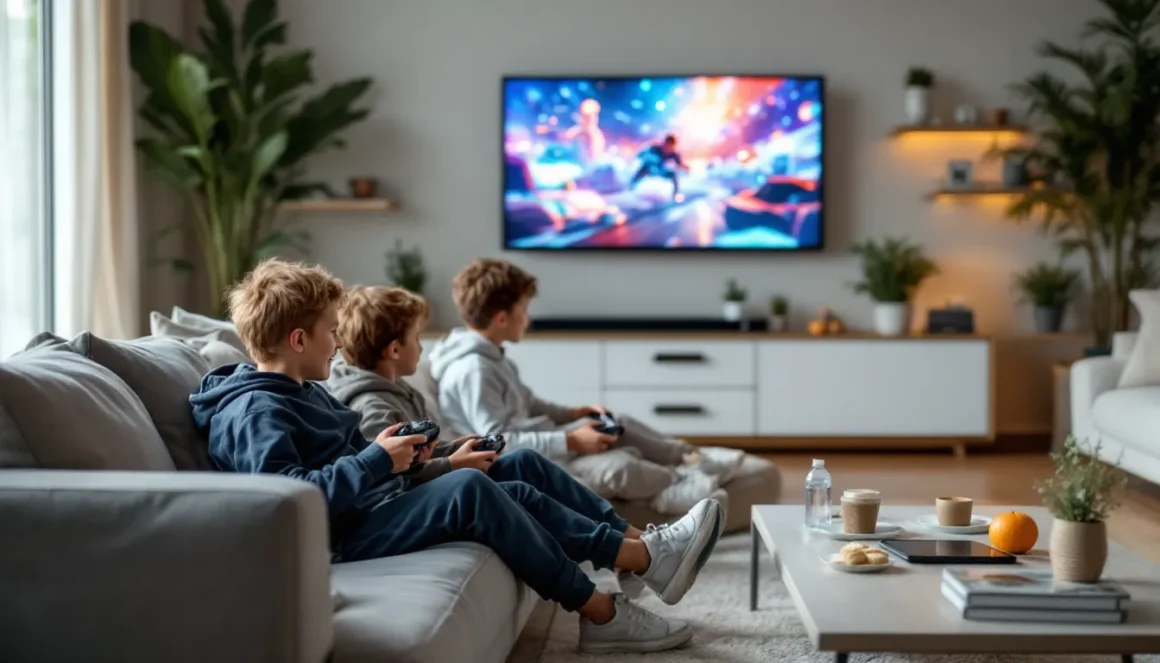
Gaming isn’t just a hobby anymore, it’s woven into the fabric of childhood. From Minecraft worlds sprawling across tablets to Fortnite squads coordinating over voice chat, kids today are growing up in an era where video games are as common as recess used to be. For parents, this shift brings both opportunity and anxiety. How much screen time is too much? Are games rotting brains or building them? What’s happening in those online lobbies, anyway?
The reality is more nuanced than the headlines suggest. Video games can be powerful tools for learning, socializing, and developing critical skills, but they also come with real risks that require active parenting. This guide cuts through the noise to give you actionable strategies, current data, and age-appropriate recommendations so you can help your kids game safely and healthily in 2026.
Key Takeaways
- Over 91% of children aged 2-17 in the US play video games regularly, making gaming a normalized part of modern childhood that requires informed parental guidance.
- Video games develop critical cognitive skills like problem-solving, spatial reasoning, and strategic thinking when kids play titles that emphasize planning and resource management.
- Modern kids playing video games build genuine social connections and teamwork skills through multiplayer experiences, providing lower-pressure environments for developing communication and collaboration.
- Screen time risks including eye strain, poor posture, and sleep disruption are manageable through the 20-20-20 rule, proper ergonomics, and enforcing gaming time limits that don’t interfere with sleep or physical activity.
- Online predators exploit kids playing games by befriending them, offering gifts, and moving conversations to private channels, making parental supervision and open communication about online encounters non-negotiable.
- Setting flexible gaming frameworks (1-1.5 hours on school nights, 2-3 hours on weekends for ages 9-12) and removing payment information from accounts protects against excessive screen time and uncontrolled spending on microtransactions.
The Current State of Kids and Video Gaming
Gaming Statistics Among Children Today
As of 2026, roughly 91% of children aged 2-17 in the United States play video games regularly, according to data from the Entertainment Software Association. That’s up from 87% in 2023, reflecting both improved accessibility and the normalization of gaming across all age groups.
The average weekly playtime varies wildly by age bracket. Kids aged 6-8 clock around 7 hours per week, while teenagers (13-17) average closer to 12-15 hours. Mobile gaming accounts for about 40% of total playtime for younger children, while console and PC gaming dominate among teens.
What’s particularly interesting is the gender distribution: gaming is now nearly equal among boys (93%) and girls (88%), a significant shift from the male-dominated stereotype of previous decades. Girls tend to gravitate toward puzzle games, life sims, and social experiences, while boys still lean more heavily into shooters and competitive multiplayer titles, though these lines continue to blur.
Popular Game Genres and Platforms for Kids
The landscape of what kids actually play has evolved dramatically. Sandbox and creative games like Minecraft and Roblox remain absolute juggernauts, with Minecraft alone boasting over 170 million monthly active users globally. These platforms double as social spaces where kids build, explore, and hang out with friends.
Battle royale games such as Fortnite continue to dominate the 10-17 age bracket, though Epic Games has rolled out more robust parental controls in recent updates. The game’s creative mode has effectively become a metaverse of user-generated content.
For younger children (ages 4-8), educational and puzzle games on mobile and Switch lead the pack. Titles like Animal Crossing: New Horizons, Pokemon games, and various LEGO adaptations offer gentler entry points.
Platform preferences break down predictably: mobile devices (phones and tablets) dominate for kids under 10, the Nintendo Switch holds strong in the 6-12 range, while PlayStation 5, Xbox Series X
|
S, and gaming PCs become more common as kids hit their teenage years. Cross-platform play has become standard, meaning your kid on Switch can often play with their friend on Xbox, a technical achievement that’s reshaped how children socialize through gaming.
The Benefits of Video Games for Children
Cognitive Development and Problem-Solving Skills
Gaming isn’t just entertainment, it’s a cognitive workout. Strategy games like Age of Empires, puzzle titles like Portal, and even action games require players to process information rapidly, make split-second decisions, and adapt to changing conditions.
Research from the University of Vermont published in 2024 found that children who played video games for three or more hours daily showed improved performance on cognitive skills tests involving impulse control and working memory compared to non-gamers. The key factor was game type: titles requiring planning, resource management, and strategic thinking showed the strongest correlation.
Spatial reasoning gets a particular boost from 3D games. Kids navigating complex environments in games like Zelda or manipulating blocks in Minecraft are essentially doing advanced geometry without realizing it. These skills transfer directly to STEM fields, many engineers and architects credit early gaming with developing their spatial intelligence.
Problem-solving in games often involves trial and error, teaching kids that failure is just iteration. When a puzzle stumps them or a boss fight requires multiple attempts, they learn persistence and analytical thinking. Compare that to traditional education where wrong answers often feel permanent.
Social Connection and Teamwork
The stereotype of the isolated gamer is wildly outdated. Modern gaming is intensely social, especially for kids. Voice chat, text messaging, and shared experiences create genuine friendships that span continents.
Multiplayer games demand communication and coordination. A squad in Fortnite needs to share resources, call out enemy positions, and make tactical decisions collectively. MMOs and co-op games like Destiny 2 or Among Us require even deeper collaboration. Kids learn to negotiate, delegate, and compromise, all while having fun.
For children who struggle with face-to-face social situations, gaming provides a lower-pressure environment to develop social skills. The shared context of a game gives natural conversation topics and goals, reducing social anxiety. Many parents report their shy kids blossoming socially through online gaming communities.
During the pandemic years of 2020-2022, gaming became a lifeline for maintaining friendships when physical meetups were impossible. That shift hasn’t reversed, gaming remains a primary social outlet for Generation Alpha and younger Gen Z kids, comparable to how previous generations hung out at malls or parks. The evolution of gaming’s social role reflects broader changes in how young people connect.
Creativity and Digital Literacy
Creative games have transformed kids from consumers to creators. Roblox Studio lets children design entire games using Lua scripting. Minecraft’s redstone circuits teach basic logic and programming concepts. Dreams on PlayStation and various mobile creation apps put sophisticated creative tools in young hands.
This isn’t just play, it’s practical digital literacy. Kids learning to mod games, design levels, or create content are developing skills directly applicable to game development, coding, digital art, and other tech careers. Some teenagers are already monetizing their creations through platforms like Roblox’s developer exchange program.
Storytelling gets a workout too. Games with narrative choices like Life is Strange or character creators like The Sims let kids express themselves and explore different perspectives. Role-playing in MMOs often involves improvisation and collaborative storytelling.
Digital citizenship starts with understanding how online spaces work. Kids who game learn about communities, moderation, and online etiquette (sometimes the hard way). They develop an intuitive understanding of digital interfaces that makes them comfortable with technology in ways that confound older generations.
Potential Risks and Concerns Parents Should Know
Screen Time and Physical Health Impact
Let’s address the elephant in the room: extended gaming sessions aren’t great for developing bodies. Prolonged sitting contributes to poor posture, and the sedentary nature of gaming can displace physical activity kids need.
The American Academy of Pediatrics recommends no more than 1-2 hours of recreational screen time daily for children 6 and older, though they acknowledge this becomes harder to enforce as kids age. The reality is most teenage gamers exceed this significantly.
Physical concerns include:
- Eye strain from extended focus on screens, particularly in poorly lit rooms
- Repetitive strain injuries in hands and wrists from controller use (“gamer’s thumb” is real)
- Sleep disruption from blue light exposure and mental stimulation before bed
- Obesity risk when gaming replaces physical activity entirely
These risks are manageable with proper habits. Regular breaks (the 20-20-20 rule: every 20 minutes, look at something 20 feet away for 20 seconds), proper ergonomics, and balancing gaming with physical activity make a huge difference. Some gaming setups now include standing desks or VR titles that require physical movement, turning play into exercise.
Online Safety and Stranger Danger
This is where parental vigilance becomes non-negotiable. Online gaming exposes kids to strangers, and not all of them have good intentions.
Predators exist in gaming spaces. They groom victims by befriending them in games, offering gifts (in-game items or real money), and gradually moving conversations to private channels. The FBI’s Internet Crime Complaint Center reports thousands of cases annually involving minors contacted through gaming platforms.
Beyond predators, kids encounter toxic behavior, harassment, hate speech, and age-inappropriate content. Voice chat in competitive games can be brutal. Slurs, threats, and bullying are unfortunately common in many online lobbies.
Data privacy is another concern. Many games collect extensive data on players, and kids don’t understand what they’re agreeing to when they accept terms of service. Free-to-play games often monetize by harvesting and selling user data.
Protective measures include:
- Keeping gaming in shared family spaces, not isolated bedrooms
- Using platform parental controls to restrict communication with strangers
- Teaching kids never to share personal information (real name, address, school, phone number)
- Regularly discussing who they’re playing with and what they’re experiencing
Guides on gaming tech setup and safety provide detailed walkthroughs for configuring secure gaming environments across different platforms.
Gaming Addiction and Behavioral Changes
Gaming disorder was recognized by the World Health Organization in 2019, and it’s a legitimate concern. Warning signs include:
- Gaming taking priority over school, family, and other responsibilities
- Loss of interest in previous hobbies and activities
- Continuing to game even though negative consequences
- Irritability, anxiety, or anger when unable to play
- Lying about time spent gaming
- Using gaming to escape problems or negative moods
True addiction is rare, estimates suggest 1-3% of gamers meet clinical criteria, but problematic gaming habits are far more common. The distinction matters: most kids can have their habits redirected with appropriate boundaries, while actual addiction may require professional intervention.
Behavioral changes to watch for include worsening grades, social withdrawal (beyond normal teenage reclusiveness), sleep pattern disruptions, and emotional volatility linked to gaming outcomes. If your kid’s mood is entirely dependent on whether they won or lost their last match, that’s a red flag.
Games are designed to be engaging, that’s not inherently evil, but mechanics like daily login rewards, battle passes, and ranked systems create psychological hooks. Recognizing these hooks helps parents understand why “just one more game” is genuinely difficult for kids to resist.
Setting Up Healthy Gaming Habits and Boundaries
Age-Appropriate Time Limits and Schedules
Rigid rules rarely work with gaming. “One hour per day” sounds reasonable until your kid points out their friends all get two hours, or that their favorite game requires 30-minute matches that can’t be paused.
Instead, consider flexible frameworks:
For ages 5-8: 30-60 minutes on weekdays, up to 90 minutes on weekends. Prioritize games that encourage creativity or learning.
For ages 9-12: 1-1.5 hours on school nights, 2-3 hours on weekends. Tie extra time to completed responsibilities (assignments, chores, physical activity).
For ages 13-17: 1.5-2 hours on weekdays, more flexibility on weekends. Negotiate based on academic performance and other commitments.
These aren’t gospel, they’re starting points for family discussion. Some kids need stricter limits: others self-regulate naturally. The key is consistency and clear expectations.
Scheduling matters as much as duration. Gaming immediately after school can interfere with assignments and reduce physical activity when kids most need to burn energy. Evening gaming can disrupt sleep if it runs too late, carry out a cutoff time (like 9 PM for younger kids, 10-11 PM for teens) to allow wind-down before bed.
Weekend and vacation flexibility acknowledges that gaming is legitimate recreation. Marathon sessions occasionally aren’t harmful if they’re balanced by active days. Think of it like watching an entire season of a show in one sitting, not ideal daily, but fine as an occasional indulgence.
Creating a Balanced Lifestyle Beyond Gaming
The goal isn’t to eliminate gaming, it’s to ensure it doesn’t crowd out everything else. A balanced childhood includes physical activity, face-to-face social interaction, creative pursuits, outdoor time, and yes, downtime that includes gaming.
Mandatory non-gaming activities create this balance:
- At least one hour of physical activity daily (sports, bike riding, active outdoor play)
- In-person social time with friends or family (not mediated through screens)
- Reading or creative hobbies (music, art, building things)
- Outdoor time, especially in natural settings
Framing these as prerequisites rather than punishments works better. “Gaming time starts after you’ve finished assignments and gotten 30 minutes outside” creates natural structure without feeling arbitrary.
Model healthy tech use yourself. Kids notice when parents scroll phones constantly then lecture about screen time. Family device-free times (like dinner) that apply to everyone build shared accountability.
Encourage gaming-adjacent interests that diversify engagement. Kids interested in Minecraft might enjoy coding camps or LEGO building. Fortnite fans might like creative writing or art classes where they can expand on the game’s universe. Recognizing broader gaming skills helps parents see connections between gaming and other developmental areas.
Some families carry out “earn your screen time” systems where physical activity, reading, or chores generate gaming credits. A 30-minute run earns 45 minutes of gaming. This gamifies real life (ironically) and ensures balance without feeling punitive.
Essential Parental Controls and Safety Features
Platform-Specific Parental Control Settings
Every major gaming platform now includes robust parental controls, but they’re useless if you don’t set them up. Here’s the breakdown by platform as of 2026:
PlayStation 5:
- Access via Settings > Family and Parental Controls
- Can restrict games by ESRB rating
- Set daily playtime limits and specific gaming hours
- Control online communication and user-generated content
- Require approval for purchases
- PS5’s Activity Card feature lets parents see exactly what games kids are playing in real-time
**Xbox Series X
|
S:**
- Managed through the Xbox Family Settings app (available on mobile)
- Screen time limits with customizable schedules
- Content filters by age rating
- Purchase restrictions and spending limits
- Activity reports showing what games were played and for how long
- Can restrict web browsing through Edge browser on console
Nintendo Switch:
- Requires separate Nintendo Switch Parental Controls app
- Restricts games by rating (ESRB or regional equivalent)
- Sets daily time limits with alerts and automatic suspension
- Monitors playtime by game title
- Restricts online features and social media sharing
- Can disable screenshots and video capture
PC Gaming (Steam, Epic Games Store):
- Steam Family View restricts game library to approved titles
- Epic Games uses Cabined Accounts for players under 13, requiring parental permission for social features
- Windows Family Safety provides system-level controls across all PC activities
- Consider third-party solutions like Qustodio or Norton Family for comprehensive monitoring
Mobile Gaming:
- iOS Screen Time can limit app usage by category and set content restrictions
- Google Play Family Link manages Android devices, setting app access and screen time limits
- Both platforms can restrict in-app purchases through password requirements
Set these up when you first introduce gaming, not after problems emerge. Kids accept controls as normal if they’re always there: implementing them later feels like punishment and invites pushback. Detailed mobile gaming management tutorials walk through platform-specific setups with screenshots and troubleshooting.
Monitoring In-Game Purchases and Microtransactions
Microtransactions are the financial minefield of modern gaming. “Free-to-play” games make money through constant pressure to buy cosmetics, battle passes, loot boxes, and pay-to-win advantages.
Kids don’t fully grasp digital money. Spending 1,000 V-Bucks in Fortnite feels different than handing over $10 in physical cash. This disconnect leads to those horror stories of kids racking up thousands in charges.
Protective steps:
- Remove payment information from gaming accounts or require password/biometric authentication for every purchase
- Use prepaid cards instead of linking credit cards, this creates a finite budget
- Explain opportunity cost, that $20 skin could be two movie tickets or a physical toy
- Review purchase history regularly through platform accounts
- Set up purchase notifications via email so you know immediately when money is spent
Some platforms allow monthly spending limits. Xbox and PlayStation can cap purchases at amounts you set. Nintendo’s approach is more limited, but you can restrict the eShop entirely.
Teach financial literacy through gaming. Give kids a monthly gaming budget they manage themselves. If they blow it all on a flashy skin in week one, they wait until next month. The consequences are mild but the lesson sticks.
Loot boxes deserve special mention, they’re essentially gambling mechanics targeting kids. Countries like Belgium and the Netherlands have banned them. Games like FIFA, NBA 2K, and many mobile titles use them extensively. If a game centers around loot boxes, consider whether it’s appropriate for your child regardless of the ESRB rating.
Best Age-Appropriate Games for Kids by Platform
Top PC Games for Young Gamers
PC gaming offers incredible variety, from educational titles to complex strategy games that grow with your child.
Ages 4-7:
- ABCmouse and Reading Eggs gamify early learning with reading, math, and science activities
- Toca Life World provides open-ended creative play in a safe digital dollhouse environment
- Stardew Valley teaches resource management and planning in a charming farming sim (suitable for kids who can read)
Ages 8-12:
- Minecraft remains the gold standard, creative, educational, and endlessly engaging
- Slime Rancher 2 combines exploration, resource management, and adorable creature collection
- Terraria offers 2D sandbox adventuring with more combat than Minecraft but still appropriate
- Portal 2 (for older end of range) teaches physics and logic through ingenious puzzle design
Ages 13+:
- Civilization VI develops strategic thinking and introduces world history
- Stardew Valley appeals across ages with deeper mechanics older kids appreciate
- Hades offers challenging but fair combat with Greek mythology themes
- The Sims 4 lets teens experiment with life simulation and creative expression
PC also provides access to educational game platforms like Kerbal Space Program (physics and rocket science), CodeCombat (teaches actual programming), and Typing of the Dead (improves typing speed through zombie shooting, weird but effective).
Console Gaming Favorites for Children
Consoles offer the most curated, family-friendly libraries, especially Nintendo.
Nintendo Switch (Ages 5+):
- Animal Crossing: New Horizons, relaxing, creative, and genuinely wholesome
- Mario Kart 8 Deluxe, accessible racing with assist features for younger players
- Super Mario Odyssey and Super Mario Wonder, platforming excellence that’s challenging but never frustrating
- Pokémon Scarlet/Violet, collecting, battling, and exploration in a kid-friendly RPG
- Splatoon 3, colorful team-based shooter with paint instead of blood
- Kirby and the Forgotten Land, adorable co-op adventure perfect for parent-child gaming
PlayStation 5 (Ages 10+):
- Ratchet & Clank: Rift Apart, action-adventure with stunning visuals and humor
- Sackboy: A Big Adventure, cooperative platforming that’s family-friendly
- Gran Turismo 7, racing simulation for car-obsessed kids (Sport mode for teens)
- Spider-Man games, superhero action that’s exciting but not excessively violent
**Xbox Series X
|
S (Ages 10+):**
- Forza Horizon 5, open-world racing that’s accessible and beautiful
- Minecraft (best on Xbox due to cross-play and Realms integration)
- Sea of Thieves, pirate adventures emphasizing cooperation and exploration
- Ori and the Will of the Wisps, gorgeous platformer with emotional storytelling
Game Pass (Xbox’s subscription service) offers exceptional value for families, providing access to hundreds of games including many child-appropriate titles. It’s worth considering for variety without constant purchases. Comprehensive console game guides break down mechanics and age-appropriateness with detailed walkthroughs.
Safe and Educational Mobile Games
Mobile gaming is tricky, the platform is saturated with predatory free-to-play titles and inappropriate ads. Curating quality apps takes effort.
Ages 3-6:
- PBS Kids Games, collection of educational games featuring familiar characters, completely free with no ads
- Toca Kitchen series, creative cooking games encouraging experimentation
- Endless Alphabet and Endless Numbers, engaging early learning with appealing design
- Duck Duck Moose games, reading, math, and creativity from a trusted educational developer
Ages 7-10:
- Minecraft (mobile version requires careful server selection)
- Pokémon GO, encourages outdoor activity while collecting Pokémon (requires parental supervision)
- Monument Valley 1 & 2, beautiful puzzle games teaching spatial reasoning
- DragonBox series, disguises algebra and geometry as engaging puzzles
Ages 11+:
- Alto’s Odyssey, meditative endless runner with gorgeous visuals
- Plague Inc., strategy game about epidemiology (darkly educational given recent history)
- Rebel Inc., political strategy about nation-building and stabilization
- Polytopia, simplified 4X strategy perfect for touchscreens
Prioritize paid games over free-to-play for younger kids. The $5 you spend on Monument Valley buys a complete experience without microtransactions, ads, or psychological manipulation. Apple Arcade and Google Play Pass subscriptions provide access to curated, ad-free games for a monthly fee, worth considering for families.
Always check app permissions before installing. Games don’t need access to contacts, microphone, or camera unless there’s a clear reason. Many sketchy apps request far more access than they need.
How to Talk to Your Kids About Gaming
Building Open Communication About Online Experiences
The worst approach is interrogation. “Who were you talking to? What did they say? Show me your chat logs.” shuts down communication immediately. Kids will hide their gaming lives if they expect judgment or overreaction.
Instead, express genuine interest. Ask about what happened in their game session, not to police it, but because you care about their interests. “How did your raid go?” or “Did you finish that build you were working on?” signals that gaming is a legitimate topic of conversation.
Play with them. Even if you’re terrible (expect to be gently mocked), participating gives you insight into their gaming world and creates shared experiences. You’ll see firsthand what they encounter, understand the game’s appeal, and have natural opportunities to discuss any concerns.
When concerning situations arise, someone says something inappropriate, a stranger asks personal questions, they witness bullying, you want kids to come to you rather than handle it alone. That only happens if they trust you’ll respond proportionally.
Respond calmly to what they share. If your kid mentions another player was “being toxic,” don’t immediately ban them from the game. Ask what happened, discuss why people behave that way online (anonymity, competition, personal issues), and talk through appropriate responses (muting, blocking, reporting).
Share your own online experiences, both positive and negative. Admitting you’ve encountered jerks on the internet normalizes their experiences and models healthy responses.
Establish that certain topics are never off-limits: if anyone makes them uncomfortable, asks to move to private chat, requests personal information, or talks about meeting in person, they can always tell you without fear of losing gaming privileges. Predators depend on kids’ fear of consequences, remove that fear.
Teaching Digital Citizenship and Respectful Gaming
Your kid will encounter toxicity in online gaming, that’s unavoidable. What matters is whether they become part of the problem or part of the solution.
Model and teach:
- Good sportsmanship: Winning gracefully and losing without raging. Everyone has bad games: toxic behavior makes it worse.
- Positive communication: Encouraging teammates rather than flaming them when they mess up.
- Inclusive language: Not using slurs, avoiding jokes at others’ expense, and calling out (or muting and reporting) those who do.
- Respecting boundaries: Not spamming invites, accepting when someone doesn’t want to play, and understanding consent applies in digital spaces.
Explain the permanence of digital behavior. Screenshots exist. Voice chat is recordable. Reputation follows you across games and platforms. A racist rant at 14 can resurface at 24 during a job search.
Reporting and blocking aren’t “snitching”, they’re maintaining community standards. Show kids how these tools work and encourage using them when encountering harmful behavior. Platforms can’t moderate what they don’t know about.
Discuss gaming’s cultural evolution and community standards to help kids understand they’re part of shaping gaming culture, not just passive participants.
Teach critical thinking about online personas. People lie about age, gender, identity, and intentions. Someone claiming to be a 12-year-old girl might be a 40-year-old man. Verify nothing, trust carefully, and never share personal information.
Privacy extends to others. Don’t share friends’ real names, schools, or locations without permission. Don’t screenshot private conversations to mock or share. Apply to others the privacy standards you want for yourself.
Making Gaming a Family Activity
Gaming doesn’t have to be isolating, it can be bonding time. Family gaming creates shared experiences, teaches cooperation, and gives you insight into your kids’ interests while having fun together.
Co-op games shine for family play:
- It Takes Two, specifically designed for two players working together (though note some mature themes, preview first)
- Overcooked 2, chaotic cooperative cooking that’s hilarious and frantic
- Moving Out, furniture moving simulator requiring coordination and communication
- Minecraft, build family projects together, exploring and creating in shared worlds
- Mario Kart 8 Deluxe, competitive but accessible, with assists for less experienced players
- Animal Crossing: New Horizons, visit each other’s islands, trade items, and collaborate on designs
Establish family gaming nights, not forced, but regular opportunities to play together. Let kids pick games (within reason) so they’re invested. Trade off who chooses each week.
Embrace your incompetence. Kids often find it genuinely delightful when parents struggle with games they find easy. It’s role reversal, they get to be the expert teaching you. Lean into it rather than getting frustrated.
Combine gaming with offline activities. Build LEGO sets inspired by Minecraft creations. Have themed dinners based on games you’re playing. Draw fan art together. These extensions deepen engagement and creativity.
Family tournaments add excitement: Mario Kart championship brackets, Pokémon battle tournaments, or speedrunning competitions (who can complete a level fastest). Small prizes or bragging rights are sufficient stakes. Exploring board gaming alternatives can complement video game family time with analog experiences.
Respect when kids want solo gaming time too. Not every session needs to be supervised or shared. Privacy and independence matter, especially for teenagers. Find the balance between involvement and hovering.
Conclusion
Video games are neither the enemy nor a miracle cure, they’re tools. Used thoughtfully, they develop skills, build relationships, and provide joy. Used carelessly, they can consume time, expose kids to harm, and displace healthier activities.
Your job isn’t to eliminate gaming from childhood, but to shape how it fits into a balanced, healthy life. Set appropriate boundaries. Use available safety tools. Stay engaged with what your kids are playing and who they’re playing with. Model the tech habits you want to see.
Most importantly, remember that effective parenting in the digital age requires flexibility and communication. Rules matter, but so does trust. Technology changes fast, but core principles, safety, balance, respect, and open dialogue, remain constant.
Gaming is part of your kids’ world. Rather than fighting that reality, work with it. The parents who navigate this successfully aren’t the most restrictive or the most permissive, but the most engaged, the ones who take the time to understand what their kids love about gaming and guide them toward healthy, positive experiences within it.