Fat Guy Playing Video Games: Breaking Stereotypes and Embracing Gaming Culture in 2026
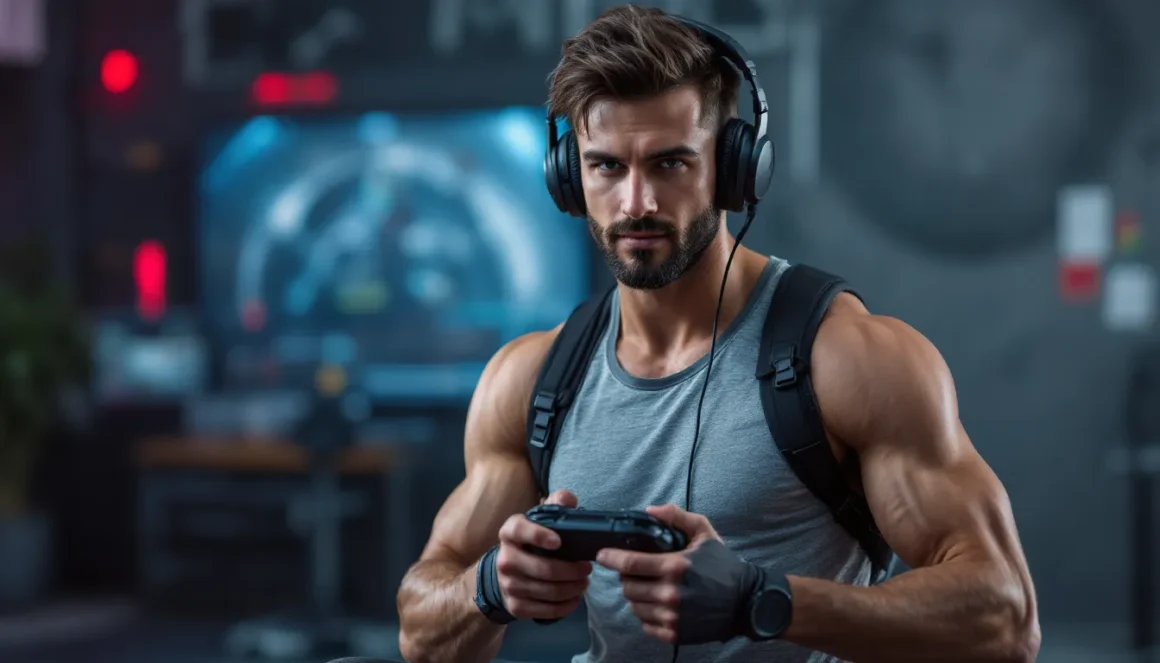
The image is everywhere: a guy in a basement, surrounded by energy drink cans, controller in hand, barely moving except to mash buttons. It’s the “fat guy playing video games” trope, and it’s been a punchline in sitcoms, memes, and casual conversations for decades. But here’s the thing, that stereotype doesn’t match the reality of modern gaming culture.
In 2026, gamers come in every shape, size, and fitness level. The industry has evolved, and so has the community. Professional esports athletes train like traditional sports stars, fitness games have carved out their own genre, and body-positive representation in games is finally getting the spotlight it deserves. Yet the old stereotypes linger, doing damage to how gamers see themselves and how the outside world sees the hobby.
This article breaks down where that stereotype came from, why it’s stuck around, and what the actual landscape of gaming and health looks like today. More importantly, it offers practical steps for anyone who wants to balance their passion for gaming with physical wellness, without sacrificing time in front of the screen.
Key Takeaways
- The ‘fat guy playing video games’ stereotype is outdated and doesn’t reflect modern gaming’s diverse demographics—67% of Americans game regularly across every body type and fitness level.
- Professional esports athletes and top streamers now openly prioritize fitness routines, nutrition plans, and mental health as performance-enhancing strategies, proving gaming and physical wellness are complementary.
- Health challenges like posture issues, eye strain, and sedentary weight gain are fixable through ergonomic setup, movement breaks every 60-90 minutes, and mindful nutrition strategies.
- Fitness gaming titles like Ring Fit Adventure and Beat Saber deliver real workout results, with VR games burning 3-8 calories per minute—comparable to moderate-intensity exercise.
- Gaming communities increasingly celebrate body-positive representation, with inclusive character design and supportive spaces where gamers of all body types feel welcome.
- Balancing gaming passion with physical wellness isn’t about sacrifice—it’s about intentional choices like ergonomic desk setup, meal prep, and setting boundaries that enhance both performance and longevity.
Understanding the ‘Fat Guy Playing Video Games’ Stereotype
Origins of Gaming Stereotypes in Popular Culture
The “fat guy gamer” image didn’t appear out of nowhere. It was crafted by decades of media portrayals, starting in the 1980s and 1990s when video games were still seen as a fringe hobby for kids and social outcasts. TV shows and movies leaned hard into the visual shorthand: overweight, socially awkward characters hunched over arcade cabinets or consoles, isolated from the “real world.”
Think about The Simpsons’ Comic Book Guy or the basement-dwelling gamer in countless sitcoms. These characters became cultural touchstones, embedding the idea that gaming was for people who couldn’t, or wouldn’t, engage in physical activity or social interaction. The stereotype stuck because it was easy, recognizable, and played into broader anxieties about technology replacing traditional hobbies.
By the time the internet exploded in the 2000s, the meme culture around “neckbeards” and “basement dwellers” cemented the image even further. It became a self-perpetuating cycle: media portrayed gamers one way, audiences internalized it, and the stereotype became “truth” by repetition.
Why This Stereotype Persists Today
You’d think that with gaming becoming mainstream, pulling in over $200 billion globally in 2025, the old stereotypes would’ve died off. But they haven’t, and there are a few reasons why.
First, confirmation bias. When people see a gamer who fits the stereotype, it reinforces the belief. When they see a fit, active gamer, it’s dismissed as an exception. Second, gaming is still a sedentary activity by design. Sitting for hours at a desk or couch is the default experience for most titles, and that association with inactivity feeds the perception.
There’s also a generational gap. Older generations who didn’t grow up gaming still hold outdated views, and those attitudes trickle into workplace culture, family dynamics, and media portrayals. Add in the fact that gaming culture itself has historically leaned into self-deprecating humor, jokes about Doritos, Mountain Dew, and marathon sessions, and you get a stereotype that’s reinforced from both inside and outside the community.
But here’s the kicker: the stereotype ignores the sheer diversity of who actually plays games in 2026. It’s time to look at the numbers.
The Reality: Gaming Demographics Are More Diverse Than Ever
Current Statistics on Gamer Body Types and Health
The Entertainment Software Association’s 2025 report showed that 67% of Americans play video games regularly. That’s over 220 million people across every demographic, age, gender, ethnicity, and yes, body type. The average gamer is 32 years old, employed, and just as likely to be a parent balancing family life as a college kid pulling all-nighters.
As for body types, there’s no monolithic “gamer physique.” Studies on gamer health show a distribution that mirrors the general population: some are overweight, some are underweight, many are average, and plenty are highly active. A 2024 study from the University of Queensland found that gamers who play more than 20 hours a week had slightly higher BMI averages compared to non-gamers, but the difference was marginal, and correlation isn’t causation. Sedentary jobs, diet, and lifestyle factors play a much bigger role than gaming alone.
What’s more telling is that gaming culture itself has expanded to include people who’ve never fit the old stereotype. Mobile gaming brought in millions of casual players who game on the go. Fitness gaming pulled in people who’d never touched a console. And competitive gaming’s explosion into the mainstream has attracted athletes from traditional sports looking for a new challenge.
Professional Gamers and Fitness: Breaking the Mold
Professional esports athletes are blowing up the old image. Top-tier players like Hiko (Valorant), Doublelift (League of Legends), and Ninja (Fortnite) have all talked openly about fitness routines, nutrition plans, and mental health practices. It’s not just vanity, it’s performance optimization.
Reaction time, focus, and endurance all improve with physical fitness. Teams like TSM, Fnatic, and Cloud9 now employ personal trainers, nutritionists, and sports psychologists. Players hit the gym, track macros, and prioritize sleep because their careers depend on peak cognitive and physical performance.
Take Zeus from T1’s League of Legends roster. In interviews during the 2025 Worlds run, he talked about daily cardio and weight training as part of his prep. Or look at Jstn from NRG’s Rocket League squad, who’s posted workout routines on social media to stay sharp during tournament seasons.
This shift isn’t just at the pro level. Streamers and content creators are increasingly transparent about health goals, workout challenges, and weight loss journeys. It’s normalizing the idea that you can be deeply into gaming and take your physical health seriously. The two aren’t mutually exclusive, they’re complementary.
Health Challenges Gamers Actually Face
Sedentary Lifestyle and Weight Management
Let’s be real: gaming is a sitting sport. Whether you’re grinding ranked matches, raiding in an MMO, or working through a 100-hour RPG, you’re likely doing it from a chair. And prolonged sitting is linked to weight gain, slower metabolism, and increased risk of cardiovascular issues.
The problem isn’t gaming itself, it’s the lack of movement. When someone sinks four hours into Elden Ring or Call of Duty, that’s four hours of near-zero calorie burn. Pair that with snacking (chips, candy, soda) and it’s easy to see how weight can creep up over time.
But weight management is about total lifestyle, not just gaming hours. Gamers who balance their sessions with regular physical activity, meal planning, and conscious movement can maintain healthy weight just as easily as anyone else. The key is awareness and intentionality, which a lot of gamers lack simply because it’s not part of the cultural conversation yet.
Posture, Eye Strain, and Long Gaming Sessions
Weight isn’t the only health concern. Posture issues are rampant among gamers, especially those who game on poorly set-up desks or slouch on couches. Forward head posture, rounded shoulders, and lower back pain are the trifecta of “gamer neck.”
Then there’s eye strain. Staring at screens for hours without breaks causes digital eye fatigue, dry eyes, headaches, and blurred vision. The American Optometric Association recommends the 20-20-20 rule: every 20 minutes, look at something 20 feet away for at least 20 seconds. Most gamers don’t do this, especially mid-match.
Carpal tunnel syndrome and repetitive strain injuries are also common, particularly among mouse-and-keyboard players and competitive FPS gamers. High APM (actions per minute) games like StarCraft II or rhythm games like osu. can put serious strain on wrists and tendons.
These issues are fixable with proper setup, regular breaks, and awareness. But they’re often ignored until pain becomes chronic.
Mental Health and Gaming Balance
Mental health is another critical piece. Gaming can be a healthy escape, a way to decompress, socialize, and engage in meaningful challenges. But when it tips into compulsion or replaces other aspects of life, sleep, relationships, responsibilities, it becomes a problem.
Gaming disorder is recognized by the WHO as a condition characterized by impaired control over gaming, prioritization of gaming over other activities, and continuation even though negative consequences. It’s rare (affecting 2-3% of gamers), but for those it impacts, it’s serious.
More common is the mental fatigue from grinding competitive ladders, dealing with toxic communities, or feeling pressure to perform in ranked modes. Burnout, anxiety, and tilt are real psychological challenges that successful online gamers learn to manage with breaks, mindfulness, and setting boundaries.
Practical Tips for Healthy Gaming Habits
Setting Up an Ergonomic Gaming Station
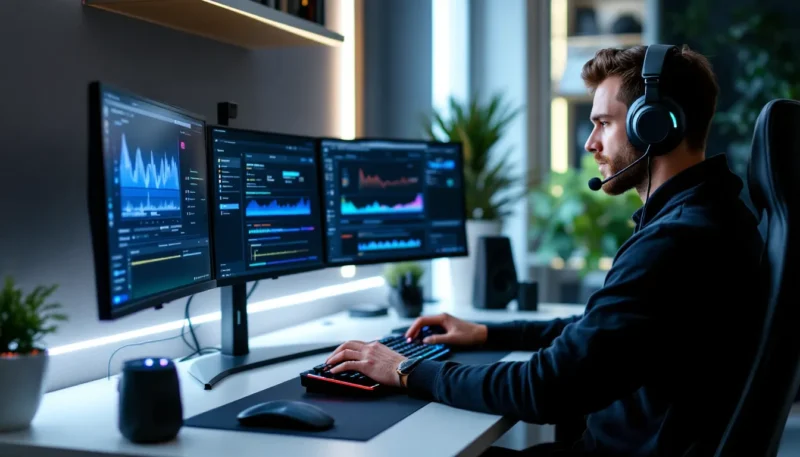
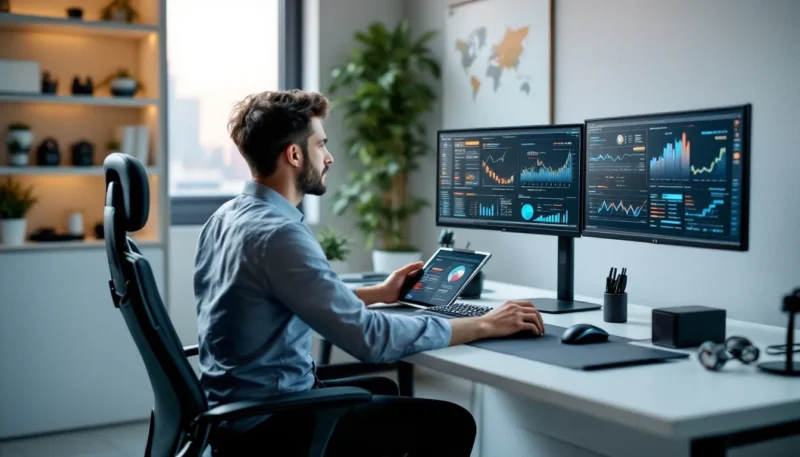
Your setup matters more than you think. An ergonomic gaming station reduces strain, prevents injury, and actually improves performance over long sessions.
Start with your chair. It should support your lumbar curve, allow your feet to rest flat on the floor, and keep your hips at a 90-110 degree angle. Gaming chairs are popular, but a good office chair with adjustable armrests and lumbar support works just as well.
Monitor height is critical. The top of your screen should be at or slightly below eye level, about an arm’s length away. This prevents neck strain. If you’re on a laptop, use a stand and external keyboard to hit the right height.
Keyboard and mouse placement: keep them close enough that your elbows stay at a 90-degree angle and your wrists remain neutral. Consider a wrist rest for long sessions, and look into ergonomic mice if you’re experiencing hand fatigue.
Lighting also matters. Avoid glare on your screen and use ambient lighting to reduce eye strain. Blue light filters (built into Windows and macOS, or via glasses) can help if you game late into the night.
Many gaming setup guides walk through desk layout, cable management, and accessory choices that make a difference in long-term comfort.
Incorporating Movement Into Your Gaming Routine
Movement doesn’t have to mean stopping your gaming session entirely. Small adjustments add up.
Set a timer. Every 60-90 minutes, get up for 5-10 minutes. Walk around, do some stretches, or knock out a quick set of push-ups or squats. This breaks up the sitting time and gets blood flowing.
Active breaks between matches. Waiting for a queue to pop? Do a plank. Loading screen? Stretch your hamstrings. It sounds silly, but these micro-movements combat sedentary effects.
Standing desk setups are another option. Alternating between sitting and standing throughout the day reduces the risks associated with prolonged sitting. Some gamers use adjustable desks and game while standing for a round or two.
Desk exercises are also a thing. Leg raises, seated twists, shoulder rolls, and wrist stretches can all be done without leaving your chair.
The goal isn’t to become a gym rat overnight, it’s to introduce consistent, small habits that offset the downsides of a sedentary hobby.
Nutrition Strategies for Gamers
What you eat while gaming matters as much as how you move. The stereotype of junk food and energy drinks is real for some, but it doesn’t have to be.
Meal prep is your friend. Having healthy snacks ready, cut veggies, fruit, nuts, protein bars, means you’re less likely to reach for chips or candy mid-match.
Hydration is underrated. Dehydration affects focus and reaction time. Keep water at your desk and sip throughout your session. Energy drinks are fine occasionally, but they shouldn’t replace actual hydration.
Avoid heavy meals right before gaming. They make you sluggish. Instead, eat balanced meals with protein, healthy fats, and complex carbs a couple of hours before a long session.
Mindful snacking: if you’re going to snack, portion it out. Don’t bring the whole bag to your desk. It’s easy to mindlessly demolish a family-size bag of Doritos when you’re focused on a boss fight.
Some gamers even track macros and calories, treating nutrition like part of their gaming prep. It’s not necessary for everyone, but if you’re serious about performance or weight management, it’s worth considering.
Fitness Gaming: Making Exercise Part of the Experience
Best Fitness Games for Weight Loss and Activity
Fitness gaming has come a long way from Wii Fit. Modern fitness games are legitimately challenging workouts that happen to be fun.
Ring Fit Adventure (Nintendo Switch) is the gold standard. It combines RPG progression with bodyweight exercises controlled by a resistance ring and leg strap. A full playthrough can burn serious calories, and the difficulty scales to your fitness level.
Beat Saber (VR) is another standout. Slashing blocks to music is a cardio workout in disguise. Custom songs and higher difficulties turn it into a legitimate sweat session. Players regularly report losing weight from consistent Beat Saber sessions.
Supernatural (Meta Quest) offers VR fitness classes with professional coaching, set in stunning virtual environments. It’s subscription-based but includes boxing, flow (rhythm-based movement), and meditation.
Just Dance 2026 is accessible, high-energy, and tracks calories burned. It’s great for getting the whole household moving.
Fitness Boxing (Switch) and Les Mills Body Combat (VR) bring martial arts-inspired workouts to home consoles, complete with technique feedback and progression systems.
These aren’t gimmicks. Consistent play, 30-60 minutes, 3-5 times a week, delivers real fitness results.
VR Gaming as a Workout Alternative
VR gaming in general, even outside dedicated fitness titles, burns more calories than traditional gaming. A 2023 study from the Virtual Reality Institute of Health and Exercise found that active VR games burn 3-8 calories per minute, comparable to moderate-intensity exercise.
Games like Gorilla Tag, Pistol Whip, Synth Riders, and Blade & Sorcery involve constant movement, ducking, lunging, swinging, and jumping. An hour in these games leaves you sweating, even if you weren’t trying to work out.
Half-Life: Alyx and Resident Evil 4 VR require physical engagement in ways flat-screen games don’t. You’re crouching behind cover, reaching for ammo, and leaning around corners. It’s not a gym session, but it’s far from sedentary.
VR headsets like the Meta Quest 3 and PlayStation VR2 also have built-in fitness tracking, showing calories burned and active minutes. Some gamers have replaced traditional cardio with VR sessions, finding it easier to stay consistent when the workout feels like play.
Body Positivity and Representation in Gaming
Plus-Size Characters and Inclusive Game Design
Representation in games has historically been terrible. For decades, protagonists were overwhelmingly thin, muscular, and conventionally attractive. Plus-size characters, when they appeared at all, were comic relief or villains.
That’s changing, slowly but surely. Games like Life is Strange: True Colors feature characters with diverse body types portrayed with depth and respect. Overwatch 2 includes heroes like Roadhog and Mei, who don’t fit the “hero physique” but are badass in their own right.
WWE 2K and sports titles have improved body diversity in create-a-character modes, allowing players to design avatars that reflect their own bodies. Cyberpunk 2077 and Baldur’s Gate 3 offer extensive customization, including body size sliders, scars, and features that move away from idealized defaults.
Indie games are often ahead of the curve. Ikenfell, A Short Hike, and Goodbye Volcano High feature plus-size protagonists whose bodies are simply part of who they are, not a defining trait or punchline.
According to coverage on gaming culture outlets, players are increasingly vocal about wanting characters who look like them. Developers are listening, and 2026 has seen more inclusive character design than any year prior.
Gaming Communities That Celebrate All Body Types
The gaming community isn’t a monolith. While toxic corners exist, there are thriving spaces that celebrate body positivity and inclusivity.
Subreddits like r/GirlGamers and r/gamingsuggestions often highlight games with diverse representation. Discords and Twitch communities focused on inclusive gaming foster environments where players of all shapes, sizes, and backgrounds feel welcome.
Streamers like Pokimane, HasanAbi, and CohhCarnage have large, body-positive communities that push back against toxic stereotypes. Plus-size streamers and content creators are also carving out space, sharing their gaming experiences and challenging the idea that you need to look a certain way to be a “real gamer.”
Events like GaymerX and Game Devs of Color Expo prioritize inclusivity, creating spaces where marginalized gamers, including those who don’t fit conventional beauty standards, can connect, create, and celebrate.
Success Stories: Gamers Who Transformed Their Health
Real gamers, real transformations. These aren’t influencer ads, they’re people who balanced their love of gaming with serious health changes.
Boogie2988 (Steven Williams), a YouTuber and streamer, documented his weight loss journey publicly, including gastric bypass surgery and lifestyle overhaul. At his peak, he weighed over 500 pounds. Through surgery, therapy, and gradual habit changes, he lost significant weight while continuing to create gaming content. His story isn’t without struggles, but it’s a transparent look at the challenges gamers face.
Maximilian Dood, a fighting game content creator, talked openly about his fitness journey in 2024. He integrated daily workouts, cut back on fast food, and lost over 40 pounds while maintaining his streaming schedule. He’s said that fitness improved his focus and helped him perform better in competitive matches.
GiantWaffle, a variety streamer, shared his transformation in 2022-2023, losing over 70 pounds through portion control, meal prep, and VR fitness games. He streamed some of his workouts and talked candidly about the mental shift required to prioritize health.
On Reddit and fitness forums, countless gamers share their own stories. Some monetized their gaming passion while simultaneously getting fit, proving that gaming and health goals aren’t competing priorities, they’re parallel pursuits.
These stories matter because they’re proof that change is possible without giving up gaming. It’s about balance, not sacrifice.
Balancing Gaming Passion with Physical Wellness
Balance isn’t about perfection. It’s about awareness and intentional choices.
For gamers, that means recognizing when sessions tip into unhealthy territory, skipping meals, losing sleep, or neglecting physical activity for days on end. It means setting boundaries, like a hard stop time for ranked queues or scheduling rest days from competitive grind.
It also means integrating health into the gaming lifestyle rather than treating them as separate. Use load screens for stretches. Prep healthy snacks before a raid night. Join a gym or start a walking routine with the same dedication you’d bring to mastering a new legend or hitting diamond rank.
The mental side matters too. Gaming should be a source of joy and challenge, not stress or compulsion. When it stops being fun, take a break. Play something different, or step away entirely for a day or two. Your rank will still be there.
Physical wellness enhances gaming performance and longevity. Better fitness means better focus, faster reaction times, and fewer injuries. It means you can play at your best for years, not burn out at 25 because your body can’t keep up.
For equipment and optimization tips, resources from sites like Tom’s Guide offer deep dives into building setups that support both performance and health.
Eventually, the goal is simple: be the gamer you want to be, for as long as you want to do it. That requires taking care of the body that makes it all possible.
Conclusion
The “fat guy playing video games” stereotype is outdated, reductive, and increasingly irrelevant in 2026. Gaming culture is broader, more diverse, and more health-conscious than ever before. But stereotypes fade slowly, and the best way to kill them is by living differently and sharing those stories.
Gamers who prioritize physical wellness alongside their passion for gaming aren’t unicorns, they’re the new normal. Whether it’s through fitness games, ergonomic setups, intentional movement, or just being mindful about health, the path forward is clear.
You don’t have to choose between gaming and health. You can have both, and when you do, both get better.