Minecraft House Ideas: 50+ Creative Builds to Transform Your World in 2026
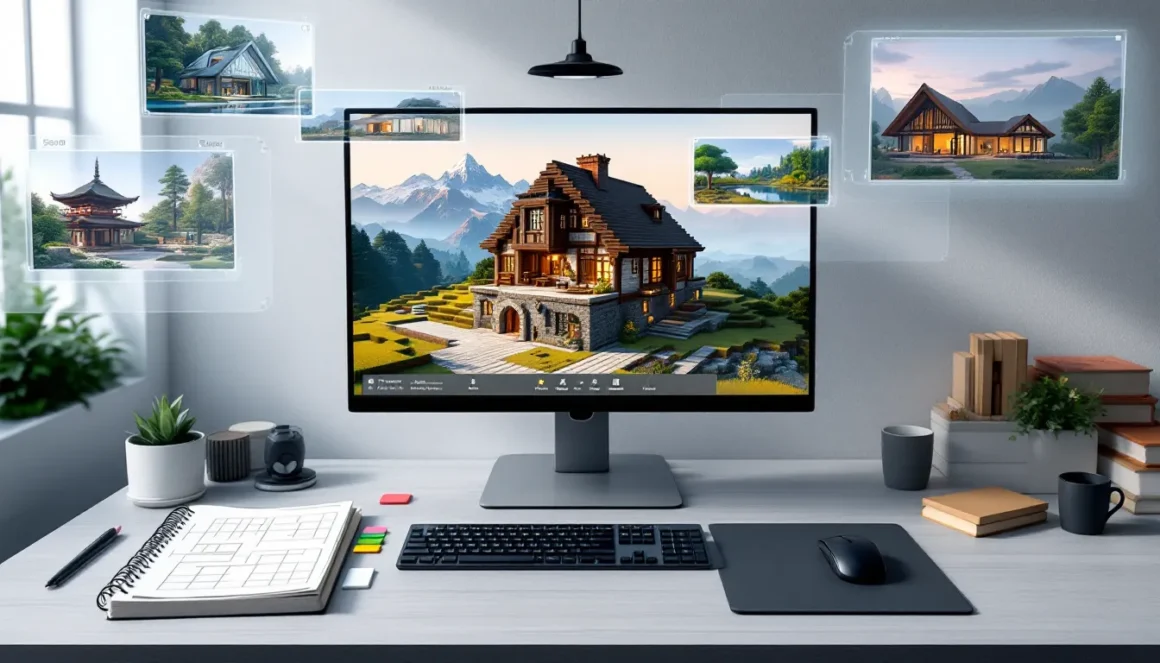
Building a house in Minecraft is more than placing blocks, it’s where creativity meets survival, where your building skills get tested, and where you’ll spend hundreds of hours expanding your base. Whether you’re a first-timer punching trees at dusk or a veteran builder with shulker boxes full of rare materials, the house you build defines your entire playthrough.
This guide covers over 50 house ideas spanning beginner-friendly starter bases to complex architectural masterpieces. Each build includes material recommendations, structural tips, and design principles that work across Java Edition and Bedrock Edition (PC, PlayStation, Xbox, Nintendo Switch, and Mobile). The ideas are organized by skill level and biome, so you can jump straight to builds that match your resources and experience.
Key Takeaways
- House ideas in Minecraft span from simple 9×9 starter boxes to complex architectural projects like pagodas and sky castles, organized by skill level and biome to match your experience.
- A well-designed house improves gameplay by organizing resources, preventing mob spawns with proper lighting, and reducing travel time through strategic resource placement.
- Beginner-friendly Minecraft house ideas like wooden cabins and dirt dugouts require minimal materials but set the foundation for expanding your base as you gather resources.
- Intermediate and advanced builds use depth techniques like recessed windows, material contrasts, and asymmetrical designs to transform plain structures into visually compelling homes.
- Biome-specific themes—from desert sandstone palaces to snowy mountain chalets and jungle canopy hideouts—allow your house to blend naturally with the surrounding environment.
- The best Minecraft houses evolve modularly over time, starting with functional cores and expanding with decorative elements and additional wings as your material stockpile grows.
Why Your Minecraft House Matters
Your base isn’t just shelter from mobs, it’s your crafting hub, storage system, enchanting station, and trophy room rolled into one. A well-designed house improves gameplay efficiency by organizing resources, protecting villagers, and providing quick access to essential tools.
Functionality beats aesthetics in the first night, but long-term builds benefit from intentional design. Houses with proper lighting prevent mob spawns. Strategic placement near resources (water, mines, villages) cuts travel time. Vertical builds save ground space for farms, while underground bases hide your valuables from griefers on multiplayer servers.
The best houses evolve with your playthrough. Start with a simple box, then expand room by room as you gather materials. Modular designs let you add wings, towers, or basement levels without demolishing your original structure. This approach works especially well in Survival mode, where material costs matter.
Beginner-Friendly Minecraft House Ideas
Simple Starter House
The classic 9×9 cobblestone box remains the most practical first-night build. Four walls, a door, torches, and a roof, done in minutes with materials you gather while exploring.
Materials needed:
- 200-300 cobblestone or wood planks
- 10 torches
- 1 door
- Glass panes (optional for windows)
Upgrade the exterior by mixing cobblestone with stone bricks or adding oak wood trim. Place crafting tables, furnaces, and a bed inside. Leave space for chests, you’ll need more storage than you think.
Frame windows with trapdoors or stairs to add depth. A simple peaked roof using stairs prevents the “boring box” look while keeping construction fast.
Cozy Wooden Cabin
Wooden cabins blend into forest and plains biomes while offering more visual appeal than cobblestone starter boxes. The structure uses spruce logs for the frame and spruce planks for walls, creating natural color contrast.
Core design elements:
- 7×9 footprint with peaked roof
- Log corner posts and roof beams
- Plank walls with window cutouts
- Stone brick fireplace (decorative)
Add a small porch using oak fences and stairs. Place lanterns instead of torches for softer lighting. Interior design options include bookshelves, looms, and crafting stations tucked into corners.
For players interested in expanding this concept, spruce cabin designs work exceptionally well in taiga and snowy biomes where spruce wood is abundant.
Dirt Dugout Survival Base
Dig three blocks into a hillside, hollow out a 5×5 room, add a door, you’ve got emergency shelter that’s nearly invisible from the surface. Dirt dugouts are temporary solutions, but they’re perfect when night falls before you’ve gathered proper building materials.
Advantages:
- Instant camouflage in multiplayer
- Zero rare materials required
- Natural mob protection
Limitations:
- Creeper explosions deal extra damage to dirt
- Dark interiors need heavy lighting
- Water seepage in some biomes
Replace dirt walls with cobblestone or planks as resources accumulate. Many players keep their original dugout as a hidden storage vault even after building above-ground bases.
Intermediate Minecraft House Builds
Medieval Manor House
Medieval builds use stone bricks, oak logs, and cobblestone to create structures with historical flair. The manor design features a main hall (15×10), tower (5x5x20), and attached stable or storage wing.
Construction details:
- Stone brick walls with log frame accents
- Dark oak or spruce roof using stairs and slabs
- Arched doorways created with stairs and slabs
- Cobblestone foundation raised 1-2 blocks
Add depth by setting windows back one block and using stairs as exterior trim. Interior floors work well with a checkerboard pattern mixing stone bricks and andesite. Hang chandeliers from oak fences and place armor stands as decorative guards.
Connect buildings with cobblestone pathways to create a compound feel. Medieval builds scale well, add guard towers, walls, or a courtyard as your resource pool grows.
Modern Suburban Home
Clean lines, large windows, and white concrete or quartz blocks define modern architecture in Minecraft. The two-story suburban home uses a 12×10 footprint with an attached garage (6×6).
Material palette:
- White concrete or quartz (primary walls)
- Gray concrete (accents and trim)
- Black or gray stained glass panes
- Polished andesite or concrete (flooring)
Modern builds rely on geometric precision. Use slabs and stairs to create flat roofs with slight overhangs. Gray concrete borders around windows add definition. Interior design focuses on open floor plans, remove interior walls on the first floor for a living/kitchen combo space.
For outdoor details, add a driveway using smooth stone or polished andesite. Pixel art in item frames can simulate modern art inside.
Lakeside A-Frame House
A-frame structures create dramatic triangular profiles that look stunning near water. The design uses spruce or dark oak logs for the steep roof frame and glass panes for the front and back walls.
Building steps:
- Lay 8×10 foundation near water’s edge
- Place log pillars at corners (15 blocks tall)
- Build roof at 45° angle using stairs
- Fill front/back with floor-to-ceiling glass
- Add interior loft at mid-height
The loft provides sleeping quarters with views through the upper glass section. Ground floor fits storage, crafting stations, and decorative elements. Extend a dock from the front door using oak planks and fences.
A-frames work in any biome but shine in lakeside, riverside, or coastal locations where the glass walls frame water views.
Underground Bunker Base
Underground bases offer maximum security with minimal surface visibility. Dig down 20-30 blocks, hollow out rooms, then connect them with hallways. The bunker’s entrance can be hidden under a trapdoor or disguised as a small surface structure.
Functional zones:
- Storage room: Wall-to-wall chests organized by material type
- Farm chamber: Wheat, carrots, potatoes (bone meal needed for no sunlight)
- Enchanting room: Bookshelves, enchanting table, anvil
- Smelting bay: Multiple furnaces or blast furnaces
Lighting is critical underground. Use lanterns, glowstone, or sea lanterns every 4-5 blocks to prevent mob spawns. Stone brick or polished stone walls look cleaner than raw cobblestone.
The main challenge is tedious excavation, but underground bases are virtually griefproof on multiplayer servers. No visible structure means no target.
Advanced Minecraft House Designs
Japanese Pagoda Temple
Multi-tiered pagodas require advanced planning and significant material investment. Each tier (typically 3-5 total) decreases in size as height increases, creating the iconic tapered silhouette.
Structural approach:
- Base tier: 17×17 using dark oak planks
- Second tier: 13×13
- Third tier: 9×9
- Fourth tier: 5×5
- Each roof built with nether brick stairs or dark oak stairs
Use spruce or dark oak logs for corner posts. Roofs extend 2 blocks beyond walls for authentic overhangs. Add upturned corners by placing stairs in specific patterns, experiment in Creative mode first.
Interior design includes bamboo (decorative poles), lanterns, and red carpet or concrete for accent colors. Place cherry blossom trees (pink concrete and leaves) around the perimeter if building in a plains or flower forest biome.
Pagodas work as centerpieces for larger temple complexes. Add surrounding walls, gardens with ponds, and stone pathways connecting buildings.
Futuristic Glass Mansion
All-glass construction creates floating geometric structures that look incredible with shaders but require careful planning. The mansion uses glass blocks or glass panes for walls and white concrete or quartz for structural frames.
Design elements:
- Cube or rectangular modules at varying heights
- Concrete/quartz frame every 4-5 blocks
- LED-style lighting using sea lanterns or glowstone hidden in floors
- Floating platforms connected by glass tunnels
Glass doesn’t block light, so hide light sources in ceilings or under carpets. The mansion’s interior should use minimal walls, open spaces emphasize the glass aesthetic. Add water features or planted trees inside glass atriums.
Building this in Survival requires massive sand collection for glass and either a desert temple or ocean monument farm for sponges (if adding water features). The resource grind is real, but the finished product justifies the effort.
Treehouse Village Complex
Multiple platforms connected by bridges turn jungle biomes into vertical villages. Each platform (8×8 to 12×12) houses different functions: sleeping quarters, storage, farms, and crafting areas.
Construction guidelines:
- Build around existing jungle trees (don’t remove them)
- Use jungle wood planks and logs for natural blending
- Connect platforms with plank bridges supported by fences
- Add rope ladders (vines) or actual ladders for vertical movement
Platforms should sit 15-25 blocks high, high enough to feel elevated but low enough to avoid fall damage without water pools below. Railings using fences prevent accidental deaths.
Community builders can expand this into a full village with multiple players each claiming a platform. Add zip lines using tripwire hooks and string as decorative elements (non-functional but look convincing).
Floating Sky Island Castle
Sky castles require hauling thousands of blocks above Y=150 to create artificial islands. Start by building a dirt/stone pillar to your desired height, then construct a floating island platform (20×20 minimum).
Advanced techniques:
- Use WorldEdit or structure blocks in Creative to prototype
- In Survival, build scaffolding or use flying machines (Redstone contraption)
- Anchor island with waterfalls or chains for visual connection to ground
- Build castle layouts incorporating towers, walls, and throne rooms
Material recommendations:
- Stone bricks and cobblestone (castle walls)
- Prismarine or ice blocks (floating island underside)
- Glowstone or sea lanterns (ambient lighting)
Sky castles are endgame projects requiring Elytra for easy access. Add landing platforms and firework dispensers for quick ascents. The view from above makes the material grind worthwhile.
Themed Minecraft House Ideas by Biome
Desert Sandstone Palace
Desert builds use sandstone, smooth sandstone, and chiseled sandstone to create Middle Eastern-inspired palaces. The warm color palette blends perfectly with desert biomes while standing out against the sand.
Architectural features:
- Domed roofs using sandstone stairs
- Arched doorways and windows
- Sandstone pillars (3×3 or larger)
- Courtyards with fountains or pools
Add terracotta patterns in orange, yellow, and red for decorative bands. Interior floors work well with red sandstone or patterned carpet. Place cacti in decorative pots around the exterior.
Desert palaces benefit from multiple connected buildings around a central courtyard. Use sandstone walls to enclose the compound. Palm trees (jungle logs with leaf tops) add tropical flair near any water features.
Snowy Mountain Chalet
Alpine-style chalets use spruce logs and stone to create cozy mountain retreats. The design emphasizes steep roofs to shed snow and large windows facing mountain views.
Material choices:
- Spruce logs (structural frame)
- Spruce or dark oak planks (walls)
- Stone or cobblestone (foundation and chimney)
- Glass panes (large windows)
Build into hillsides rather than on flat ground, partial underground integration provides natural insulation aesthetics. Add a stone fireplace as the centerpiece with campfires or fireplaces (Bedrock Edition) for actual flame effects.
Exterior details include balconies using spruce fences, hanging lanterns, and snow layers on roof edges (manual placement). Interior design should feel warm: use red or orange carpet, bookshelves, and plenty of lighting.
Jungle Canopy Hideout
Building within the jungle canopy creates naturally camouflaged bases. Use jungle wood exclusively and incorporate vines and leaves into the structure for organic blending.
Stealth design tips:
- Build at treetop level (Y=70-90 in jungles)
- Use jungle leaves as camouflage on roof and walls
- Minimal exterior lighting (use jack o’lanterns hidden in leaves)
- Access via hidden ladder systems
The hideout works as a small 8×8 platform or expands into multi-level structures wrapping around tree trunks. Many modded jungle builds incorporate custom foliage blocks for even better camouflage, though vanilla designs work perfectly in Survival.
Add rope bridges (fences with trapdoors as planks) connecting to nearby trees. This creates escape routes and expands your base footprint without ground-level construction.
Ocean Monument Mansion
Building inside or around ocean monuments transforms these structures into underwater bases. The existing prismarine blocks provide a unique color palette not found elsewhere.
Renovation approach:
- Defeat all guardians and Elder Guardians
- Drain interior chambers using sponges
- Add glass ceilings/walls for ocean views
- Convert rooms into functional spaces
- Add conduit for underwater breathing
Materials that complement prismarine:
- Dark prismarine (contrasting walls)
- Sea lanterns (built-in lighting)
- Cyan or light blue glass
- Conduits (functional and decorative)
The monument’s existing layout provides 30+ rooms ready for conversion. Turn the treasure room into an enchanting chamber. Use sponge rooms as storage vaults. The guardian spawning areas become farms with proper modifications.
Ocean mansions are endgame projects requiring potions, conduits, and significant time investment. The payoff is a completely unique base that impresses visitors.
Unique and Creative House Concepts
Hobbit Hole Hillside Home
Hobbit holes build into hillsides with rounded doorways and grassy roofs. The design uses natural terrain, requiring less material than freestanding structures.
Construction steps:
- Find a hill with 10+ blocks of vertical rise
- Dig 3 blocks into hillside, create rounded tunnel entrance
- Hollow out 12×8 living space
- Add circular window cutouts on hillside face
- Cover roof with grass blocks and flowers
Interior design:
- Warm wood tones (oak, spruce)
- Brick or stone fireplace
- Circular furniture arrangements
- Earth-tone carpets and decorations
Use oak doors shaped into arches with stairs or trapdoors. Place lanterns instead of torches for ambient lighting. Add a garden outside the entrance with vegetables and flowers, hobbits love their gardens.
Hobbit holes work in plains, forest, or savanna biomes where hills are common. The grass roof provides natural camouflage while maintaining cozy interiors.
Wizard Tower with Observatory
Vertical towers (7×7 base, 40+ blocks tall) create dramatic structures perfect for enchanting rooms and potion labs. The observatory at the top uses glass domes for stargazing aesthetics.
Floor breakdown:
- Ground floor: Entrance hall with decorative elements
- Floor 2: Potion brewing lab with brewing stands
- Floor 3: Enchanting room with bookshelves
- Floor 4: Storage and library
- Floor 5: Living quarters
- Top floor: Glass dome observatory
Material palette:
- Stone bricks or dark prismarine (tower walls)
- Purple or blue stained glass (windows)
- Glowstone or sea lanterns (magical lighting)
- Bookshelves and end rods (decorative)
Spiral staircases save space compared to ladders. Add balconies every 10-15 blocks for exterior detail. The observatory dome uses glass blocks arranged in a hemisphere, practice this shape in Creative first.
Players focused on enchanting guides often build dedicated wizard towers to organize their magical equipment separate from main storage areas.
Steampunk Airship House
Airship builds combine fantasy and industrial aesthetics using unconventional blocks. The structure floats above ground, supported by chains or building up from a pillar.
Core components:
- Hull: 20×8 elongated oval using wood planks
- Balloon: Large sphere above hull using wool or concrete
- Propellers: Rotating designs using fences and trapdoors
- Deck: Railings, anchor, and steering wheel (decorative)
Material combinations:
- Brown or gray wool (balloon)
- Oak or dark oak planks (deck and hull)
- Iron bars and chains (industrial details)
- Copper blocks (if 1.17+, adds oxidized green patina)
Functional interior includes sleeping quarters, storage, and crafting areas within the hull. The deck serves as an outdoor area with views in all directions. Add banners as flags and item frames with maps as navigation charts.
Airships require creative block placement to suggest motion and functionality. Reference real-world steampunk designs or build guides for mechanical detail inspiration.
Essential Building Tips for Better Minecraft Houses
Choosing the Right Materials and Color Palettes
Successful builds use 3-5 primary materials with 1-2 accent blocks. Too many materials create visual chaos. Too few look flat and boring.
Proven color combinations:
- Medieval: Stone bricks + oak logs + dark oak roof
- Modern: White concrete + gray concrete + black glass
- Fantasy: Prismarine + dark prismarine + sea lanterns
- Rustic: Spruce logs + spruce planks + cobblestone
Test material combinations in Creative mode before committing resources in Survival. Place sample walls (5×5) using different block ratios to see what looks best. Natural biomes provide color inspiration, jungle builds should use jungle wood, desert builds favor sandstone.
Accent blocks highlight specific features: door frames, window trim, roof edges, or corners. Stairs and slabs of a contrasting material work well for this purpose.
Adding Depth and Dimension to Walls
Flat walls look amateurish. Professional builders add depth using simple techniques:
Depth methods:
- Recessed windows: Set windows 1 block back from wall surface
- Column accents: Use full blocks or logs as vertical pillars
- Mixed materials: Alternate materials in patterns (stone brick + cobblestone)
- Overhangs: Extend roofs 1-2 blocks beyond walls
- Layered walls: Build outer frame, then fill with different material
Even setting windows back one block transforms plain boxes into detailed structures. Add trapdoors, stairs, or fences around windows as shutters or trim.
Exterior walls benefit from texture mixing. Combine smooth stone with cobblestone, or oak planks with oak logs. The contrast creates visual interest without requiring rare materials.
Lighting and Interior Design Basics
Poor lighting ruins otherwise good builds. Light level 8+ prevents mob spawns, but strategic placement matters as much as quantity.
Lighting hierarchy:
- Primary lighting: Chandeliers, lanterns on walls (decorative and functional)
- Accent lighting: Glowstone hidden under carpets, sea lanterns in floors
- Exterior lighting: Lampposts, lanterns on fences, ground-level torches
Hide light sources when possible. Place glowstone under carpets or behind decorative blocks. Use lanterns and sea lanterns as visible fixtures. Avoid random torch spam, it looks unfinished.
Interior design principles:
- Create defined zones (sleeping, crafting, storage)
- Use carpets or different flooring to separate areas
- Add furniture using stairs, slabs, trapdoors, and banners
- Leave 3 blocks vertical clearance for movement
- Place decorative items (plants, paintings, armor stands)
Furniture placement should feel functional. Position crafting tables near storage chests. Place brewing stands in their own dedicated corner. Create bedroom spaces separated from work areas using partial walls or different flooring.
Common Mistakes to Avoid When Building
Building too large too early wastes materials and creates empty, unused spaces. Start with functional core buildings, then expand as your material stockpile grows. A cramped but complete house beats a half-finished mansion.
Ignoring the surrounding terrain makes houses look copy-pasted rather than integrated. Build into hills, around trees, or near water features. Terraform minimally, work with natural landscapes instead of flattening everything.
Symmetry obsession creates boring, predictable builds. Asymmetrical additions like attached towers, side porches, or extension wings add character. Real-world architecture isn’t perfectly symmetrical, and neither should Minecraft houses be.
Flat roofs on medieval or rustic builds look wrong. Use stairs and slabs to create peaked or sloped roofs appropriate to the style. Modern builds can use flat roofs, but add slight overhangs or edge details for depth.
No exterior landscaping leaves houses floating in empty space. Add paths leading to the door, plant trees or gardens, create fenced yards, or build small outbuildings (sheds, wells, animal pens). The surrounding area matters as much as the structure itself.
Poor planning for expansion locks you into initial designs. Leave space around your house for future wings, towers, or entirely new buildings. Modular designs that connect via hallways or bridges allow organic growth without demolition.
Copying builds exactly rather than adapting ideas produces generic results. Reference tutorials and building communities, but modify designs to fit your biome, available materials, and personal style. The best builds combine multiple inspirations into something unique.
Conclusion
Minecraft house designs range from emergency dirt shelters to multi-month megabuilds, and every player’s construction journey looks different. The houses in this guide provide jumping-off points rather than rigid blueprints, adapt dimensions, swap materials, and combine elements to match your world’s needs.
Start with builds matching your current skill level and available materials. That spruce cabin or medieval manor gets you comfortable with depth techniques and material palettes. Then tackle advanced projects like pagodas or sky castles when you’ve stockpiled resources and developed your building intuition.
The best approach treats your base as an evolving project. Build functional cores first, then add decorative elements during resource surplus periods. Your Minecraft house should grow with your playthrough, documenting your progression from wooden tools to netherite gear in architectural form.