How Live Entertainment Is Changing Game Streaming

Over the past decade, digital entertainment has shifted from passive viewing to live, participatory experiences. While platforms like Netflix and YouTube popularized on-demand video, an increasing number of users now prefer environments where they can interact in real-time. Services such as Twitch, TikTok LIVE, and Kick focus on presence, conversation, and spontaneity rather than polished, pre-recorded content.
Many audiences increasingly want to feel involved, not just entertained. This shift now affects multiple industries, from competitive game streaming and virtual concerts to live talk shows and interactive gaming formats, all built around shared, real-time digital moments.
What Is Live Interactive Entertainment and Why Is It Growing So Fast?
Live interactive entertainment refers to digital experiences that happen in real-time and allow direct audience participation. Unlike traditional video content, these formats create two-way communication between creators and viewers.
Common examples include:
- Livestream gaming and esports broadcasts
- Real-time multiplayer games
- Virtual talk shows and live podcasts
- Interactive quizzes and audience voting streams
- Live casino tables with real hosts and chat features
Many users no longer want to simply watch content. They want to participate, react, and influence outcomes. Live streaming in the U.S. continues to grow, with viewers expected to reach 164.6 million by 2026, up from 158.2 million in 2025.
Platforms such as Twitch, Clubhouse, and TikTok LIVE attract younger audiences who value immediacy and social connection. These platforms blur the line between creator and viewer, turning entertainment into a shared experience instead of one-way consumption.
How Real-Time Features Are Redefining Digital Play?
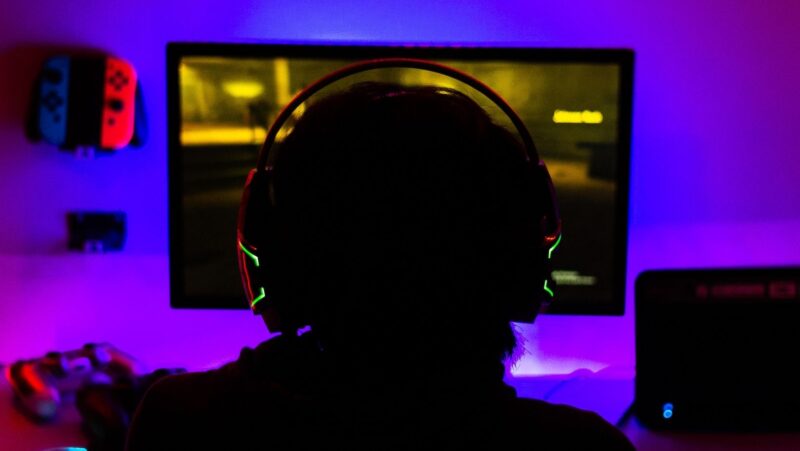
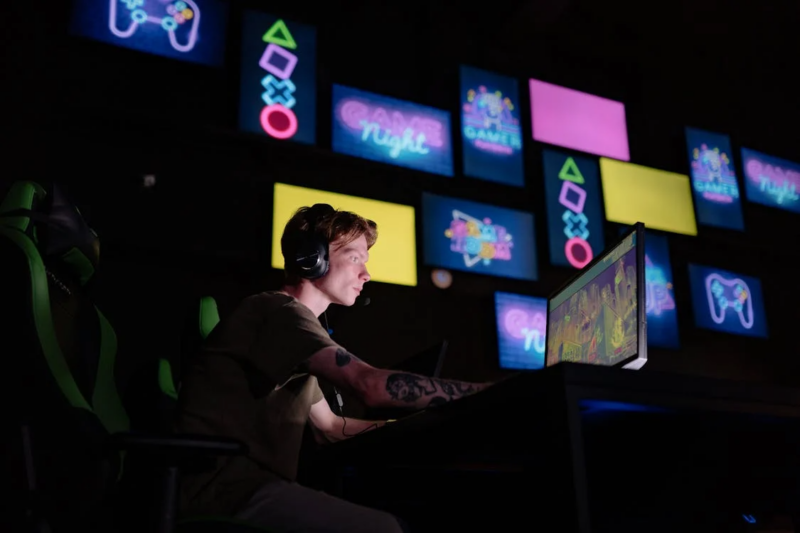
One of the strongest examples of this trend is game streaming. Platforms like Twitch and Discord allow players to broadcast gameplay while interacting with viewers through live chat, voice channels, and on-screen alerts.
Why audiences stay engaged:
- Viewers can influence gameplay decisions
- Streamers respond directly to comments
- Communities form around shared interests
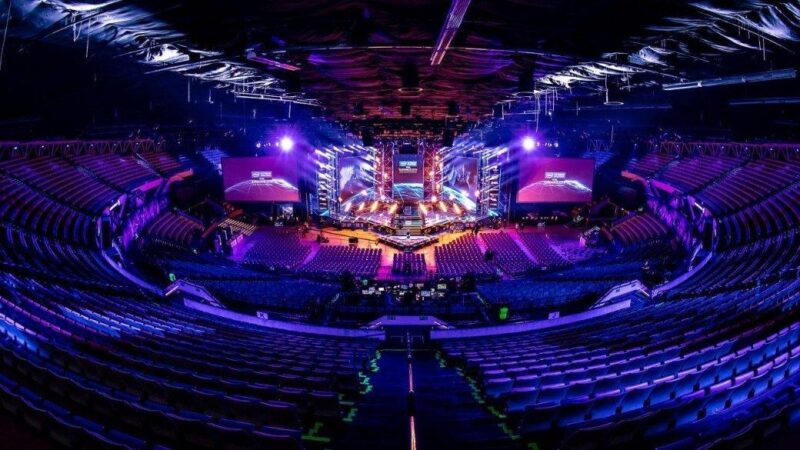
- Live tournaments create event-style excitement
Twitch saw over 7 million monthly unique creators in 2024, maintaining strong engagement with roughly 95,000 to 96,000 average concurrent broadcasters, reported by analytics sites such as TwitchTracker and IconEra.
This shift also appears in Hong Kong online casinos. Many now use live dealers, real-time chat, and interactive tables to recreate the feeling of physical casino floors. Instead of automated systems, players interact with real hosts and other participants, making the experience more social and immersive. While casinos represent only one segment of the market, they reflect the same demand for shared real-time interaction seen across entertainment.
Beyond gaming, real-time engagement now shapes music livestreams, fitness classes, virtual classrooms, and influencer-led shopping streams.
What Technology Powers Real-Time Engagement?

Behind smooth live experiences are combinations of network infrastructure and streaming technology designed to minimize delay and maintain stability for platforms like Minecraft streaming communities. According to industry research from Akamai, even a 2-second delay in live streaming can reduce viewer engagement by up to 6%.
Key technologies include:
- Low-latency streaming to reduce viewing delays
- Edge computing to process data closer to users
- Adaptive streaming protocols that adjust quality automatically
- Cloud hosting to handle traffic spikes
Technologies such as WebRTC and HLS support live video delivery across devices, including mobile networks. This matters during large-scale events such as esports finals or viral livestreams, where millions of viewers connect simultaneously.
Major U.S. tech companies continue investing in these systems. Amazon supports Twitch with large-scale cloud infrastructure, while Meta develops low-latency video tools to improve Facebook and Instagram LIVE performance.
Challenges and Regulations Facing Live Digital Platforms
The rise of live platforms also brings complex challenges. Real-time environments make content moderation more difficult, as harmful behavior, abuse, or misinformation can spread before it is detected. Platforms must balance open participation with systems that flag or limit inappropriate content quickly. Live chat spaces, in particular, require tools to manage harassment and spam without disrupting genuine conversation.
Data privacy is another major concern. Live platforms collect behavioral data to personalize content and improve performance. At the same time, users and regulators expect clearer rules about how this data is stored and used.
In the United States, agencies such as the FTC continue expanding guidance on platform responsibility, advertising transparency, and youth protection. These efforts aim to support innovation while improving user safety and accountability.
When Will Real-Time Platforms Shape the Future of Entertainment?
Real-time features now represent a major investment focus across the digital industry. Improvements in 5G connectivity, lower-latency networks, and emerging tools such as virtual reality and augmented reality will likely deepen immersion.
For example, live virtual concerts hosted inside gaming platforms like Fortnite have already attracted millions of simultaneous viewers, showing how interactive events can rival traditional broadcasts.
However, real-time formats will not fully replace on-demand media. Instead, they will exist alongside movies, series, and recorded content. Together, they form a broader entertainment ecosystem where users can choose between watching, interacting, or actively participating.