
Why Lotto and Poker Attract Different Types of Players
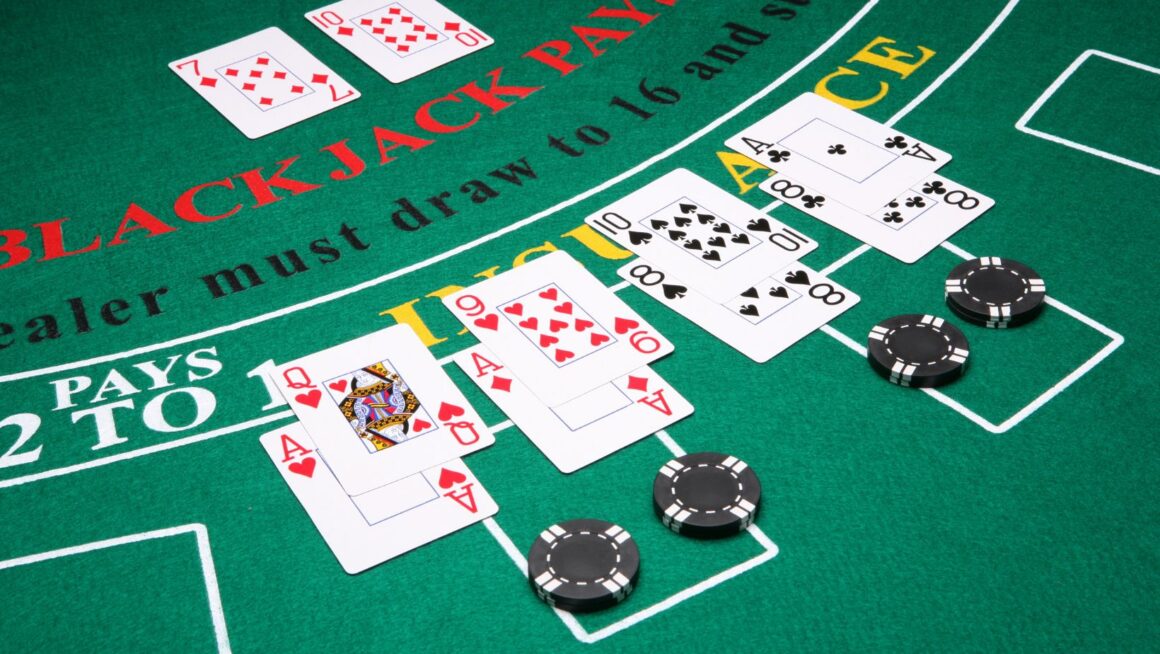
Lotto and poker are often grouped together because both types of gambling involve games of chance and the staking of money; however, they are played by different types of players. The way each game works shapes who enjoys it and what they like about it. Lotto is built around a simple paid entry system, whereas poker is built on repeated play, risk and decision making.
Many players choose one over the other based on what they want from the experience. Some prefer quick results with no learning curve and others enjoy games where knowledge and judgement affect the outcome. These preferences guide where players may choose to spend their time and money.
How Control Shapes Player Choice
Lotto offers almost no control once a ticket is bought. Numbers are chosen, and the result depends entirely on the draw. This suits players who want a passive experience, as the game does not change based on how often someone plays.
Poker is different because every decision made on each turn involves choices. Players choose when to bet, raise, or fold. Over time, these choices affect the results, even though every hand is ultimately a chance. They feel involved in shaping their outcome, even though risk still plays the biggest role in the game’s outcome.
Time and Commitment
Lotto is a more passive activity because it takes very little time; buying a ticket and checking results only takes a few moments. Draws occur on fixed days, giving players a clear schedule for when each draw will be held. This suits people who want a light form of entertainment with a fixed amount of time spent on each draw.
Poker can usually require longer periods of attention with even short games involving several hands and ongoing focus. Online games can potentially go on for hours, especially in tournaments.
The difference in time which these games can require shapes the audience. Lotto attracts people who want a brief interaction, whilst poker attracts those who enjoy gameplay over longer periods.
Social Experience and Competition
Lotto is mostly a private activity because tickets are bought alone, and results are checked individually. There is no direct competition between players, as each ticket stands on its own during the draw.
Poker is built around competition and the tactics are important. Players sit at the same table and react to each other’s moves. This creates a social setting when played in clubs or even festivals. Lots of players enjoy reading behaviour and adjusting their play in response. The social side of poker attracts people who like interaction and challenge. Lotteries tend to suit players who want an experience on their own or in a less mentally involved way.
Learning and Skill
Lotto does not reward practice or study, as knowing past numbers does not improve future chances; this simplicity is part of its attraction. Players do not need training or strategy to take part; poker rewards learning over time, and players study rules, odds, and patterns of play. Many enjoy the process of improving their ability, which creates a sense of progress that Lotto does not offer.
Regulation and Presentation
Both Lotto and poker operate under strict UK gambling laws; however, they are presented in different ways. Lotto is often linked to national draws and public causes, which gives it a familiar and trusted image despite the big risk that players will lose money when they enter a draw.
Poker is usually associated with online platforms, although lotto online is available, and private operators, and it is marketed as a game of skill and competition. As a result, how players view it is affected, as well as what they expect from it.
Overlapping Interests
Some players enjoy both Lotto and poker for different reasons; it also depends on what players want from different gambling experiences. Understanding the differences between types of gambling helps explain why games have their own distinct audiences. Each game has distinct characteristics of play, even though they both involve risk and uncertainty.


