Kick Could Be One of the Highest Paying Streaming Platforms In 2026
If you’ve been even slightly plugged into streaming culture lately, you’ve probably noticed the same pattern of creators who are trying to earn more without feeling trapped by one platform’s rules, revenue cuts, or discoverability ceiling. Kick recognized this and came up with a new pitch and policy “Earn more on your stream”.
Kick’s idea behind building the biggest streaming platform is simple: build your channel, get into the Partner Program, and stack multiple income lanes (subscription split, per stream partner income, and more) with a model that’s designed to reward the grind. It highlights a 95/5 subscription revenue split, plus “premium payouts for every stream” and guaranteed weekly payments.
So how do you actually become a streamer on Kick, start growing fast, and put yourself in position to qualify for the Partner Program? Let’s break it down.
Why is Kick Pulling Creators Right Now?
Streaming is a weird job. It’s creative, exhausting, and basically requires you to run a tiny media company while also being talented. The biggest pain point for most streamers is the question of “How to make money streaming and turn hours into income without needing millions of views?”.
Kick’s answer is monetization that’s friendlier to creators.
The most famous example is the subscription split. Kick has been widely reported as paying creators 95% of subscription income while keeping 5%, and also letting creators keep 100% of tips, which is a sharp contrast to the traditional splits creators got used to elsewhere.
An even bigger pull is the Partner Program. It’s built around earning revenue per stream, not just waiting for ad rev to show up one day. Kick’s own help center describes the Kick Partner Program as a step after verification that “allows streamers to earn revenue per stream”.
Creators look at Kick and think: “If I’m already streaming 40 hours a month, why shouldn’t that effort pay me more directly?”
An Easy Way to Start Streaming on Kick
Kick is not complicated to start with. The only part that could be tricky is doing it consistently enough to grow. Here’s how to kickstart your career as a streamer.
Create your Kick account, set up your channel profile, and make sure it looks like a real creator page and not a blank profile that screams “I’ll stream only once and disappear”. Then you connect your streaming software (OBS, Streamlabs, etc.) to Kick using your stream key, pick the category, and go live.
That’s the pragmatic part. The strategy part is deciding what kind of streamer you are going to be on Kick, because “variety streamer” is fine… but “variety streamer with a clear reason to show up” is better. A hook matters. Vibe matters. The schedule matters. People don’t return because your bitrate is perfect. They return because your stream feels like an online community where they feel accepted and cherished.
The whole Kick.com platform is built to suit streamers’ needs, their earnings and community growth.
Treat Your Kick Profile Like a Storefront
Before you worry about overlays, alerts, or fancy transitions, fix the basics: profile photo, banner, bio, and links.
This is important for the growth of the channel because Kick’s Partner Program requirements explicitly include having your channel profile set up properly. They want to see that you’re acting like a creator who’s building a brand, not just running random streams.
A clean bio should answer three questions in one breath: What do you stream? When do you stream? Why should someone care?
If you can’t say that in two sentences, your viewers won’t magically figure it out.
The Kick Partner Program Is the Main Goal for Serious Streamers
Streamers who want to turn Kick into real income, the Partner Program is the milestone. It helps them go from chasing subs to self generating revenue purely from their streams.
To become a part of the Kick Partner Program the platform requires every streamer to fulfill certain criteria, a verified channel, a complete profile, and then performance and community stats like a minimum average of 75 live concurrent viewers in the past 30 days, 30 hours streamed in the past 30 days, 25 active subs, 250 unique chatters, 3 VODs, and at least 250 followers.
The list also tells creators a lot about Kick’s value system. They want consistency (hours + VODs), real community activity (unique chatters), and proof that viewers aren’t just passing through (concurrents + subs).
How to apply to the Kick Partner Program?
Kick’s help center instructions are straightforward: once you’re meeting or exceeding those requirements, you apply by emailing from your associated Kick email address, including your Kick username.
And one important detail: Kick explicitly notes that meeting the requirements doesn’t guarantee acceptance, it makes you eligible to apply. So the goal isn’t just hitting the minimums for one lucky month. The goal is to look like a stable, growing creator.
Pay Breakdown on Kick
Here’s what “earning on Kick” actually means in practice. You’re usually stacking a few different income types:
Subscription money that favors the creator. Kick promotes a 95/5 subscription revenue split, meaning the creator keeps the bigger share.
Tips that don’t get shaved down. A widely repeated part of Kick’s model is that creators keep 100% of tips. This is one of Kick’s significant incentives, alongside the 95/5 sub split.
Partner Program income that rewards streaming itself. Kick frames its Partner Program as a system designed for individual streams with stream revenue combined with the subscription split. Kick’s streamer portal also emphasizes that partners can earn “premium payouts for every stream” with “guaranteed weekly payments”.
The exact calculation can vary over time and isn’t always presented as one fixed “$X per hour forever”.
How is Multistreaming Increasing Your Profits?
Kick has leaned into multistreaming as a growth tool, but it comes with a tradeoff inside the Partner Program.
If you’re multistreaming on other platforms, your payout is reduced by 50% for the multistream duration. So the logic is: multistreaming can help you grow faster across the internet, but Kick reduces Partner Program payout during the time you’re sharing the same live show elsewhere. For streamers who are just building their presence, this could be a good trade off, while some more established creators tend to stay within one platform that gives them the best deal.
The Creators People Associate with Kick
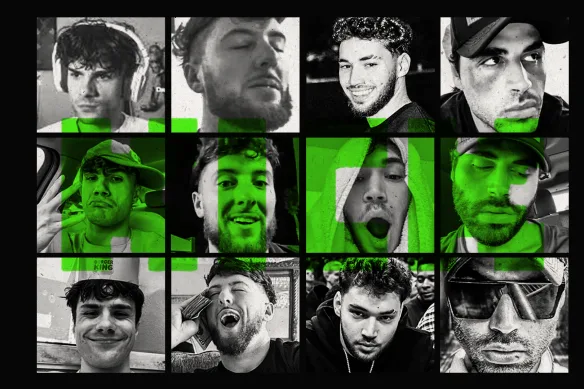
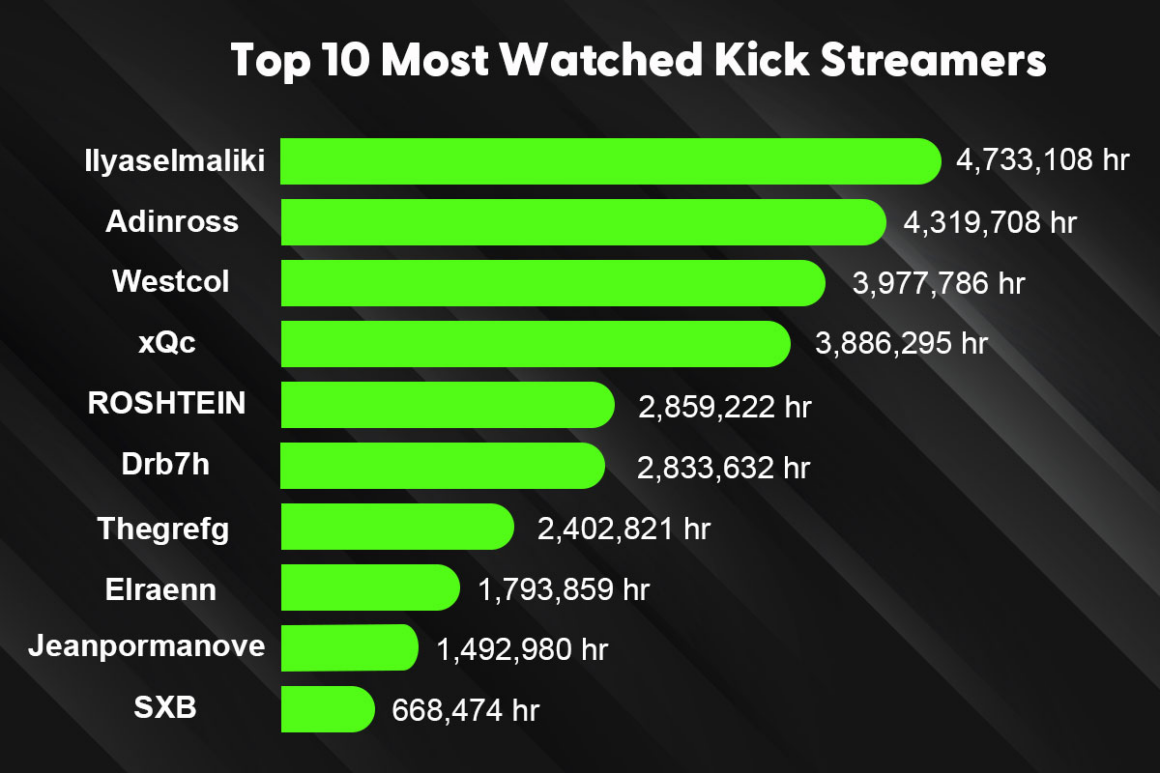
When people talk about Kick, they usually talk about creators first because big names are what makes a platform feel “real” to viewers. On pure follower rankings, Streams Charts lists the biggest Kick channels by followers with names like westcol, adinross, mrstiventc, davooxeneize, sxb, spreen, drb7h, lacobraaa, rraenee, and xqc near the very top.
On the “headline signings” side, major personalities and deals include Trainwreckstv, and signings through 2023 such as Hikaru Nakamura, Adin Ross, BruceDropEmOff, Amouranth, Tfue, and even football journalist Fabrizio Romano. Some creators who stream on other platforms also signed with Kick, including names like xQc, Amouranth, Adin Ross, Trainwreck, Ac7ionman, Destiny, GMHikaru, Buddha, Roshtein, WestCOL, and others.
When creators move platforms, they usually do it for money, freedom, or a mix of both and they often talk about it in a way that’s half serious and half “can you believe this is real?” A small example that captures the vibe is Amouranth, reacting to the wave of giant deals in an announcement style video. She says, “So, 100 million dollar deals have started… Can I get one of those?”
Even if you don’t follow every creator’s move like it’s football transfer season, claims like this tell you what Kick represented to creators in that moment: a big money opportunity, and a feeling that the market was suddenly shifting.
How To Actually Grow Fast Enough to Qualify for Partner Program?
The Partner Program metrics basically give you the blueprint. If Kick wants average concurrents, hours streamed, active subs, and unique chatters, then your strategy should be built to improve those things without burning you out.
Stream enough hours, but don’t stream like a zombie

Kick’s Partner metrics include 30 hours in 30 days.
That sounds easy until you realize you also need your streams to be watchable. Streaming more hours helps, but streaming better hours helps more.
A smart approach is to build three “core shows” each week that your audience can recognize. Think of them like episodes. People don’t show up because you went live, they show up because it’s, for instance, Wednesday night and Wednesday night is your thing. You create something that people would look forward to and make it a habit to tune in for the show.
Build chat culture early because unique chatters matter
“Unique chatters” is one of the Partner Program metrics, which is a clue that Kick cares about real engagement, not just passive viewers.
So you want to engage your audience to talk.
That can be as simple as having a “first 10 minutes” routine where you ask one question every stream. Or a running inside joke you keep alive. Or a daily prediction you review at the end of the stream. Chat isn’t just a side effect of growth on Kick, it’s literally part of the growth checklist and something that people tend to come back to.
Don’t ignore VODs because Kick is tracking them
Kick’s Partner metrics say that creators need three VODs in the past 30 days.
That basically means going live, saving your streams, and treating your archive as part of your channel identity. Viewers who miss a stream should still be able to catch the vibe.
Subs are a relationship, not a sales pitch
Kick’s subscription split is one of its strongest creator friendly features. The most common mistake new streamers make is treating subs like a donation button. People subscribe when they feel like they belong. The best way to “sell” subs is to build community moments that make supporters proud to be part of the channel.
If you want a simple rule: talk about your community more than you talk about money. Subs follow the feeling of belonging.
Multistreaming the smart way on Kick
Multistreaming can be a growth cheat code, especially if you already have an audience elsewhere. Kick allows it, and even provides clear guidance for how to do it, including enabling a multistreaming toggle and even using chat commands like /multi on and /multi off.
But because Partner Program payout can be reduced by 50% during multistreaming, you want to use it strategically.
Multistreaming can help you recruit viewers from other platforms and move them into your Kick community. If you’re looking to increase your bottom line, you might choose to focus on key streams on Kick alone, especially when you expect high turnout, big moments, or heavy supporter activity. The best creators will likely do both.
A realistic Kick growth plan for your first 60 days
If you want to become a streamer on Kick and actually stick, you need a plan that doesn’t rely on motivation.
Your first month is about consistency and identity. Stream on predictable days. Keep the same general category. Clip moments for social. Get people into chat. Make your profile look alive. You’re proving you’re not a temporary account.
Your second month is about improving the metrics Kick cares about. You’re aiming to raise average concurrents, increase chat activity, and convert casual viewers into repeat viewers because those are the numbers that eventually feed the Partner Program requirements.
The Bigger Picture
Kick is trying to position itself as the creator first alternative where the economics feel less punishing and the upside feels more direct. That’s why the platform’s messaging leans hard into payouts, splits, and partner earnings. All of this can be used to boost creators’ confidence and ultimately profits.
Your job is to become the kind of creator that the programs are designed to reward, consistent, engaging, community driven, and easy to recognize. Because once people recognize you, they return. And once they return, you start earning more, making it the focus of your financial and creative freedom.