
Unpredictable Challenger Rosters Could Eliminate Leading Teams from Stage 2
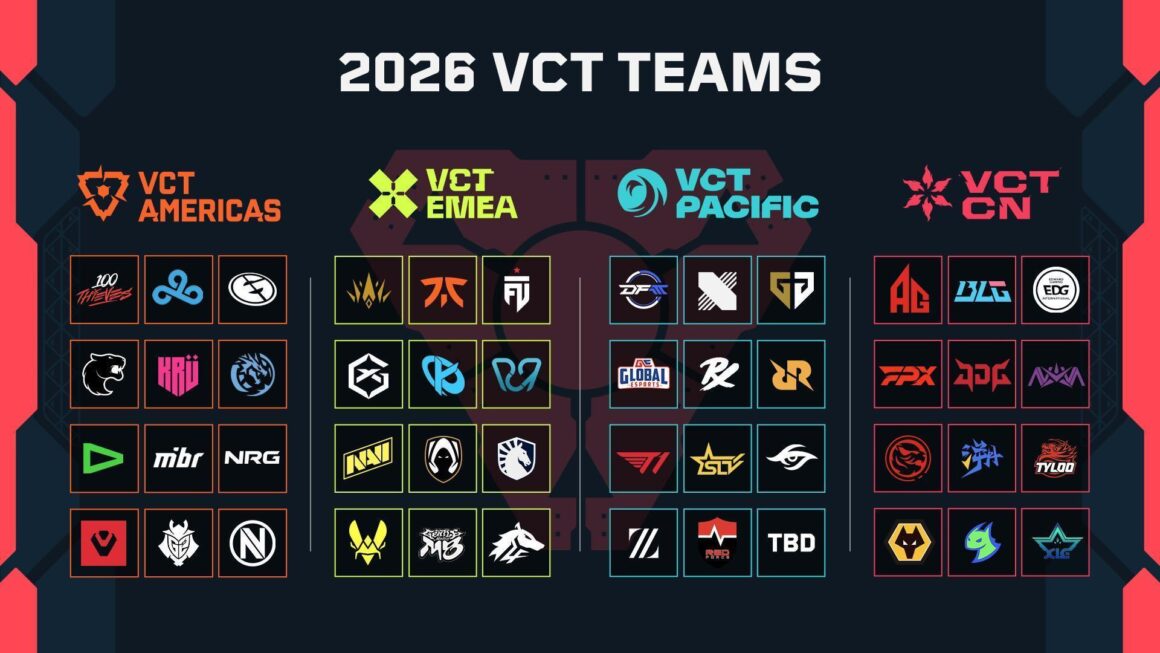
VCT 2026 Stage 2 for VALORANT is set to kick off this July. Teams have completed their qualifiers, and all participants for the tournaments in EMEA, China, the Americas and the Pacific have been confirmed. The EMEA tournament, which will take place from 15 July to 30 August, is attracting particular attention, as many analysts are predicting unexpected results there. Experts are already talking about a shift in the balance of power, which does not appear to be coincidental. Many teams are changing their approach to roster selection, and newcomers are adapting quickly to playing at a professional level. This creates a situation where a big name no longer guarantees victory.
Stage 2 Pressure And The Rise Of Challenger Chemistry
Several Valorant tournaments in 2026 showed that the gap between Tier 1 and Challengers had narrowed significantly compared to previous seasons. In the EMEA and Pacific regional leagues, several teams from the second division appeared to be better organised than some of the franchise teams. A number of young teams, including NAVI Junior and Liquid Academy, also provided a pleasant surprise with their performances.
As the season is in full swing, it is important to keep track of the teams’ positions in the standings, as this will help predict their performances in Stage 2. According to the vct 2026 standings, Leviatan, EDward Gaming, FUT Esports and Paper Rex have the best chances of winning. However, there are also several unexpected teams in the top spots, such as LOUD, XLG Esports and Team Liquid. At present, the difference between the teams in the average ranking is minimal, and this directly affects the competitiveness and closeness of the results in Stage 2.
It is worth noting, in particular, the adaptation of new rosters. Challengers teams do not usually have deep anti-strategy pools, but they compensate for this with aggressive preparation for a specific opponent. According to an analytical report from Liquipedia on Tier-3 tournaments, this season young teams spent significantly less time improving their results, which was made possible by adapting to and emulating the strategies of top-tier teams.
Standings Volatility And The Collapse Of Predictability
Modern esports is a highly dynamic and unpredictable scene. New teams that nobody had predicted have started to emerge at major tournaments in Dota 2, CS2 and Valorant. When you look at the list of teams for VCT 2026: Americas Stage 2, for example, although most of the teams are well-known, this does not guarantee them victory. A few underdogs are creating a fluctuating rankings effect, and everyone is preparing thoroughly for the tournament to show their best form.
To better understand the distribution of power at the professional level, it is worth looking at the previous Valorant Master London 2026 tournament. Special attention should be paid to the Swiss Stage. XLG Esports created a real sensation, played with a score of 2-1, took 4th place, and qualified for the Playoffs. Meanwhile, the star team NRG performed below the expected level, finished poorly, and were eliminated from the tournament.
This is where attention should be paid to a key dynamic of the season: meta instability. New patches, changes to agent economy, and map adjustments have made match preparation less predictable, which in turn benefits the underdogs.
Tactical Disruption From New Rosters And Individual Breakouts
The biggest problem for top teams this season lies not only in the results, but in how exactly they lose. Challenger rosters often play without classic discipline and deviate from usual strategies. These teams have a high level of improvisation and often perform unexpected maneuvers that disrupt the opponents’ prepared setups.
A prime example is Leviatan vs Global Esports at Valorant Masters London. The latter were considered clear underdogs, yet lost 1–2, putting up a good fight on every map – something made possible precisely by their ability to improvise effectively. On the first map of the clash, Global Esports actually stunned their opponents with a 13–4 scoreline.
This illustrates the main problem facing Tier-1 teams: they prepare for ‘proper VALORANT’, but come up against teams that deliberately break the mould. Another contributing factor is that new rosters often include players with experience in CS2 or other disciplines, where the pace of decision-making is significantly faster.
Why Top Tier Organizations Struggle To Adapt Mid-Stage
Tier-1 Valorant teams typically structure their preparation around long cycles of analysis and tactical work. For example, G2, Vitality and Fnatic use weekly training blocks focused on specific maps, which works well against consistent opponents but less so against ‘chaotic’ line-ups.
Although VCT Stage 2 hasn’t started yet, it’s expected that Challengers rosters will take this into account and adopt a more chaotic style of play. The more resourceful teams will play an aggressive push one day, then switch completely to defence the next, playing slowly and from set positions. This flexibility complicates any analytical preparation.
Additionally, it is worth considering the psychological factor. For many new players, this is their first major tournament, and they play without the pressure of expectations. In contrast, Tier-1 teams have strict requirements from their organizations and sponsors, which also affects the level of play. However, the level of individual skills should not be ignored. Players on top teams are far superior, having better mechanical skills, and they catch newcomers on their mistakes. Moreover, Tier-1 rosters have good adaptability, and even if they suffer a defeat in the first match, they can quickly return to the game.
Conclusion
Valorant VCT Stage 2 2026 promises to be one of the major tournaments of the summer season. What’s more, the gap between Tier 1 and Challengers has narrowed, guaranteeing fiercer competition and fewer predictable outcomes. New line-ups aren’t just winning individual maps — they’re systematically disrupting the favourites’ preparation strategies. If this trend continues, the VCT standings could become even tighter, and fans will get to see more new teams in the play-offs of major tournaments. In conclusion, it’s worth noting that victory in VCT Stage 2 will go to the team that can combine adaptability, teamwork and unpredictability.


