Competitive Games Are Becoming More Viewer Friendly
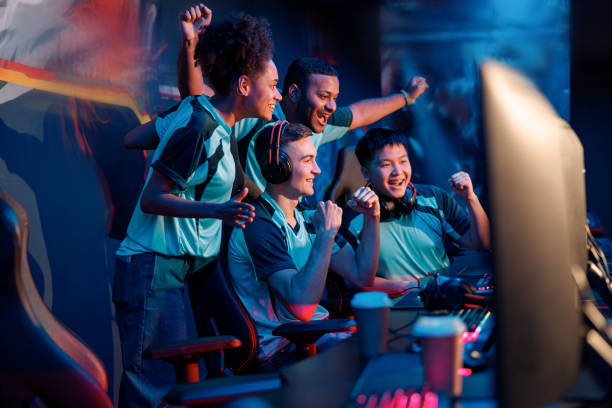
Competitive gaming has grown far beyond the idea of players competing in front of a small niche audience. Today, esports broadcasts, multiplayer tournaments and livestreamed matches are built for spectators as much as players. The best competitive games are not only fun to play, they are also easy to watch, follow and discuss.
This shift is changing how developers, platforms and gaming communities think about design. Viewer-friendly games need clear visuals, understandable stakes and moments that create excitement even for people who are not experts.
Why watching games is now part of gaming culture
Gaming used to be framed mainly as an active hobby. You played the game, improved your skills and competed with friends. Now, watching others play is a major part of the culture. Fans follow streamers, watch tournament finals, react to highlight clips and discuss strategies online.
This has made readability more important. A competitive game may have deep mechanics, but viewers still need to understand what is happening on screen. If the action is too chaotic, casual audiences tune out quickly.
Viewer-friendly games usually have:
- Clear objectives
- Recognisable player roles
- Strong visual contrast
- Easy-to-follow scoring
- Memorable moments that work in short clips
These qualities help games reach beyond hardcore communities and become social entertainment.
Design clarity matters as much as complexity
A competitive game can be highly complex behind the scenes while still appearing clear to viewers. Chess is a classic example. The strategy can be deep, but the board, pieces and objective are easy to understand. Fighting games work in a similar way, where health bars and visible attacks help viewers follow the tension.
Modern esports titles borrow from this principle. They use visual cues, sound effects, colour coding and spectator tools to guide attention. A viewer may not understand every technical detail, but they can usually tell who is winning, who is under pressure and why a key moment matters.
This design logic also appears in casino-style digital entertainment. Players comparing the best online pokies often respond to games that communicate themes, bonus features and progress clearly rather than overwhelming the screen with confusing effects.
The rise of spectator-first features
Developers are now building features specifically for audiences. Replay systems, free-camera tools, minimaps, player outlines and match statistics all help viewers understand the flow of a game.
These features are especially important during livestreams. A commentator can explain strategy, but the visuals still need to support the story. When a viewer instantly understands that a player has made a risky move or pulled off a clutch play, the broadcast becomes more exciting.
Common spectator-first tools include:
- Clean overlays
Scores, timers and player information should be visible without blocking action. - Replay highlights
Important moments can be shown again from better angles. - Colour-coded teams
Viewers can follow sides quickly, even during fast action. - Live statistics
Numbers add context without requiring deep game knowledge. - Camera control
Smooth camera work helps audiences stay focused on the most important part of the match.
These design choices turn gameplay into a clearer viewing experience.
Streamers changed what audiences expect
Livestreaming has had a major influence on game design. Streamers often act as entertainers, teachers and community hosts at the same time. Their audiences want games that create reactions, conversation and memorable moments.
That means games need to support more than technical competition. They need pacing, surprise and emotional rhythm. A match that is too slow may lose viewers, while one that is too visually messy may be hard to understand.
Games that perform well on streams often include:
- Short rounds or clear phases
- Big comeback potential
- Funny or surprising moments
- Simple ways for viewers to understand progress
- Strong personalities or customisation options
The best viewer-friendly games create moments that people want to share after the stream ends.
Competitive design is becoming more inclusive
Viewer-friendly design can also make competitive gaming more welcoming. Not every fan has the time to study patch notes, memorise mechanics or understand advanced strategies. Clearer presentation helps new viewers enjoy the experience sooner.
This does not mean simplifying the game itself. Depth can remain for skilled players. The key is to create layers. Beginners should understand the basic story of the match, while experienced viewers can appreciate deeper tactics.
This layered approach benefits communities. New fans can join conversations without feeling lost, while long-time players still have plenty to analyse.
A well-designed competitive experience should answer three questions quickly:
- What is the goal?
- Who has the advantage?
- Why did that moment matter?
When those answers are clear, a game becomes easier to watch and easier to talk about.
The future of gaming is built for players and spectators
Competitive games are becoming more viewer friendly because gaming itself has become more social. People do not only play games, they watch them, clip them, discuss them and build communities around them.
For developers, this means strong gameplay is only part of the equation. Visual clarity, broadcast tools, pacing and audience understanding all matter. A great competitive game should reward skill while still making the action readable for everyone else.
The next generation of competitive titles will likely be designed with spectators in mind from the beginning. Games that are exciting to play and easy to follow will have the best chance of becoming lasting entertainment worlds.