The Rise of Game-Like Betting Platforms in 2026
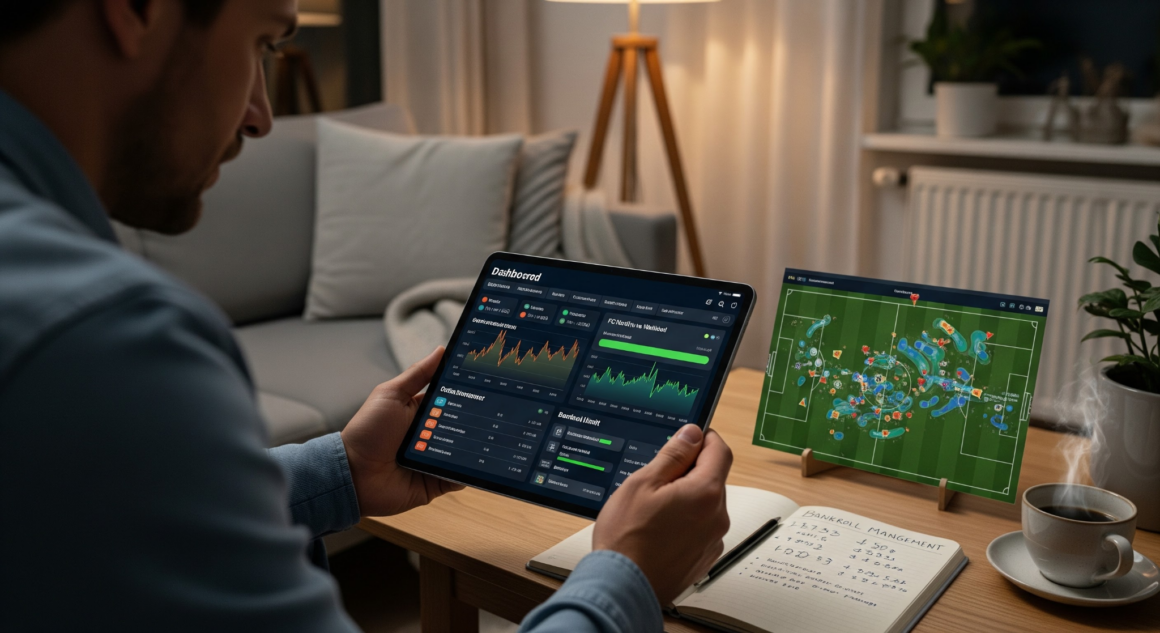
Betting platforms in 2026 look less like static odds boards and more like interactive sports dashboards. The shift is visible in live match centers, personalized bet builders, streak-style missions, real-time notifications, loyalty levels, statistical overlays, and mobile-first UX. For football fans, the product now sits somewhere between a data app, a fantasy sports tool, and an entertainment platform built around live events.
For Finnish sports fans, sports betting is increasingly associated with analyzing match data, tracking odds movements, reading tactical trends, and managing risk rather than relying on quick promises or guaranteed outcomes. Responsible participation involves a bankroll management mindset, setting loss limits, critically evaluating statistics, and accepting that betting is a form of paid entertainment in which the house edge and variance are always present. This connection also helps explain the growth of betting-oriented platforms: fans want access to more information, but a well-designed user interface should never obscure the risks involved.
The Odds Board Became a Match Engine
Traditional pre-match betting used to revolve around three core numbers: home win, draw, away win. Modern platforms now build entire match engines around those markets. A user can follow xG shifts, shot maps, substitutions, player cards, corner pressure, possession phases, cash-out movement, and in-play price changes from the same screen.
That design suits Finnish football followers who closely track tactics, national teams, player careers, and tournament data. It also changes expectations. A platform that shows live odds without context feels thin. A platform that explains why a price moved — red card, injury, tactical pressure, weather, line-up leak — feels more useful.
Gamification Is Not Just Badges
Game-like betting does not only mean bright icons and reward animations. The stronger trend is structure. Platforms use missions, levels, prediction streaks, bet history dashboards, achievement-style trackers, and personalized widgets to keep users engaged between matches.
The best features are practical:
- Live stat panels showing shots, xG, dangerous attacks, cards, corners, and substitutions.
- Bankroll dashboards showing stake size, net result, average odds, and session time.
- Odds movement charts that explain how prices changed before and during a match.
- Responsible gambling tools with deposit limits, time-outs, loss limits, and self-exclusion.
- Market filters that separate main markets, player props, bet builders, and live micro-markets.
- Risk reminders before high-volatility in-play bets or long accumulators.
The weak version turns betting into a loop of taps. The stronger version provides adults with cleaner data and greater control.
Personalization Raises the Compliance Bar
Personalization is now standard across digital entertainment. Betting platforms use it to highlight teams, leagues, bet types, live matches, and offers that match user behavior. That can make the product faster and easier to read. It can also increase risk if the system pushes high-frequency markets too aggressively.
A responsible 2026 platform should personalize safety tools as much as it personalizes content. If a user starts extending sessions, raising stakes after losses, or chasing late-night in-play markets, the platform should slow down the interaction. Cool-off prompts, stake warnings, and clearer bet-history data matter more than another badge.
Why Football Drives the Format
Football remains the ideal sport for game-like betting because it has long live windows and constant tactical signals. A 90-minute match produces waves: pressure, turnovers, cards, VAR checks, substitutions, fatigue, tactical switches, and late-game chaos. That gives platforms enough data points to build interactive experiences without relying only on final-score markets.
| Feature | Fan value | Risk control angle |
| Live match tracker | Makes odds movement easier to understand | Reduces blind in-play decisions |
| Bet builder interface | Lets users combine related match views | Needs clear probability and stake warnings |
| Bankroll dashboard | Shows spending patterns over time | Supports limits and self-monitoring |
| Mission system | Adds structure to engagement | Should avoid pressuring frequent betting |
| Cash-out display | Shows changing position value | Must not imply risk-free control |
The table shows the real tension. Game-like design can make information clearer, but it can also make gambling feel too casual. Product quality depends on where the platform draws that line.
Micro-Markets Need Slower Thinking
In-play betting has pushed platforms toward faster decisions. Next corner, next card, next goal, player shot, throw-in, free-kick pressure — these markets can feel closer to a live game mechanic than a traditional bet. That speed creates the biggest bankroll problem.
A strong platform should make micro-markets readable, not impulsive. It should display settlement rules, market suspension behavior, maximum stake notices, and volatility prompts. It should also avoid dark-pattern design: flashing timers, fake urgency, hidden terms, and unclear cash-out logic.
Regulation Will Shape the Winners
The next phase will not be decided only by app design. Licensing, KYC, AML checks, advertising rules, affordability controls, age verification, and safer gambling systems will decide which platforms can operate with long-term trust. Finland’s regulatory direction matters here because the market is moving toward a licensed model with sharper supervision and player-protection requirements.
That creates a simple test for 2026 platforms. Can they feel modern without becoming manipulative? Can they use data without turning every match event into pressure? Can they make betting understandable while showing limits, risk, house edge, and account controls clearly?
The Better Platforms Will Feel More Analytical
The future of game-like betting is not just more animation. It is better information architecture. Football fans want tactical context, clean market grouping, transparent odds movement, accurate live data, visible limits, and fast but stable mobile performance.
The platforms that earn trust will treat 18+ users as adults who need clarity, not noise. They will show the bet, the risk, the rule, the limit, and the data behind the market before the user taps.