
CS2 Skin Trading Tactics for New Players
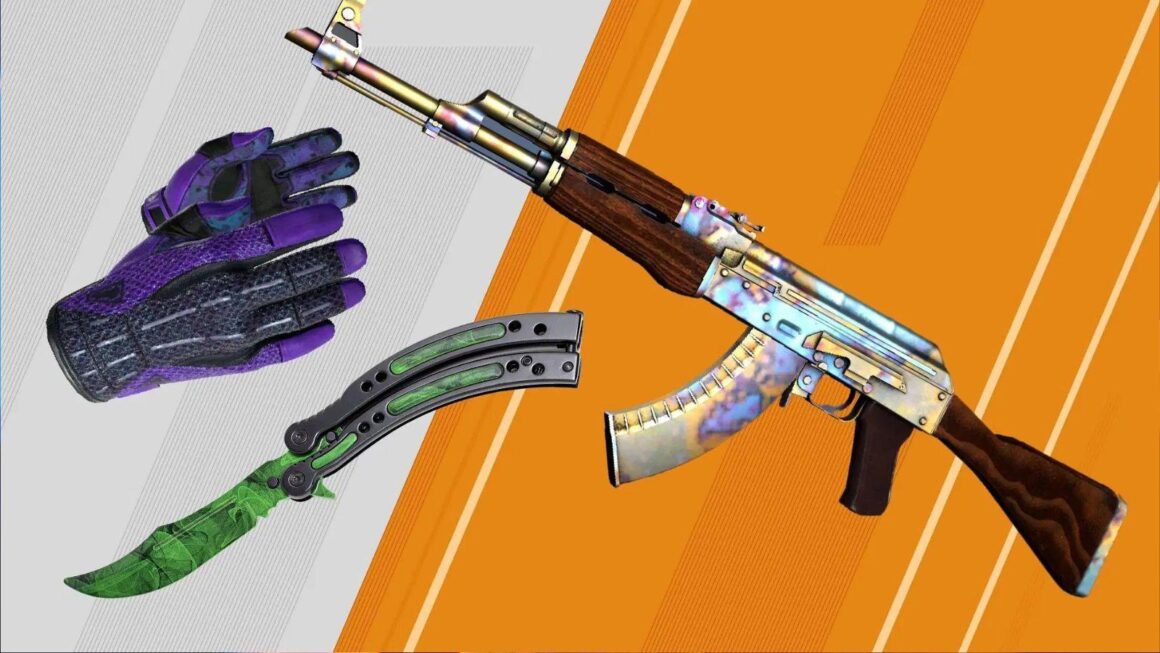
Most new CS2 skin traders lose money in their first six months. The market looks easy from the outside. Buy something, wait, sell for more. The reality is that the people who consistently profit treat it like a part-time job, and the people who treat it like a casino mostly lose.
Here is what newer traders should know before putting real money into the CS2 skin market.
Float values matter more than rarity
Every CS2 skin has a float value between 0 and 1. Lower floats look cleaner. Two skins of the same name and condition can sell for very different amounts based on their float number, sometimes by a factor of three or four.
New traders often ignore this and buy the cheapest version of a skin they like. Six months later they discover they bought a high-float copy that nobody wants to pay a premium for. The price never moves. Reading the float before buying is a 30-second habit that prevents this completely.
Before getting deeper into mechanics, it helps to know where the partner platforms sit in the broader market. EsportNow CS2 skins covers the major third-party trading venues, what each one does well, and which ones to approach with caution. Reading that overview before placing real money saves the kind of mistakes new traders usually make in their first few weeks.
Tournament timing creates predictable swings
Major tournaments push sticker capsule prices up before and during the event. Autograph stickers from players whose teams perform well at the major spike hardest. Liquipedia’s CS2 portal has the full tournament calendar, which lets you anticipate when capsule demand will rise. The pattern is consistent enough to plan around.
Buying capsules a few weeks before a major and selling during the event is one of the more reliable trading patterns. The risk is that you guess wrong about which players will outperform, but the broader category usually moves up regardless.
Avoid emotional buying
The single biggest mistake new traders make is buying skins they think are cool and hoping the price goes up. The market does not care what you think is cool. Demand sets the price, and demand is set by what other people buy.
If you want a skin to keep, buy it and accept it as a personal item, not an investment. If you are buying for resale, ignore your taste entirely and look at recent sale velocity, sticker capsule trends, and whether the item is part of a retired collection.
The third-party marketplace question
Steam takes a 15% fee on transactions and limits cashing out, which is why serious traders use third-party platforms. Steam Workshop’s official documentation covers the in-platform mechanics, but the external trading ecosystem operates outside Valve’s direct oversight.
These third-party sites vary wildly in trustworthiness. Some are publicly traded entities with full compliance teams. Others are anonymous offshore operations with histories of payment disputes. Anyone moving real money around the CS2 skin economy needs to research whichever platform they pick. The space has matured since 2018, but the safety floor is still uneven.
Patience beats every other tactic
Most beginner mistakes come from impatience. Buying because something is hot. Selling because something dropped a little. Trying to flip an item the same week you bought it. The traders who quietly do well over years buy items they would happily hold for two or three years and rarely make impulsive moves.
This is the same pattern that shows up in any speculative market. The CS2 skin space is volatile, but it is not random. Long holds on items with proven demand outperform fast flips for almost everyone except a handful of full-time traders with information advantages most casual participants will never have.
Setting realistic expectations
The traders who make a living from CS2 skins are rare. Most successful collectors are people who set a budget, treat trading as a long-game hobby, and consider 5 to 15% annual returns a good outcome. That is roughly what an index fund returns on average, with significantly more variance and effort.
If you go in expecting that, you will probably enjoy the hobby. If you go in expecting to double your money in a month, you will join the long list of new traders who quit after losing their first few hundred dollars. Treat skins as a slow market, watch the patterns for a season before committing real money, and accept that you will lose some trades. Anyone who tells you otherwise is selling you something.
Where most beginners stall
The traders who stall out usually do so because they treat early losses as a sign the market is rigged rather than a sign their approach needs work. The ones who stick around past the first few months are the ones who treat the early losses as tuition. They review their trades, identify patterns in what went wrong, and adjust. The market rewards that kind of self-correction more than it rewards being right early.


