From Pubs To Platforms: The Digital Evolution Of Australia’s Pokies Economy
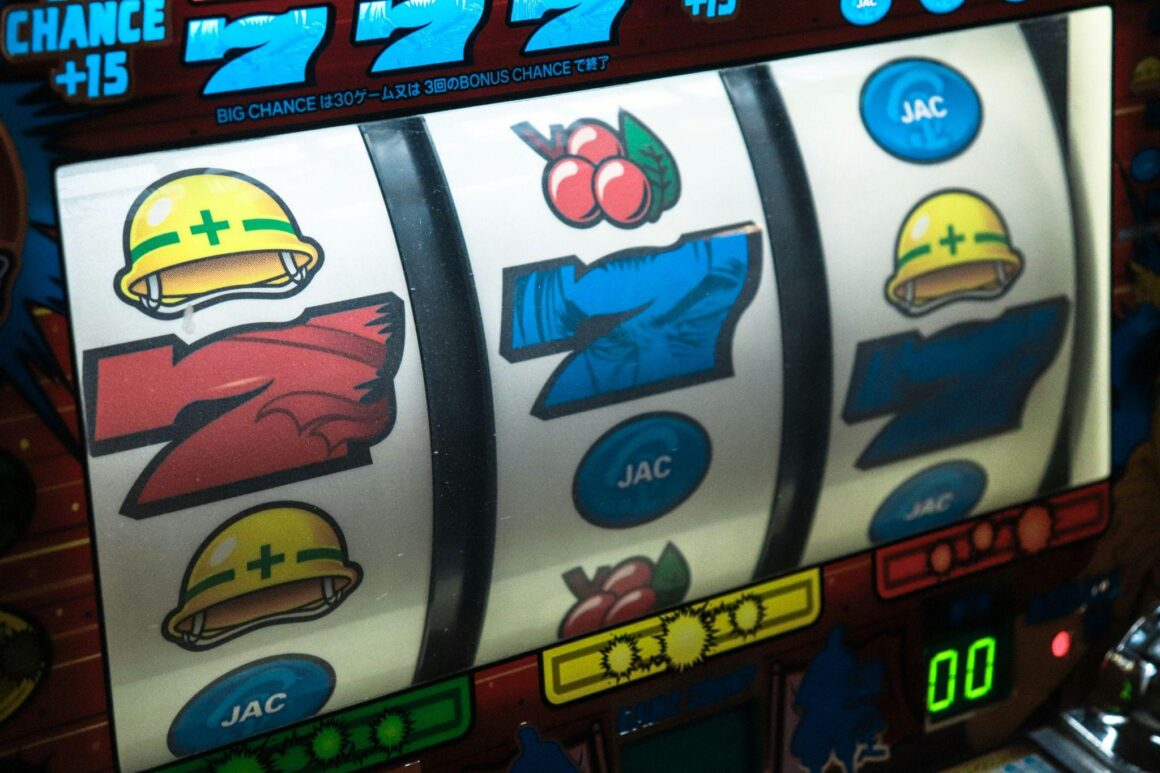
Step into almost any suburban pub in Australia, and chances are you’ll hear it, the familiar chime of poker machines, or “pokies,” as they’re locally known. Years go by, yet these devices do far more than spark amusement. Found nearly everywhere locals gather, they quietly fuel income streams most overlook. In Australia, betting habits rank among the globe’s most active – think beyond casinos. Picture well above 180,000 digital game units scattered across pubs and clubs. Now shrink that down: about one machine per 150 residents.
But something subtle and significant has been happening. The pokies economy is slipping its physical skin and reappearing online, changing player expectations. It’s less about coins in a tray now and more about clicks, data, and algorithms humming quietly in the background.
The pub era: coins, culture, and community
Pokies once filled the back rooms of clubs long before screens took over. Most pubs leaned on these machines, their earnings pulling weight – often covering well over fifty percent of what those places made. Money flowed where the lights blinked loudest.
On one hand, pokies funded local sports teams and even infrastructure upgrades. On the other hand, they’ve also been part of a large-scale entertainment economy, with Australians spending billions annually across gambling sectors. Still, the physical machine had a certain rhythm. Insert money, press a button, wait. Repeat. It was tactile and oddly comforting. And then, well, the internet arrived.
The shift online: convenience meets complexity
The rise of smartphones and high-speed internet didn’t just change how people communicate; it quietly transformed gambling. Online pokies platforms began offering what pubs couldn’t: 24/7 access, hundreds of game variations, and, yes, anonymity.
Australia’s online gambling market has expanded rapidly, with estimates suggesting billions in annual turnover. While regulations restrict locally licensed online pokies, offshore platforms have filled the gap, attracting players searching for the best pokies online Australia has to offer. The digital format allows for far more than spinning reels. Somewhere along this transition, another shift took place, quieter, but just as telling. The player stopped being just a visitor and became a user. That difference sounds small, yet it changes everything. In a pub, the experience had limits: opening hours, physical presence, and even the mood of the room. Online, those boundaries fade. Sessions stretch, interfaces evolve, and the environment adjusts in real time. Come to think of it, the pace feels different, too. Faster, smoother, less interrupted. Payments happen instantly, game libraries expand endlessly, and new formats appear without the need to replace a single machine on a floor. Seconds pass, then choices appear – swap a game, adjust settings, dive into new styles without delay. Meanwhile, everything bends more easily: creators tweak nonstop, systems refresh behind the scenes, what’s hot today fades by tomorrow. Hardware used to rule, but now lines of code run things instead. Turns out, logic beats metal every time.
Algorithms and personalization: enter AI
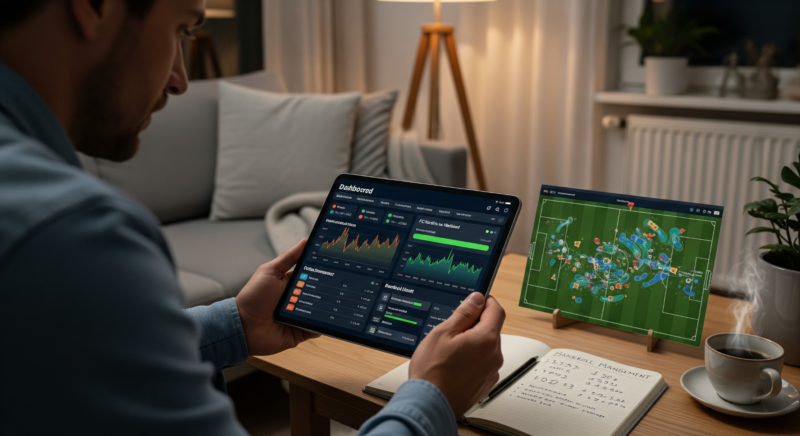
Online platforms don’t just host games; they analyze player preferences to improve usability and entertainment value. Artificial intelligence quietly powers much of this ecosystem. From recommending games to adjusting difficulty curves, AI systems help tailor the experience and adapt gameplay to make it more engaging and personalized.
Oddly enough, today’s systems do more than old models ever could – they learn what players like, adjusting on their own. Ethics slip into view. Rules feel shaky. Where does customization cross a line? Yet one thing stands clear – the jump from gears and levers feels almost unreal now.
Design as experience: the role of art
If old pokies were functional, digital ones are expressive. Bright visuals, immersive soundtracks, themed narratives, these aren’t just games; they’re designed experiences. Game developers now collaborate with illustrators and designers to craft environments that feel almost cinematic. The influence of art is unmistakable, turning simple spins into mini adventures.
It’s not just aesthetics, either. Visual cues guide behavior, reward anticipation, and even emotional response. A flashing light here, a celebratory animation there, it all adds up.
Regulation and responsibility: a moving target
Change moves fast when rules shift. Australia’s watchdogs now demand clearer ads and honest money reporting. Still, digital platforms keep changing – particularly those beyond borders – matching step for step with fresh ways to monitor them.
- Deposit limits and spending controls are being introduced on some platforms
- Self-exclusion tools and clearer disclosure of odds are becoming more common
There’s a growing focus on enhancing player protection tools and transparency across platforms. Some platforms are responding.
Conclusion
One step at a time, those clunky machines under dim lights moved online. Not only did screens replace levers, but patterns started shaping behavior behind the scenes. Perhaps what matters most hides between clicks and credits. The pokies economy didn’t disappear; it adapted. It moved, quietly, from clinking coins to silent code. From community halls to personal screens. Where does it go next? That’s still spinning.